- Gianluca Zambrotta had the opportunity to join Real Madrid in 2006 following the Calciopoli scandal.
- Fabio Capello personally reached out to recruit Zambrotta to the Santiago Bernabéu.
- The Italian defender chose Barcelona because of the club's prestigious project and football philosophy.
- Zambrotta played 58 matches for Barcelona, contributing to their defensive stability during the mid-2000s.
Gianluca Zambrotta Reflects on Choosing Barcelona Over Real Madrid in 2006
The Italian legend reveals how a call from Fabio Capello nearly changed the course of La Liga history.
Jul 6, 2026·0 views
Key Takeaways
In the high-stakes world of European football, few decisions carry as much weight as choosing between the two titans of Spain: FC Barcelona and Real Madrid. For Italian defensive legend Gianluca Zambrotta, the summer of 2006 was not just a period of professional transition; it was a defining crossroads that would shape the trajectory of his career and influence the competitive landscape of La Liga for years to come.
Zambrotta, a versatile full-back known for his tactical intelligence and tireless work rate, had just tasted glory with Italy at the 2006 FIFA World Cup. Following the devastating Calciopoli scandal that saw Juventus relegated, the world’s elite clubs were scrambling to secure the services of the Bianconeri’s star players. Among the most sought-after was Zambrotta, who found himself at the center of a tug-of-war between the two biggest clubs in Spain.
During a recent retrospective on his career, Zambrotta revealed that the lure of Real Madrid was significant, primarily due to the influence of his former Juventus manager, Fabio Capello. Capello, who had taken the reins at the Santiago Bernabéu, was determined to rebuild Los Blancos and viewed Zambrotta as a cornerstone of his new defensive structure.
"Capello wanted me to join him at Real Madrid," Zambrotta admitted. The relationship between the coach and the player was well-established, rooted in their successful tenure together in Turin. Capello’s reputation as a strict disciplinarian and a serial winner made the prospect of moving to the Spanish capital an enticing one for any professional footballer.
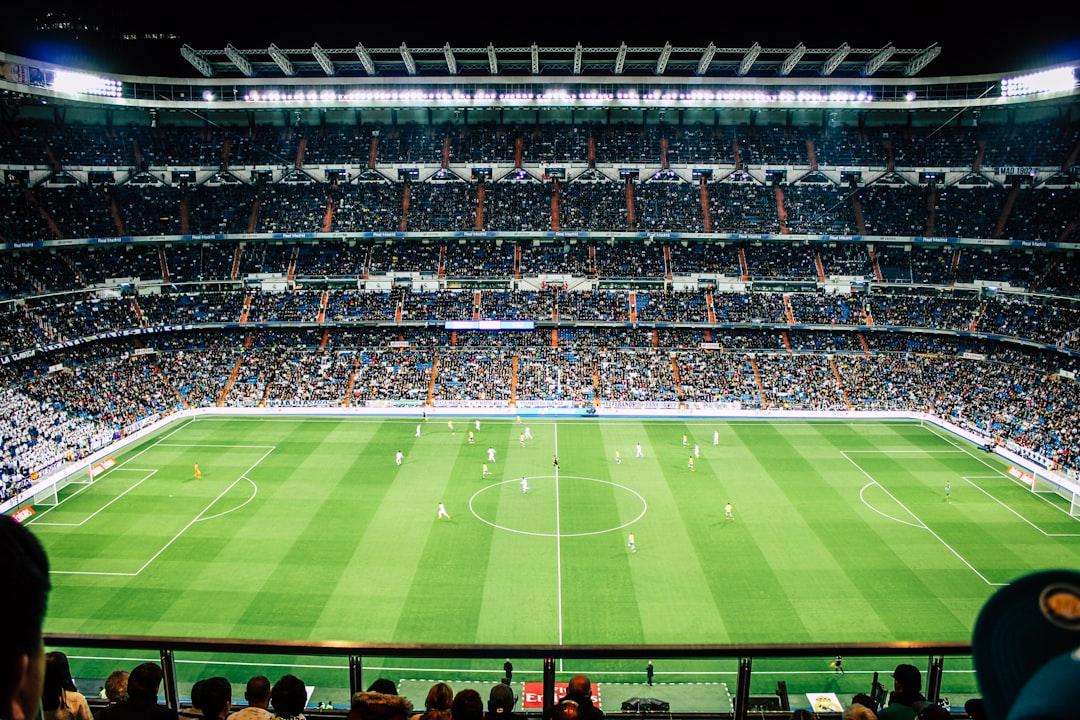
However, the allure of the Camp Nou proved to be stronger. Despite the personal connection to Capello, Zambrotta felt that the project being built in Barcelona—a side fresh off a Champions League triumph—offered a unique challenge that he simply could not refuse.
Choosing Barcelona was a decision guided by both sporting ambition and a desire to experience a different style of football. At the time, Barcelona was synonymous with a brand of aesthetic, attacking football that defined the era under Frank Rijkaard. Playing alongside icons like Ronaldinho, Samuel Eto’o, and a young Lionel Messi was an opportunity that few players in world football could turn down.
For Zambrotta, the transition from the rigid, defensive-minded tactics often favored by Italian managers to the expansive, possession-based philosophy of Barcelona was a professional evolution. He joined a squad that was looking to solidify its dominance in Europe, and his arrival was viewed as a major coup for the Catalan club.
During his two-year spell at Barcelona, Zambrotta made 58 appearances for the club. While his time in Spain did not result in the league titles he might have hoped for, his contribution to the squad remained vital. He navigated the defensive transitions of the late 2000s, providing stability on the flanks and proving his worth against the highest caliber of opposition.
His decision to reject Real Madrid remains a fascinating "what if" scenario for football historians. Had he joined Capello in Madrid, the defensive configuration of that team would have looked vastly different, potentially altering the outcome of several domestic campaigns. Instead, Zambrotta etched his name into the history books of one of the world’s most iconic clubs, cementing his legacy as a player who prioritized the project over the familiarity of a former coach.
Today, Gianluca Zambrotta remains a respected figure in the world of football, often serving as an ambassador for the sport. His willingness to speak candidly about his past decisions provides fans with a rare glimpse into the complex negotiations that happen behind the scenes. It serves as a reminder that even at the highest level of professional sports, the relationships between players and managers are constantly balanced against the grander ambitions of club culture and long-term legacy.
As modern football continues to evolve, the story of Zambrotta’s 2006 decision serves as a timeless example of how individual choices can ripple through history, reminding us that the beautiful game is defined just as much by the players who choose to stay or move, as it is by the trophies they eventually lift.
Enjoying this article?
Get the daily AI briefing sent straight to your inbox.
Frequently Asked Questions
Did Gianluca Zambrotta almost play for Real Madrid?
Yes, in 2006, Fabio Capello attempted to sign Zambrotta for Real Madrid, but the player ultimately chose to sign with FC Barcelona.
Why did Zambrotta leave Juventus in 2006?
Zambrotta departed Juventus following the club's relegation due to the Calciopoli scandal.
Comments
0Please sign in to leave a comment.
Related articles
Ederson's Man Utd Move Stalls: Medical Hold-Up Sparks Transfer Speculation
Manchester United's acquisition of Brazilian midfielder Ederson from Atalanta is on hold pending the completion of a second phase of medical tests. The club is reportedly prioritizing a thorough assessment of the player's fitness before finalizing the deal.
Nottingham Forest Appoint Oliver Glasner: A New Era at the City Ground
Nottingham Forest has officially appointed former Crystal Palace manager Oliver Glasner, signaling a bold shift in the club's long-term sporting strategy.
Borussia Mönchengladbach Joins Celtic in High-Stakes Race for Tjark Ernst
Bundesliga side Borussia Mönchengladbach is the latest club to enter the pursuit of Hertha Berlin goalkeeper Tjark Ernst, challenging Celtic and Feyenoord.