- Renewed conflict in Iran is highlighting the risks of global oil dependence.
- Proposals for tolls in the Strait of Hormuz are accelerating discussions around energy security.
- Electric vehicles are increasingly viewed as a tool for national autonomy rather than just an environmental choice.
- Investors are pivoting toward green tech to avoid volatility in fossil fuel markets.
Geopolitical Volatility and the EV Surge: Is the Oil Era Finally Ending?
As tensions rise in the Strait of Hormuz, global markets are rethinking energy independence through rapid electrification.
Jul 14, 2026·0 views

Key Takeaways
The global landscape is currently grappling with a sharp escalation in tensions following reports of renewed military strikes involving Iran. As Donald Trump and his administration take an assertive stance in the Middle East, the immediate ripple effects are being felt across global energy markets. For policymakers and energy analysts, these events serve as a stark reminder of the inherent vulnerabilities associated with fossil fuel dependence.
At the center of this discourse is the Strait of Hormuz, a critical maritime chokepoint that facilitates a significant portion of the world’s oil supply. Recent discussions regarding the potential for the United States to exercise greater control over this corridor—including speculative proposals for a 20% transit toll—have sent shockwaves through energy trading desks. While these proposals remain in the realm of geopolitical maneuvering, they have reignited a fundamental debate: can the world afford to remain tethered to volatile oil markets?
For years, the electric vehicle (EV) transition was framed primarily through the lens of environmental preservation and climate change mitigation. However, in light of the current military actions and the potential for a localized supply chain crisis, the narrative is shifting toward national security.
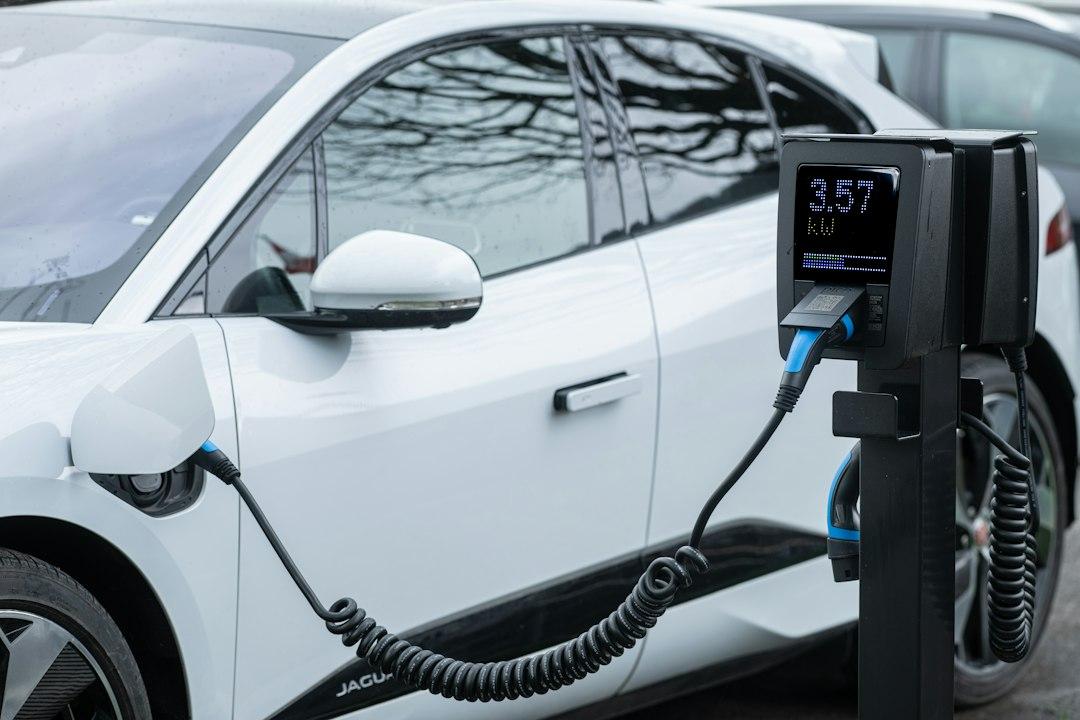
Electric vehicles are increasingly being viewed as a strategic hedge against the volatility of international petroleum prices. By transitioning to a domestic electricity-based transport grid, nations can decouple their mobility needs from the unpredictable nature of oil-producing regions. Key benefits of this shift include:
- Energy Autonomy: Reducing reliance on imported crude oil, which is subject to geopolitical manipulation.
- Grid Stability: Integrating renewable energy sources like wind and solar to power the national transport fleet.
- Economic Insulation: Protecting domestic consumers from the price spikes that typically follow military escalations in the Middle East.
Despite the clear security benefits, the transition is not without its hurdles. Critics argue that the EV market faces significant infrastructure challenges, including the need for a more robust charging network and the stabilization of battery supply chains. Nevertheless, the recent geopolitical turmoil is acting as a catalyst for investment.
Institutional investors are beginning to pivot away from oil-heavy portfolios, favoring companies that contribute to the electrification ecosystem. As global energy prices flirt with instability, the cost-benefit analysis for the average consumer is also changing. The total cost of ownership for EVs is becoming increasingly competitive, especially when compared to the potential for sustained high fuel prices triggered by conflict.
Looking ahead, the intersection of technology and geopolitics will likely define the remainder of the decade. The 'Hormuz Toll' rhetoric, whether implemented or not, has successfully highlighted the precarious nature of the status quo. It is expected that major economies will accelerate their transition to green energy, not just as a matter of policy, but as an essential component of their defense strategies.
As we navigate these troubled waters, the technological shift toward electric mobility appears more inevitable than ever. The resilience of a nation’s economy may soon be measured by its ability to generate its own power and move its citizens without relying on the stability of a single, highly contested maritime strait. The EV revolution is no longer just a trend; it is becoming a cornerstone of future geopolitical stability.
Enjoying this article?
Get the daily AI briefing sent straight to your inbox.
Frequently Asked Questions
How does the conflict in the Strait of Hormuz impact EV sales?
Geopolitical conflict in this region often leads to oil price volatility, which increases the total cost of ownership for gas-powered vehicles, making EVs a more attractive, stable alternative for consumers.
Is the EV transition primarily driven by policy or security?
While environmental policy was the primary driver for years, recent global instability has shifted the focus toward national energy security and autonomy.
Comments
0Please sign in to leave a comment.
Related articles
Priority Bicycles Unveils E-Sauce: The Electric Evolution of a Cult Classic
Priority Bicycles has officially electrified its playful Sauce model, introducing the E-Sauce to bridge the gap between simple urban commuting and high-performance e-biking.
Tesla Driver Asleep at Wheel in Crash Involving California Highway Patrol
Federal regulators and local authorities are investigating a serious Tesla collision in Fairfield, California, after a driver admitted to sleeping with FSD engaged.

Volkswagen Expands ID. Cross Lineup with New 37 kWh Battery Option
Volkswagen has introduced a new 37 kWh battery option for the ID. Cross, aiming to lower the entry price point for city-focused electric vehicle buyers.