France's aspirations for World Cup glory were abruptly halted following a decisive 2-0 defeat to Spain, a result that has plunged the nation's footballing landscape into a period of intense reflection and criticism. The immediate aftermath has seen French media outlets dissecting every aspect of the team's performance, with the prestigious sports daily L'Equipe delivering a particularly stinging verdict through its notoriously unforgiving player ratings.
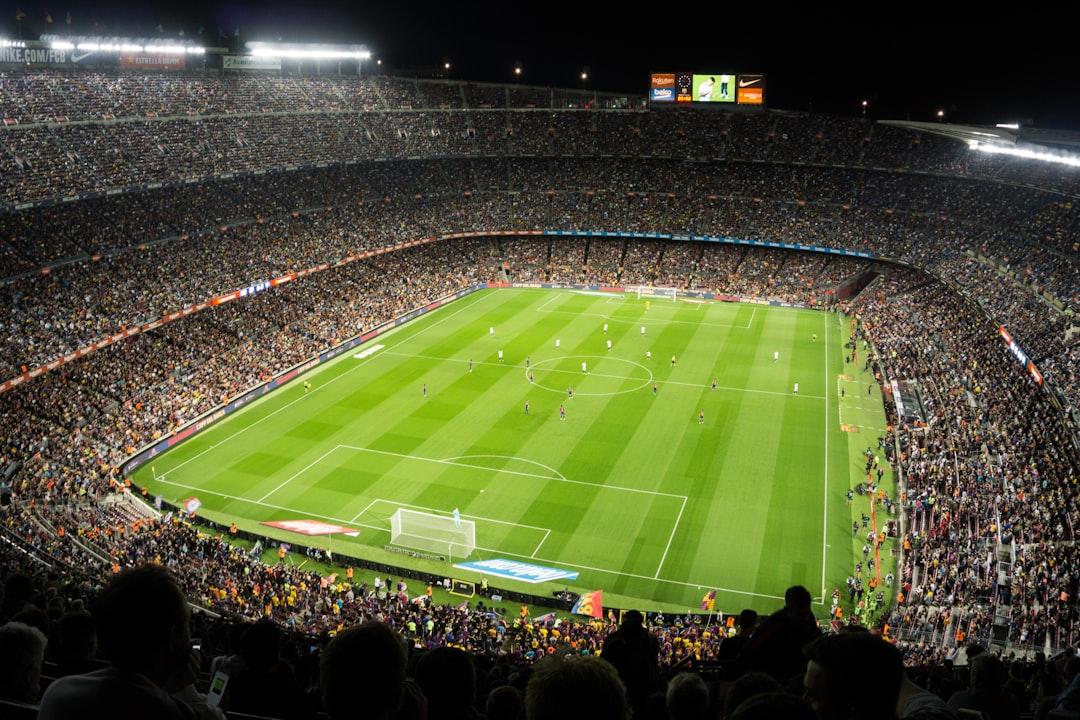
The match against Spain, widely anticipated as a clash of titans, ultimately unfolded as a stark demonstration of French struggles. From the outset, Spain asserted control, dictating the tempo with their characteristic possession-based football. France, often lauded for its robust defense and explosive attacking talent, appeared disjointed and lacked the cohesion necessary to counter the Spanish onslaught. Early errors in midfield disrupted France's ability to build attacks, leading to prolonged periods of defensive pressure.
The opening goal, a clinical finish from Spain's midfield maestro in the 28th minute, exposed defensive vulnerabilities that had been uncharacteristic of the French side throughout the tournament. The second half saw little improvement for Les Bleus, with Spain capitalizing on a lapse in concentration from a set-piece in the 65th minute to double their lead. Despite late substitutions aimed at injecting urgency, France failed to mount a significant comeback, registering only a handful of shots on target throughout the ninety minutes. The final whistle confirmed a 2-0 loss, sealing France's premature departure from the global showcase.
For decades, L'Equipe has been the authoritative voice in French sports journalism, renowned for its rigorous analysis and, often, its uncompromising player ratings. Following the defeat to Spain, the newspaper's assessment was nothing short of brutal. Several key players, including those expected to lead the charge, were handed a shocking two-out-of-ten rating – a score rarely seen for professional athletes at this level, reserved typically for performances deemed catastrophic.
The publication's critique extended beyond individual errors, focusing heavily on a perceived lack of collective effort, tactical sterility, and a visible absence of leadership on the pitch. The midfield, often the engine room of French success, was singled out for failing to win battles or provide adequate service to the forwards. Even the usually reliable defensive line, which conceded two goals, faced unprecedented scrutiny. L'Equipe's editorial commentary accompanying the ratings did not mince words, describing the performance as "an abdication of responsibility" and a "collective failure that shames the jersey."
While L'Equipe's ratings captured headlines, other French media outlets echoed similar sentiments, albeit with varying degrees of intensity. Le Parisien lamented the team's "lack of spirit and fight," while Le Figaro questioned the coach's tactical choices and the squad's mental fortitude under pressure. Radio and television pundits engaged in heated debates, analyzing every pass, every substitution, and every missed opportunity.
Social media platforms, too, became a hotbed of discussion, with fans expressing a mix of anger, disappointment, and profound sadness. The expectation for the French national team, particularly after recent successes and the wealth of talent within the squad, is always high. This early exit has, therefore, hit particularly hard, prompting a national conversation about the state of French football, youth development, and the pressure on players representing their country on the world stage.
The World Cup exit carries significant implications for French football. For the national team coach, the pressure to justify tactical decisions and squad selections will be immense. The French Football Federation (FFF) will undoubtedly launch a thorough review of the team's performance, potentially leading to significant changes in personnel or strategy ahead of upcoming qualifying campaigns and future tournaments.
Players, too, will face a period of introspection. The brutal media assessment, particularly from L'Equipe, serves as a stark reminder of the expectations placed upon them. Rebuilding confidence and re-establishing a winning mentality will be crucial. The challenge now lies in learning from this defeat, fostering new talent, and ensuring that the lessons from this World Cup campaign are fully absorbed to prevent a repeat performance in the future. The journey to redemption for Les Bleus begins now, under the watchful and critical eye of a demanding nation and its media.
France has a rich and often tumultuous history in the World Cup, marked by periods of immense success, including two titles (1998, 2018), and moments of profound disappointment. This current exit, while painful, is not entirely unprecedented. Past campaigns have seen strong French sides underperform or crash out unexpectedly, leading to similar media frenzies and calls for reform. The 2002 World Cup, where France exited in the group stage without scoring a goal as reigning champions, serves as a historical parallel for the kind of shock and disappointment currently reverberating across the country. Each such setback has historically prompted a period of reassessment, often laying the groundwork for future resurgence. The current situation, therefore, is seen by many as a critical juncture, demanding not just a reaction, but a strategic re-evaluation of the national team's direction. The path forward will require resilience, strategic planning, and a renewed commitment to excellence to restore the nation's faith in Les Bleus.