- France has reached three consecutive World Cup semi-finals, matching records held by Brazil and Germany.
- Sustained success is attributed to tactical flexibility and a deep pool of world-class talent.
- The achievement cements France's status as a modern football dynasty.
- Eyes are now on the 2026 World Cup to see if this streak can continue.
France Joins Elite World Cup Pantheon After Historic Semi-Final Streak
Les Bleus secure their status among football's greatest dynasties by matching a rare three-tournament semi-final achievement.
Jul 10, 2026·0 views
Key Takeaways
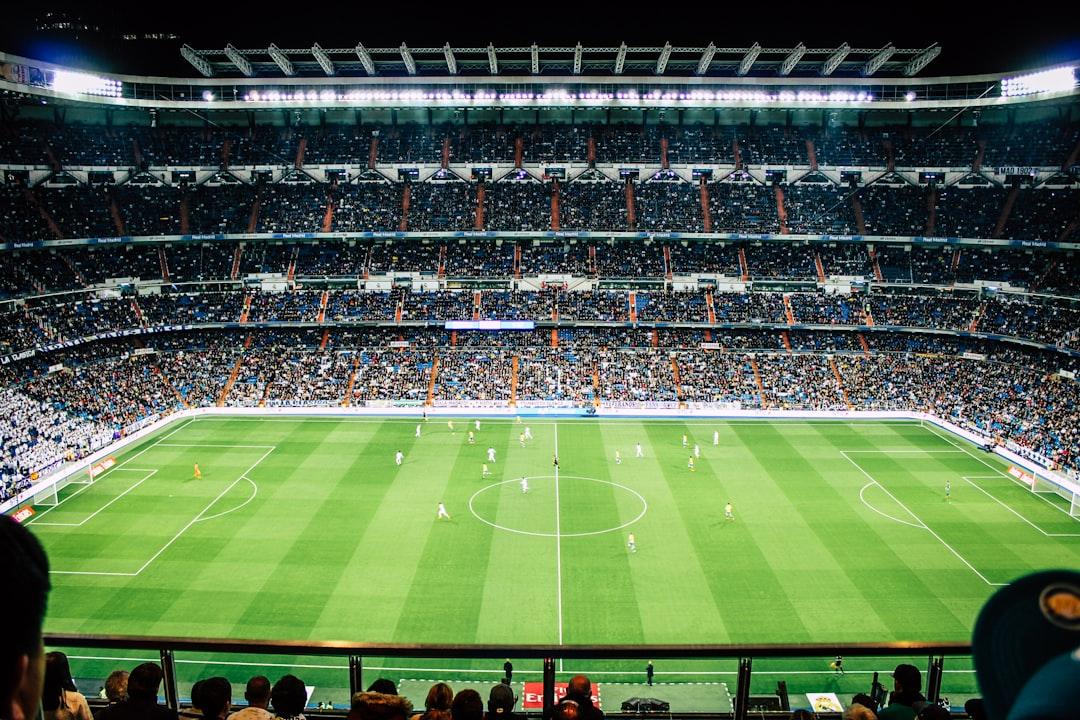
The French national football team, affectionately known as Les Bleus, has officially entered the pantheon of international football greatness. By securing a spot in the semi-finals of the FIFA World Cup for the third consecutive tournament, France has matched a historic record previously held by only two footballing giants: Brazil and Germany.
This achievement is not merely a statistical anomaly; it represents a sustained period of dominance that reflects the depth, tactical intelligence, and sheer talent currently residing within the French football ecosystem. Achieving such consistency in the most grueling tournament in global sports requires more than just luck—it demands a robust youth development program and the ability to adapt to changing tactical landscapes over a decade-long cycle.
To understand the magnitude of this feat, one must look at the historical context. Only two other nations have managed to sustain this level of excellence on the world stage:
- Brazil (1994–2002): The Seleção managed this run during a period defined by the brilliance of Romário, Ronaldo Nazário, and Rivaldo. Their consistency culminated in a trophy lift in 2002.
- Germany (1982–1990): West Germany's golden era was characterized by discipline and tactical rigidity, leading them to multiple finals and a championship victory during that span.
France’s current trajectory, beginning with their success in 2018 and continuing through their recent campaigns, mirrors the resilience of these legendary squads. While the roster has evolved, the core philosophy of Les Bleus—combining athletic physicality with technical flair—has remained a constant threat to any opponent.
In modern football, where parity is at an all-time high and international squads have less time to train together than ever before, maintaining a high level of performance is increasingly difficult. France’s ability to navigate the group stages, the knockout bracket, and the immense psychological pressure of the World Cup environment is a testament to the managerial stability provided by the coaching staff.
One of the primary reasons for France’s sustained success is their tactical flexibility. Unlike teams that rely on a single system, France has proven capable of shifting between high-press attacking football and a more conservative, counter-attacking approach depending on the opponent. This adaptability ensures that they remain difficult to scout and even harder to break down when the stakes are at their highest.
Perhaps the most significant factor in France’s rise is the sheer volume of world-class players available for selection. The French youth academy system, particularly Clairefontaine, continues to produce players who are technically proficient from a young age. This deep pool of talent allows the national team to replace aging stars with emerging prospects without suffering a drop in quality.
As the world turns its eyes toward the 2026 FIFA World Cup, the question remains whether France can break their own record by reaching a fourth consecutive semi-final. With the tournament expanding to include more teams and a new format, the challenges will be greater than ever. However, if history is any indication, Les Bleus are not merely participants; they are the standard-bearers for international excellence.
Fans and analysts alike are already dissecting the potential squad compositions for the next cycle. The blend of veteran leadership and young, hungry talent suggests that the French dynasty is far from over. Whether they can convert these semi-final appearances into more silverware remains the ultimate test, but for now, their place among the all-time greats is secure.
Enjoying this article?
Get the daily AI briefing sent straight to your inbox.
Frequently Asked Questions
Which teams have reached three consecutive World Cup semi-finals?
Brazil (1994-2002), Germany (1982-1990), and now France have achieved this historic feat.
What makes France's current football team so successful?
France's success is driven by a combination of tactical adaptability, deep youth development systems, and a consistent ability to perform under high-pressure tournament conditions.
Comments
0Please sign in to leave a comment.
Related articles
Eli Kroupi's Agent Addresses Barcelona Transfer Rumors
While rumors swirl about Eli Junior Kroupi's potential transfer to Barcelona, his agent has stated that no final decision has been made, leaving the door open for various possibilities.
Said El Mala Transfer Saga: Why Borussia Dortmund Is Hesitating
Cologne sensation Said El Mala is attracting heavy interest from European giants, but Borussia Dortmund remains cautious over his rising price tag.
Union St Gilloise Poised for Record Sale as Anan Khalaili Nears Inter Move
Union St Gilloise is on the verge of a record-breaking transfer as Inter Milan advances in negotiations for attacking full-back Anan Khalaili.