- FIFA has extended the World Cup final half-time break to 20–25 minutes.
- The change is intended to accommodate a large-scale musical performance.
- The move mirrors entertainment-heavy models like the Super Bowl.
- Physiologists and coaches are considering the impact of the longer break on player performance.
FIFA World Cup Final to Feature Extended 25-Minute Half-Time Show
FIFA plans to transform the tournament's biggest stage into a massive entertainment spectacle with a significantly longer mid-game break.
Jul 14, 2026·0 views
Key Takeaways
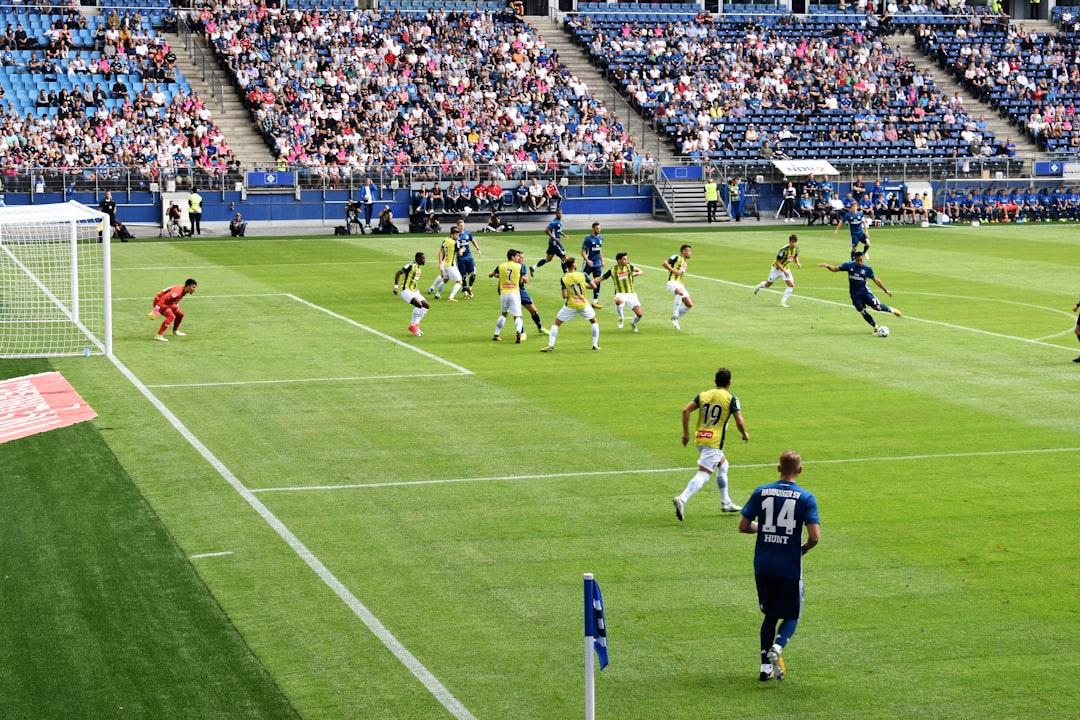
The FIFA World Cup final is widely considered the most prestigious event in global sports, drawing billions of viewers from every corner of the globe. However, this year, the spectacle is set to undergo a significant structural change. FIFA officials have confirmed that the half-time interval during the championship match will be extended to between 20 and 25 minutes, a departure from the traditional 15-minute break seen in standard matches.
This decision marks a deliberate shift in how FIFA approaches the final. By expanding the interval, the governing body is looking to bridge the gap between elite athletic competition and high-production entertainment, mirroring the successful commercial models found in other global sporting events, most notably the NFL’s Super Bowl.
For decades, the half-time break in football has been a brief period for players to regroup, hydrate, and receive tactical adjustments from their coaches. While the 15-minute window is standard across professional leagues worldwide, the World Cup final is a unique animal. It is a broadcast event that transcends the sport itself.
Industry insiders suggest that the primary driver for this extension is the integration of a high-profile, elaborate musical performance. By carving out a 25-minute window, FIFA creates enough space for a world-class stage production, complex lighting transitions, and a full-scale concert experience that would be impossible to execute within the standard 15-minute timeframe.
While fans may appreciate the added entertainment, the change has sparked a debate among coaches and sports scientists regarding the physical impact on the players. A standard 15-minute break is carefully timed to prevent muscles from cooling down too significantly. Extending that period to 25 minutes introduces a new variable.
- Muscle Cooling: Players will need to engage in more intensive warm-up drills during the final minutes of the break to ensure their muscles remain ready for the high-intensity demands of the second half.
- Tactical Momentum: Managers often use the half-time break to adjust strategies. A longer break could provide more time for deep tactical reflection, but it could also disrupt the 'flow' and momentum that a team might have built up in the first 45 minutes.
- Hydration and Recovery: On the positive side, an extra 10 minutes provides medical staff with more time to address minor injuries and ensure players are properly hydrated, which is crucial in high-pressure, high-stakes environments.
From a commercial standpoint, the decision is a masterstroke. The World Cup final is a prime advertising real estate, and an extended half-time show allows for additional high-value sponsorship integrations. Broadcasters and sponsors have long sought ways to maximize the reach of the final, and this structural adjustment provides the perfect platform to showcase globally recognized artists to a captive audience.
Critics argue that the integrity of the game should remain the priority, fearing that the 'Americanization' of football could detract from the sport's traditions. Conversely, proponents argue that the World Cup is a celebration of global culture, and that blending music and sport is a natural evolution for an event of this magnitude.
Whether this becomes a permanent fixture for future World Cup finals remains to be seen. FIFA will likely be monitoring viewer engagement metrics, social media sentiment, and player feedback closely following the final. If the experiment proves successful in driving viewership and engagement, we may see extended half-time shows become the standard for major international tournaments moving forward.
As the world turns its eyes to the final, the 25-minute break will serve as a litmus test for the future of sports entertainment. It represents a bold step for FIFA as it seeks to innovate and maintain the World Cup's status as the undisputed king of global sporting events.
Enjoying this article?
Get the daily AI briefing sent straight to your inbox.
Frequently Asked Questions
How long will the World Cup final half-time be?
The half-time break for the World Cup final is expected to last between 20 and 25 minutes, significantly longer than the standard 15-minute break.
Why is the World Cup final half-time being extended?
The extension is designed to accommodate a high-production entertainment show, similar to the half-time performances seen at major events like the Super Bowl.
Comments
0Please sign in to leave a comment.
Related articles
Spain’s Tactical Masterclass: How La Roja Silenced France to Reach World Cup Final
Spain’s impenetrable defense proved the difference in a 2-0 semifinal victory, as they neutralized Kylian Mbappé and France's star-studded attack.
Pedro Porro Leads Spain to World Cup Final in Tactical Masterclass Over France
Pedro Porro’s clinical strike against France secured Spain’s place in the 2026 World Cup final, proving that tactical discipline and individual brilliance remain the keys to success.
Didier Deschamps and the Paradox of France’s 2026 World Cup Exit
Didier Deschamps’ final tournament as France manager ended in a tactical struggle, raising questions about the balance between defensive discipline and attacking flair.