- FIFA will host its first-ever official halftime show during the 2026 World Cup final.
- Producer Guy Carrington describes the performance as an 11-minute, action-packed spectacle.
- The show aims to modernize the World Cup and reach a broader, global entertainment audience.
- Logistical challenges include rapid stage deployment without compromising the football pitch.
FIFA World Cup 2026: Inside the First-Ever Halftime Show Spectacle
Producer Guy Carrington reveals what fans can expect from the historic 11-minute musical showcase during the 2026 World Cup final.
Jul 17, 2026·0 views
Key Takeaways
For decades, the FIFA World Cup final has been defined by the tension on the pitch and the roar of the crowd. However, as the 2026 tournament approaches, FIFA is preparing to shift the paradigm. In a historic move, the organization has confirmed that the final match will feature the first-ever formal halftime show, a production designed to rival the spectacle of the Super Bowl.
Guy Carrington, the visionary producer tasked with bringing this ambitious project to life, has been working behind the scenes to ensure that the entertainment value matches the gravity of the sport. With viewing figures expected to reach historic highs, the pressure to deliver a seamless, high-energy performance is immense.
Carrington, who has been instrumental in shaping the creative direction, describes the upcoming performance as an "action-packed 11 minutes." Unlike traditional ceremonies that have preceded matches in the past, this halftime show is integrated directly into the rhythm of the game, designed to captivate a global audience that spans every time zone.
"The expected viewing figures on Sunday are going to be enormous, like probably the most viewed match of all time," Carrington noted in a recent interview. This massive reach means the production team is operating under a unique set of constraints—balancing the need for a high-octane performance with the strict logistical requirements of a professional football match.
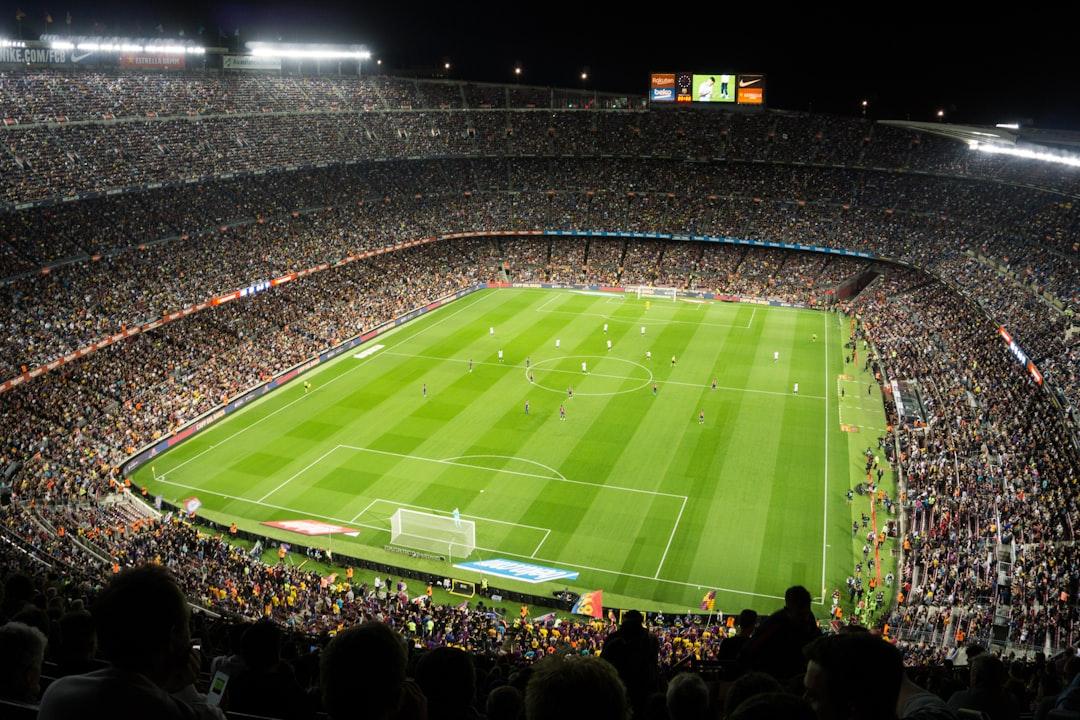
Transitioning a football pitch into a stage in mere minutes is a feat of engineering and choreography. The production team must account for:
- Pitch Integrity: Ensuring the grass remains suitable for professional play despite the installation of stage elements.
- Rapid Deployment: The entire set must be assembled and dismantled within the standard 15-minute halftime window.
- Global Broadcast Sync: Coordinating lighting, sound, and camera work to ensure the show looks as good on a smartphone as it does on a 4K television.
FIFA’s decision to introduce a halftime show is part of a broader strategy to modernize the World Cup experience. While purists might argue that the game should remain the sole focus, the commercial and entertainment potential of such a move is undeniable. By adopting elements of the American entertainment model, FIFA aims to attract a younger, more diverse audience that values spectacle alongside athletic excellence.
Carrington’s background in high-profile events suggests that the 2026 show will not just be about music; it will be a cultural moment. The integration of cutting-edge technology—potentially including augmented reality (AR) for home viewers—is expected to be a major talking point.
If the 2026 halftime show succeeds, it could become a permanent fixture in future FIFA World Cups. The move signals a shift in how the governing body perceives the "product" of football. It is no longer just a match; it is a global entertainment event.
As the world turns its eyes toward the 2026 final, the focus will be split between the tactical battle on the grass and the artistic display during the break. Carrington remains confident that the team can deliver a performance that respects the history of the sport while pushing the boundaries of what a live halftime show can achieve.
For the millions of fans who tune in, the 11 minutes of music will serve as a bridge between two halves of football, creating a cohesive experience that blends the best of sports and entertainment. Whether it becomes a beloved tradition or a point of contention among traditionalists, one thing is certain: the 2026 World Cup final will be a spectacle unlike anything the sport has seen before.
Enjoying this article?
Get the daily AI briefing sent straight to your inbox.
Frequently Asked Questions
Will there be a halftime show at the 2026 World Cup final?
Yes, FIFA has confirmed there will be an 11-minute halftime show during the 2026 World Cup final.
Who is producing the 2026 World Cup halftime show?
The production is being spearheaded by Guy Carrington, who is focused on delivering a high-energy performance for a global audience.
Comments
0Please sign in to leave a comment.
Related articles

Mortal Kombat II to Launch on HBO Max and HBO This July
Warner Bros. has confirmed the streaming debut for Mortal Kombat II, setting a July 24 release date for HBO Max subscribers.

Netflix Viewership Report: 'XO, Kitty' and 'Man On Fire' Future Remains Uncertain
Netflix's latest What We Watched report highlights high-performing shows like XO, Kitty and Man On Fire, yet both remain in development limbo.
Judge Weighs Restraining Order in High-Stakes Paramount-Warner Bros. Merger
A federal judge is set to rule next week on whether to grant a temporary restraining order against the proposed Paramount-Warner Bros. Discovery merger.