- The 2026 World Cup final will feature an extended half-time break of 20 to 25 minutes.
- The change is designed to accommodate high-production entertainment, similar to the Super Bowl.
- The move aims to maximize commercial reach and global viewer engagement.
- Teams will need to adapt warm-up routines to account for the longer break and potential impact on player physical condition.
FIFA Expands World Cup Final Half-Time: Why the Break is Growing to 25 Minutes
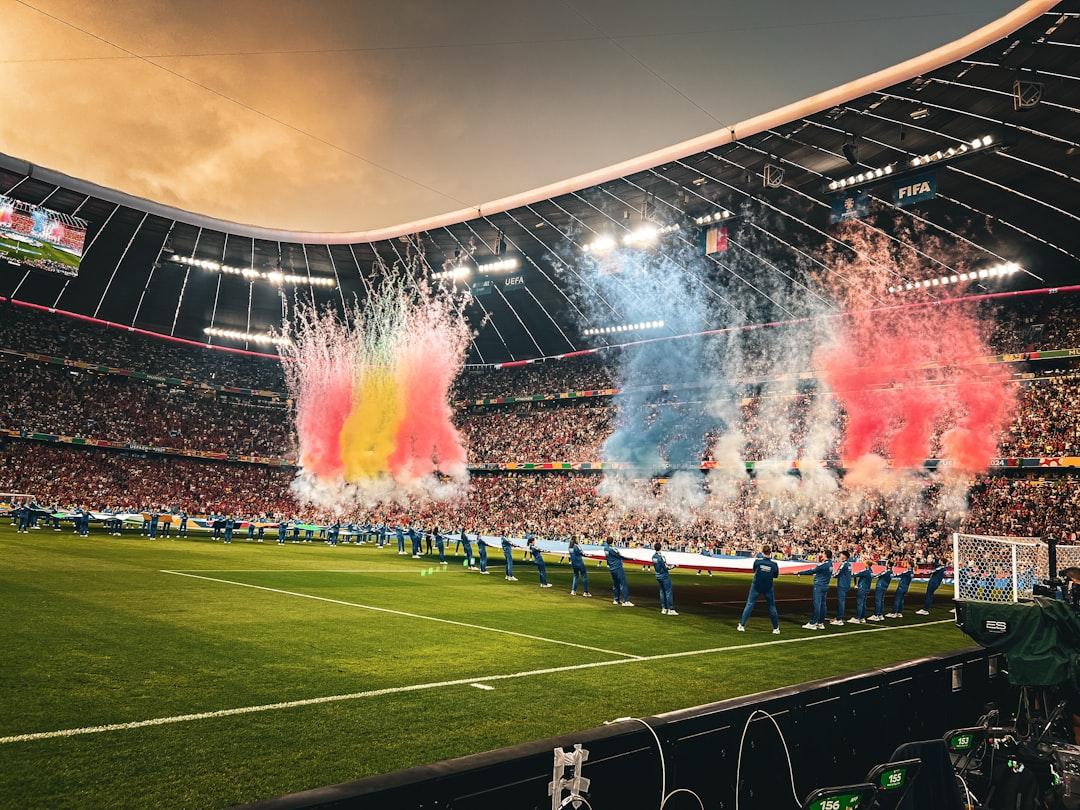
The 2026 World Cup final is set to feature an extended 25-minute half-time interval, mirroring the high-production spectacle of the NFL's Super Bowl.
Jul 14, 2026·0 views
Key Takeaways
The landscape of global football is undergoing a significant transformation, and nowhere is this more evident than in the strategic planning for the 2026 FIFA World Cup final. Reports confirmed this week indicate that the traditional 15-minute half-time interval will be extended to between 20 and 25 minutes for the tournament's showpiece event. This decision marks a departure from the standard regulations observed in domestic leagues and previous World Cup iterations, signaling FIFA's intent to elevate the final into a global entertainment powerhouse.
For decades, the "15-minute breather" has been a staple of the sport, allowing players to recover, tactical adjustments to be made, and fans to catch their breath. However, as the World Cup continues to rival the NFL’s Super Bowl in terms of global viewership and commercial appeal, FIFA is clearly looking to leverage that captive audience by introducing an expanded halftime show experience.
Why change a format that has worked for over a century? The answer lies in the intersection of sports, entertainment, and revenue generation. By extending the half-time break, FIFA provides a broader window for high-profile musical performances, elaborate light shows, and promotional content that appeals to a broader demographic beyond the hardcore football supporter.
Critics of the change point to the physical impact on the athletes. A 25-minute break is significantly longer than the standard 15 minutes, which could lead to players cooling down too much, potentially increasing the risk of muscle injuries or impacting the rhythm of the game. However, sports scientists and team trainers are likely to adjust warm-up protocols to ensure players remain match-ready despite the extended wait.
Key considerations for teams include:
- Active Recovery: Implementation of specialized indoor warm-up areas to maintain core body temperature.
- Tactical Depth: Providing coaches with additional time to analyze data-driven insights from the first half.
- Player Welfare: Monitoring the impact of the extended break on player fatigue levels in the final stages of the match.
From a commercial standpoint, this move is a masterstroke. The World Cup final is the most-watched sporting event on the planet, and broadcasters are eager to capitalize on the prime-time slot. A longer half-time allows for more advertising inventory and, more importantly, a platform for world-class entertainment that turns the match into a true "event" television experience.
This shift aligns the World Cup more closely with the Super Bowl, which has long utilized its half-time show to dominate social media trends and capture a massive audience that may not tune in for the game itself. By integrating a high-budget spectacle into the break, FIFA aims to solidify the World Cup final's status as the ultimate cultural event.
For the fans in the stadium and those watching at home, the change will be palpable. While purists may argue that the focus should remain solely on the football, the reality of modern sports management is that engagement is king. If the 2026 final proves to be a success, it is highly likely that this extended format could become the new industry standard for major international tournament finals.
As we look toward 2026, the challenge for FIFA will be to balance the integrity of the game with the demands of an evolving media landscape. Whether this results in a more engaging experience or a diluted sporting product remains to be seen. However, one thing is certain: the eyes of the world will be on the clock when the whistle blows for half-time in the 2026 World Cup final.
Enjoying this article?
Get the daily AI briefing sent straight to your inbox.
Frequently Asked Questions
How long will the 2026 World Cup final half-time be?
The half-time break for the 2026 World Cup final is expected to last between 20 and 25 minutes.
Why is FIFA extending the half-time break?
FIFA is extending the break to allow for a larger entertainment spectacle, similar to the Super Bowl, to increase global engagement and commercial opportunities.
Comments
0Please sign in to leave a comment.
Related articles
Spain’s Tactical Masterclass: How La Roja Silenced France to Reach World Cup Final
Spain’s impenetrable defense proved the difference in a 2-0 semifinal victory, as they neutralized Kylian Mbappé and France's star-studded attack.
Pedro Porro Leads Spain to World Cup Final in Tactical Masterclass Over France
Pedro Porro’s clinical strike against France secured Spain’s place in the 2026 World Cup final, proving that tactical discipline and individual brilliance remain the keys to success.
Didier Deschamps and the Paradox of France’s 2026 World Cup Exit
Didier Deschamps’ final tournament as France manager ended in a tactical struggle, raising questions about the balance between defensive discipline and attacking flair.