- Gianni Infantino has successfully consolidated power by expanding FIFA's base, effectively insulating himself from European dissent.
- The rift between FIFA and UEFA is widening due to disputes over the international match calendar and tournament expansion.
- A potential European breakaway remains a 'nuclear' but discussed option among top football stakeholders.
- The commercialization of major tournaments is increasingly pricing out the average fan, threatening the long-term cultural value of the game.
FIFA at a Crossroads: Miguel Delaney on Infantino’s Grip and Future Turmoil
As internal pressures mount, football’s governing body faces unprecedented scrutiny over leadership, commercial expansion, and the threat of a European exit.
Jul 10, 2026·0 views
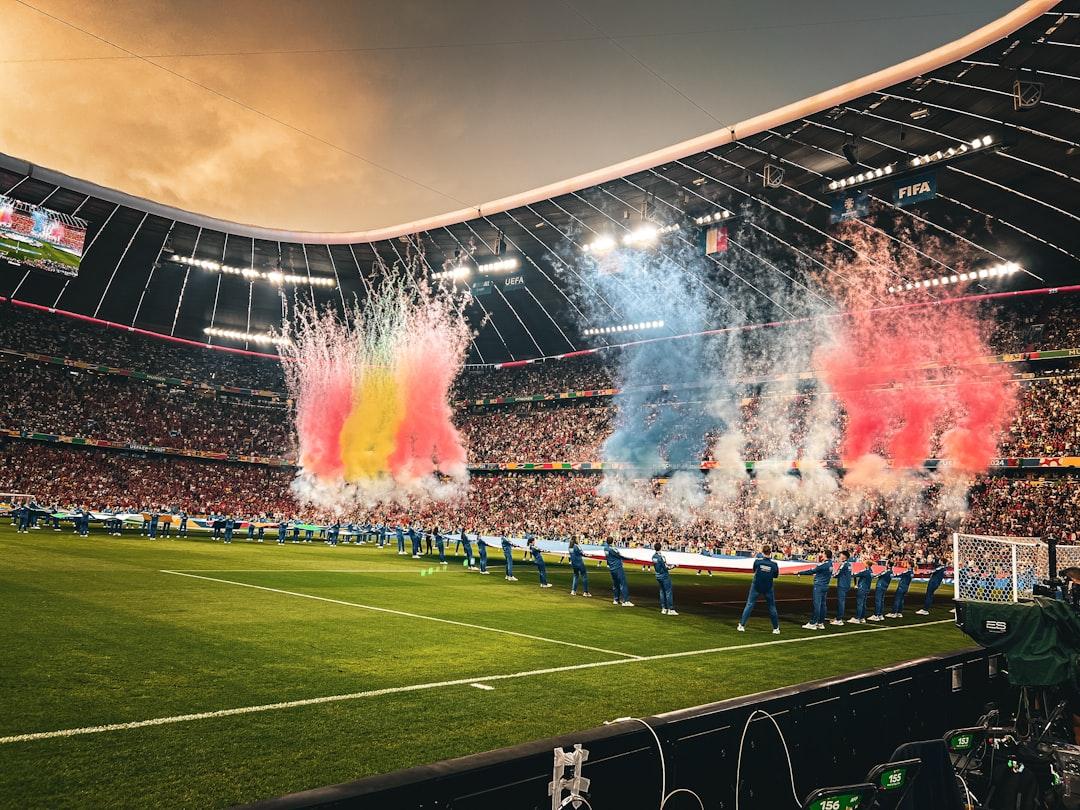
Key Takeaways
The landscape of global football is currently defined by a sense of unease. While the spectacle on the pitch continues to draw billions of viewers, the machinery behind FIFA is facing a level of internal and external scrutiny not seen since the seismic scandals of 2015. Chief football writer Miguel Delaney recently addressed the mounting concerns surrounding Gianni Infantino’s presidency, the commercialization of the sport, and the looming possibility of structural fracture within the governing body.
At the heart of the discourse is the comparison between Infantino and his predecessor, Sepp Blatter. While the administrative styles differ, critics argue that the concentration of power remains a persistent issue. Delaney notes that Infantino has mastered the art of leveraging the voting bloc of smaller nations to insulate his leadership from the dissent often voiced by European footballing giants.
Gianni Infantino’s tenure has been marked by a relentless push for expansion. From the revamped Club World Cup to the massive increase in participating teams for the 2026 World Cup, the strategy is clear: broaden the base of support to dilute the influence of traditional European powerhouses. By bringing more nations into the FIFA fold through increased tournament access and development funding, Infantino has effectively built an electoral firewall.
However, this strategy comes with significant trade-offs. The expansion of tournaments has led to a congested calendar, drawing the ire of player unions and major clubs alike. The concern among stakeholders is that FIFA is prioritizing short-term revenue growth and political capital over the long-term health of the players and the integrity of the domestic competition ecosystem.
The relationship between FIFA and UEFA has reached a historic low. The tension is no longer just about policy disagreements; it is about the fundamental vision of football’s future. Delaney highlights that while a formal breakaway remains a "nuclear option," the mere fact that it is being discussed in boardrooms indicates a dangerous rift.
Why would UEFA consider leaving? The primary drivers are:
- Control over Commercial Rights: UEFA wants a larger share of the pie from major events that disrupt their own highly profitable domestic leagues.
- Calendar Autonomy: The imposition of the new Club World Cup schedule has left European leagues feeling sidelined in their own backyard.
- Governance Reform: A growing belief that FIFA’s decision-making process is fundamentally opaque and resistant to democratic reform.
Should the European nations ever decide to forge their own path, it would represent the greatest disruption to international football since the sport's formal organization. It would force a choice upon sponsors, broadcasters, and fans: stick with the historical legacy of FIFA or follow the highest level of technical talent and commercial value.
Beyond the geopolitics of Zurich, the everyday fan is feeling the squeeze. The recent controversy surrounding ticket pricing has sparked a broader debate about the accessibility of the sport. As tournaments become more global and commercialized, the average supporter is often priced out of the experience.
Delaney points out that FIFA’s reliance on high-end hospitality and premium pricing structures is a double-edged sword. While it maximizes immediate revenue, it risks alienating the very demographic that provides the sport with its cultural soul. If the World Cup becomes a luxury product rather than a global festival, FIFA may find that its cultural capital begins to depreciate, even if its financial accounts remain in the black.
The question remains: can FIFA recover from its current trajectory, or is the organization destined for a radical restructuring? Delaney suggests that while the institution is incredibly resilient due to its monopoly over the World Cup, the "breaking point" may not be a single event, but a slow erosion of trust. When the biggest stakeholders—the players, the clubs, and the major broadcasters—begin to look for alternatives, the foundation of FIFA’s power will inevitably begin to crack. For now, the status quo holds, but the pressure to reform is mounting from every corner of the globe.
Enjoying this article?
Get the daily AI briefing sent straight to your inbox.
Frequently Asked Questions
Is Gianni Infantino’s leadership style similar to Sepp Blatter’s?
While both leaders faced criticism regarding power concentration, Infantino has utilized a broader electoral strategy by expanding tournament access to smaller nations, creating a distinct political support base.
Why is there talk of a UEFA breakaway from FIFA?
Tensions stem from disagreements over the international calendar, the expansion of the Club World Cup, and a desire for greater autonomy regarding commercial rights and governance.
What is the primary concern regarding FIFA's tournament expansion?
The main concern is the physical toll on players due to a congested schedule and the potential dilution of the sport's quality, alongside the commercialization that risks alienating fans.
Comments
0Please sign in to leave a comment.
Related articles
USMNT Roadmap: Building Toward a New Era After the 2026 World Cup
With the 2026 World Cup cycle concluded, the USMNT faces a critical transition period to refine its roster and tactical identity for the future.
Jurgen Klopp Reveals Liverpool’s Secret Pursuit of Kylian Mbappe
Former Liverpool boss Jurgen Klopp has shed light on why the club was unable to secure Kylian Mbappe, despite deep admiration for the forward's talents.
Claude Makelele Weighs In on Aurelien Tchouameni’s Future at Real Madrid
Real Madrid legend Claude Makelele discusses the evolution of the defensive midfield role and assesses the potential of fellow Frenchman Aurelien Tchouameni.