- FC Girondins de Bordeaux has been relegated to the sixth tier of French football.
- The relegation follows a failure to meet mandatory financial guarantees set by the DNCG.
- The club has lost its professional status after years of mounting debt and failed ownership talks.
- This historic collapse serves as a major warning regarding financial sustainability in professional sports.
FC Girondins de Bordeaux: A Historic Fall from Grace to the Sixth Tier
Once a titan of French football, the six-time Ligue 1 champions face a catastrophic collapse into the amateur ranks following severe financial mismanagement.
Jul 15, 2026·0 views
Key Takeaways
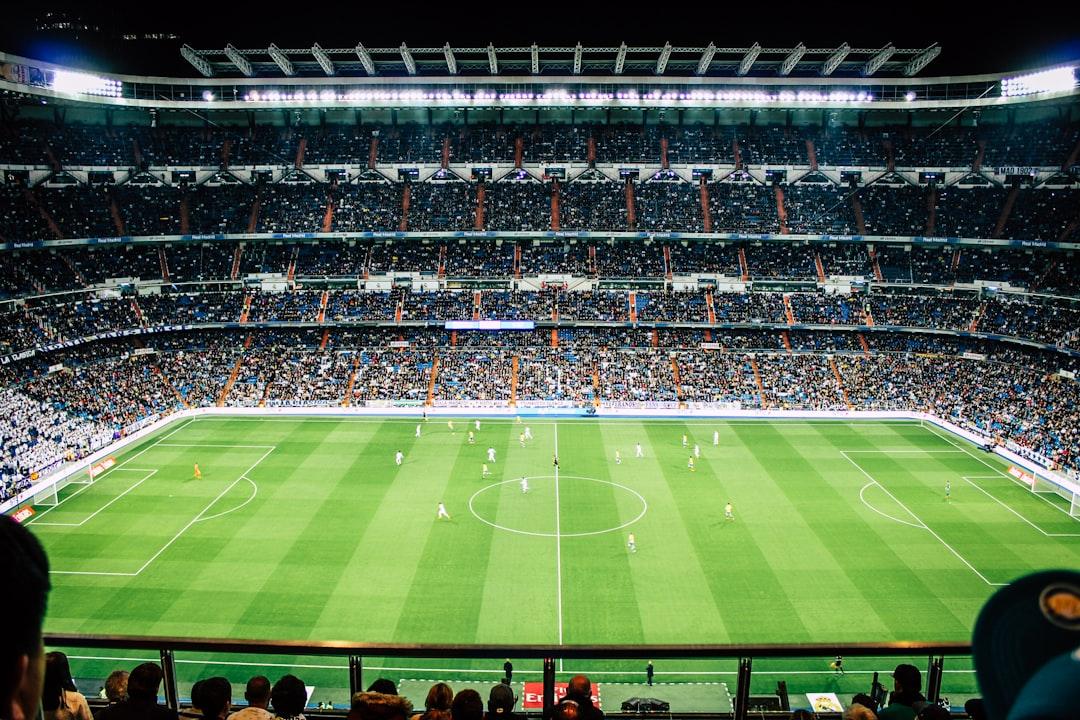
For decades, the name FC Girondins de Bordeaux was synonymous with excellence in French football. As six-time Ligue 1 champions and a club that once nurtured legends like Zinedine Zidane and Bixente Lizarazu, their fall from grace marks one of the most shocking developments in the history of the sport in Europe. Following a failure to provide the necessary financial guarantees required by the National Directorate of Control and Management (DNCG), the club has been relegated to the sixth tier of French football, the Championnat National 3.
This decision, finalized by the regulatory body overseeing French professional clubs, effectively strips the club of its professional status. The move follows a period of extreme turbulence that saw the club drop from Ligue 1 to Ligue 2, and now, into the depths of the amateur leagues, signaling a total collapse of the organization's economic infrastructure.
The downfall of Bordeaux is not the result of a single poor season on the pitch, but rather the culmination of years of financial instability. The club had been grappling with mounting debts and a lack of investor confidence that ultimately rendered them unable to meet the strict regulatory requirements of the French football authorities.
Key factors contributing to the relegation include:
- Unsustainable Debt: Years of accumulated losses left the club with a financial black hole that became impossible to bridge.
- Failed Takeover Attempts: High-profile negotiations with potential investors, including Fenway Sports Group (owners of Liverpool FC), collapsed at the eleventh hour, leaving the club without a lifeline.
- Regulatory Non-Compliance: The DNCG, known for its rigorous enforcement of financial fair play in France, refused to grant the club a reprieve after they failed to produce the necessary guarantees to prove they could complete a season in the National league.
Bordeaux’s descent is more than just a local tragedy; it is a wake-up call for the entire Ligue 1 ecosystem. The club, which had been a staple of top-flight European competition for decades, now faces the reality of playing against regional, semi-professional teams. This shift leaves a massive void in the French football market, impacting television rights, fan engagement, and the development pipeline for youth talent in the Nouvelle-Aquitaine region.
Fans, who have remained loyal throughout the club's decline, are now faced with the prospect of seeing their historic badge represented in the amateur tiers. The loss of professional status also means that the club's prestigious academy, which has historically been one of the most productive in France, faces an uncertain future regarding its ability to retain talent and maintain its high standards.
The path to redemption for Bordeaux will be long and arduous. Historically, clubs that have faced similar administrative relegations in France—such as Strasbourg or Bastia—have had to undergo radical restructuring, often involving a complete overhaul of ownership and a focus on grassroots rebuilding.
For Bordeaux, the immediate future involves navigating the complexities of the sixth tier while attempting to keep the club alive as a viable entity. The supporters remain the heartbeat of the organization, and their continued backing will be essential as the club attempts to climb back up the pyramid. However, the loss of professional revenue streams means that the club's survival depends entirely on private investment and a drastic reduction in operational costs.
As the football world watches, the story of Bordeaux serves as a cautionary tale about the perils of over-leveraging and the importance of sustainable financial management in the modern era of professional sports. Whether this is the end of an era or the beginning of a painful, bottom-up reconstruction remains to be seen.
Enjoying this article?
Get the daily AI briefing sent straight to your inbox.
Frequently Asked Questions
Why was FC Girondins de Bordeaux relegated to the sixth tier?
The club failed to provide the necessary financial guarantees required by the DNCG, leading to the loss of their professional status.
What level of football will Bordeaux play in now?
Following the administrative decision, Bordeaux will compete in the Championnat National 3, which is the sixth tier of the French football league system.
Comments
0Please sign in to leave a comment.
Related articles
Milos Kerkez and Andoni Iraola: A Tactical Synergy Shaping Bournemouth’s Future
Bournemouth’s rising star Milos Kerkez discusses his evolving role under Andoni Iraola as the team prepares for a critical Premier League campaign.
Norwich City Defends Controversial Sacking of Promotion-Winning Manager
Norwich City has broken its silence regarding the dismissal of manager Andy Cook, framing the decision as a necessary step for the club's long-term evolution.
Barcelona Eyes Defensive Reinforcement: Aymeric Laporte Linked to Camp Nou
Aymeric Laporte's commanding defensive display at the 2026 World Cup has sparked transfer rumors linking the star to a move back to La Liga with Barcelona.