- Argentina and England fans booed each other's anthems, reflecting deep-seated historical tensions.
- The 1982 Falklands War remains a significant factor in the national identities of both nations.
- Stadiums have become venues for political expression and nationalist sentiment.
- The incident underscores the difficulty of separating geopolitics from international sporting competition.
Falklands Legacy: Tensions Flare as Argentina and England Fans Clash
Geopolitical history intersects with sports as national anthems are drowned out by opposing supporters, reigniting long-standing diplomatic sensitivities.
Jul 15, 2026·0 views
Key Takeaways
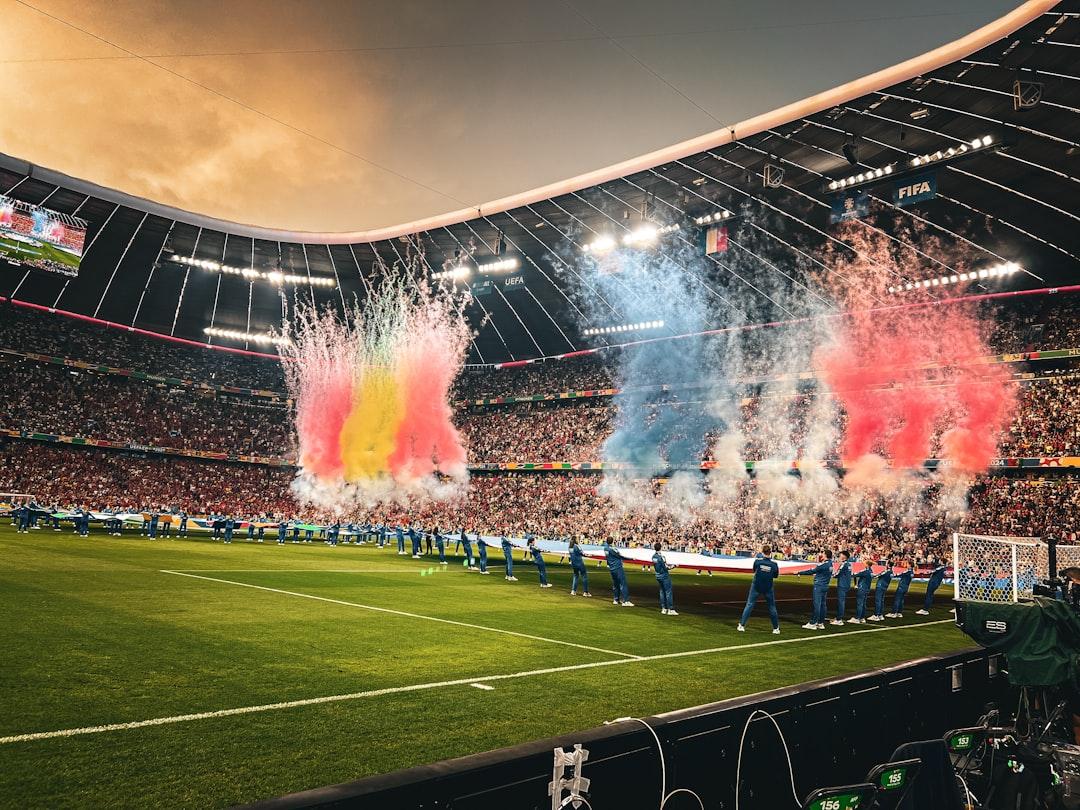
The intersection of sports and geopolitics has long been a volatile space, but few rivalries carry the historical weight of Argentina versus England. In a recent display of nationalistic fervor, the atmosphere turned sour long before the first whistle, as supporters from both nations engaged in a vocal protest during the playing of the national anthems. The incident, which saw both anthems drowned out by aggressive booing, serves as a stark reminder that the wounds of the 1982 Falklands War remain raw for many citizens on both sides of the Atlantic.
While sporting events are often touted as a bridge between cultures, this particular match highlighted the deep-seated grievances that still permeate the relationship between the two nations. For fans in attendance, the stadium became a stage for political expression, transforming a routine sporting fixture into a symbolic battleground for historical memory and national pride.
To understand the intensity of the reaction, one must look back at the Falklands War, a ten-week undeclared conflict between Argentina and the United Kingdom in 1982. The war resulted in the loss of 649 Argentine military personnel, 255 British military personnel, and three Falkland Islanders. Over four decades later, the conflict remains a central pillar of national identity for both countries, albeit for vastly different reasons.
In Argentina, the sovereignty of the Malvinas (as the islands are known locally) is a non-negotiable issue, frequently referenced in political discourse and educational curricula. In the United Kingdom, the conflict is often remembered as a turning point for the Thatcher administration and a defense of self-determination for the islanders. When these two nations meet on the global stage—whether in football, rugby, or other international competitions—these historical sentiments inevitably rise to the surface.
Modern stadium culture has evolved into a space where fans feel empowered to express political dissent. The act of booing an anthem is generally considered a significant breach of sporting etiquette, yet it has become a common tool for supporters to signal their disapproval of an opponent's national narrative.
- Symbolic Protest: Fans view the anthem as a representation of the state, not just the players on the field.
- Historical Grievances: The booing acts as a visceral response to decades of diplomatic stalemate.
- Media Amplification: Social media platforms allow these moments to go viral, often escalating tensions beyond the physical confines of the stadium.
Sociologists suggest that this behavior is a form of collective identity reinforcement. By booing the "other," fans are not merely insulting an opponent; they are reaffirming their own allegiance to their country's historical and political stance. However, this behavior often leads to international condemnation, as it detracts from the spirit of fair play that international sporting bodies strive to uphold.
As global sports continue to grow in popularity, the challenge for organizers is how to manage these highly charged encounters. Security protocols have become more stringent, but policing the behavior of thousands of passionate fans remains a complex task. The incident highlights a broader issue: how do we reconcile the intense nationalism inherent in international sport with the need for mutual respect?
Moving forward, diplomats and sports officials may need to engage in more proactive dialogue to mitigate the impact of historical tensions on the field. While the rivalry between Argentina and England is unlikely to dissipate, the hope remains that future encounters can focus on the athletic prowess of the competitors rather than the ghosts of the past. Until then, these matches will likely continue to serve as a barometer for the underlying diplomatic and social climates between the two nations, reminding us that sports are never truly just a game.
Enjoying this article?
Get the daily AI briefing sent straight to your inbox.
Frequently Asked Questions
Why did fans boo the national anthems during the match?
The booing was a manifestation of long-standing tensions stemming from the 1982 Falklands War, which remains a sensitive political and historical issue for both Argentina and the United Kingdom.
Is there a history of rivalry between Argentina and England?
Yes, the rivalry is deep and multifaceted, compounded by historical geopolitical conflict and several high-profile sporting encounters over the last few decades.
Comments
0Please sign in to leave a comment.
Related articles
Athletic Club Crisis: Gorka Guruzeta Out for Season With ACL Injury
Athletic Club confirms Gorka Guruzeta will miss the remainder of the season after suffering a season-ending cruciate ligament injury against Valencia CF.

Napoli Star Alisson Santos Faces Another Injury Setback After Return
Napoli’s momentum hits a snag as Alisson Santos suffers a fresh injury blow immediately following his return to the pitch.

Kamari Doyle Urges Leicester City to Build Momentum After Doncaster Victory
Leicester City midfielder Kamari Doyle believes the club's recent triumph over Doncaster is the catalyst needed to spark a consistent winning streak.