- Domestic European leagues are entering a phase of high tactical complexity and increased squad rotation.
- Data analytics and AI are playing a critical role in managing player fitness and real-time tactical adjustments.
- The gap between top-tier clubs and mid-table teams is narrowing due to widespread adoption of high-pressing systems.
- Bundesliga and Serie A are emerging as key hubs for tactical innovation and youth development.
Europe’s Football Elite: A Tactical Look at the Upcoming League Campaigns
As global football eyes shift from international tournaments to domestic competition, Europe’s top leagues prepare for a season of tactical evolution and high-stakes drama.
Jul 16, 2026·0 views
Key Takeaways
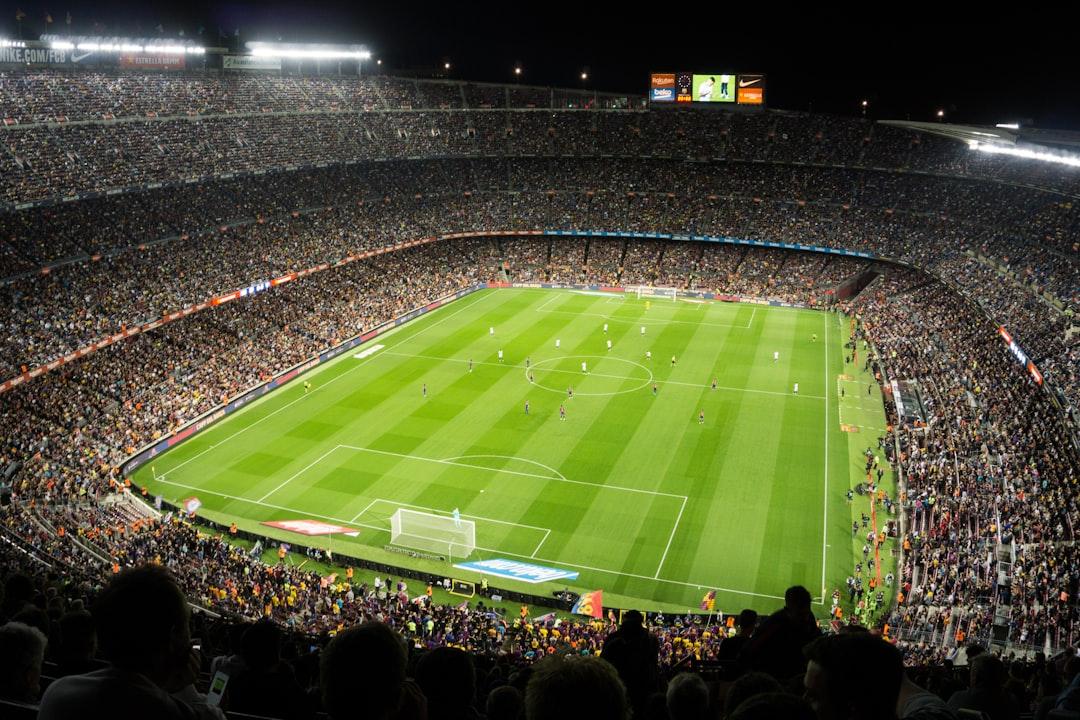
As the global football calendar turns its attention away from international tournaments, the focus shifts squarely back to the heartbeat of the sport: Europe’s top-flight leagues. The upcoming campaign is poised to be one of the most unpredictable in recent memory, as clubs across the Premier League, La Liga, Serie A, and the Bundesliga navigate a landscape defined by tactical innovation, financial fair play constraints, and the integration of emerging young talent.
Clubs have been working diligently behind the scenes, utilizing advanced analytics and AI-driven scouting to bolster their ranks. The transition from international duty back to the daily grind of league football represents a significant physical and mental challenge for the world's elite players, setting the stage for potential upsets in the early weeks of the season.
The English Premier League continues to be the primary destination for the world’s best tactical minds. This season, the narrative is less about the sheer dominance of one club and more about the narrowing gap between the title contenders and the rest of the pack.
- Mid-table Ambition: Smaller clubs are increasingly utilizing high-pressing systems that mirror elite-tier tactics, making every match a potential trap for the traditional 'Big Six.'
- Squad Depth: With the expansion of European competitions, depth has become the most valuable currency in the transfer market.
- Managerial Influence: The tactical battle between established veterans and incoming innovators promises to make the touchline as exciting as the pitch itself.
In Spain, La Liga is undergoing a period of structural rejuvenation. While the traditional powerhouses remain, the focus has shifted toward developing versatile players who can operate in multiple roles. This shift is a direct response to the increasing speed of modern football, where rigid positions are becoming a relic of the past.
Clubs are prioritizing ball retention and high-intensity transitions. The league’s commitment to technical proficiency remains its hallmark, but the physical demands placed on players have reached an all-time high, leading to a more robust and aggressive style of play across the board.
The German Bundesliga continues to solidify its reputation as the premier finishing school for the world's most exciting young prospects. By providing consistent minutes to teenagers, German clubs are creating a production line that is the envy of the continent. Expect to see breakout stars who will define the next decade of football.
Meanwhile, Italy’s Serie A is enjoying a tactical renaissance. Once criticized for being overly defensive, the league has embraced a progressive approach that emphasizes attacking patterns and fluid formations. The resurgence of historic clubs has injected a renewed sense of competitiveness into the league, making it a must-watch for tactical purists.
Technology is no longer a peripheral element in football; it is the engine driving these league campaigns. From AI-optimized training loads to sophisticated injury prevention protocols, clubs are leaving nothing to chance.
Managers are now using real-time data to adjust formations mid-game, a trend that has turned matches into high-stakes chess matches. This integration of technology ensures that the upcoming season will be the most scientifically managed in the history of the sport. Fans can expect higher intensity, fewer unforced errors, and a level of tactical complexity that was previously unimaginable at the club level.
As we look toward the opening whistle, one thing is certain: the landscape of European football is evolving. Whether through the tactical rigidity of the new guard or the technical brilliance of established stars, the upcoming season promises to deliver the drama and excellence that keep millions of fans glued to their screens every single weekend.
Enjoying this article?
Get the daily AI briefing sent straight to your inbox.
Frequently Asked Questions
What is the primary trend in European football leagues this season?
The primary trend is the shift toward high-intensity, versatile tactical systems and the heavy integration of AI-driven data analytics for performance management.
Which leagues are currently leading in youth development?
The Bundesliga is widely recognized as the premier league for integrating young prospects, though Serie A and other top leagues are also prioritizing youth development to maintain competitiveness.
Comments
0Please sign in to leave a comment.
Related articles
Real Madrid Prioritize Contract Renewals for Four Key Dressing Room Leaders
Real Madrid is shifting its focus from the transfer market to internal stability, aiming to lock down four critical players to ensure long-term success.
Celtic Defender Maik Nawrocki Poised for High-Profile Move to RC Lens
Celtic defender Maik Nawrocki is nearing a move to RC Lens, marking a significant shift for the Polish international's career in European football.
Stockport County Bolsters Midfield with Signing of Harry Wood from Shelbourne
Stockport County has officially secured the services of Harry Wood, a talented 23-year-old midfielder arriving from Shelbourne FC for an undisclosed fee.