- Six out of eight quarter-finalists are from Europe, highlighting a significant continental dominance.
- Advanced infrastructure and high-level club competition are key drivers of European success.
- Data-driven coaching and tactical sophistication play a major role in modern tournament performance.
- History suggests a high probability of a European nation winning the tournament given the current representation.
European Dominance in North America: A Statistical Look at World Cup Success
As European nations secure six of the eight quarter-final spots, we analyze the tactical, economic, and historical factors driving this continental surge.
Jul 8, 2026·0 views
Key Takeaways
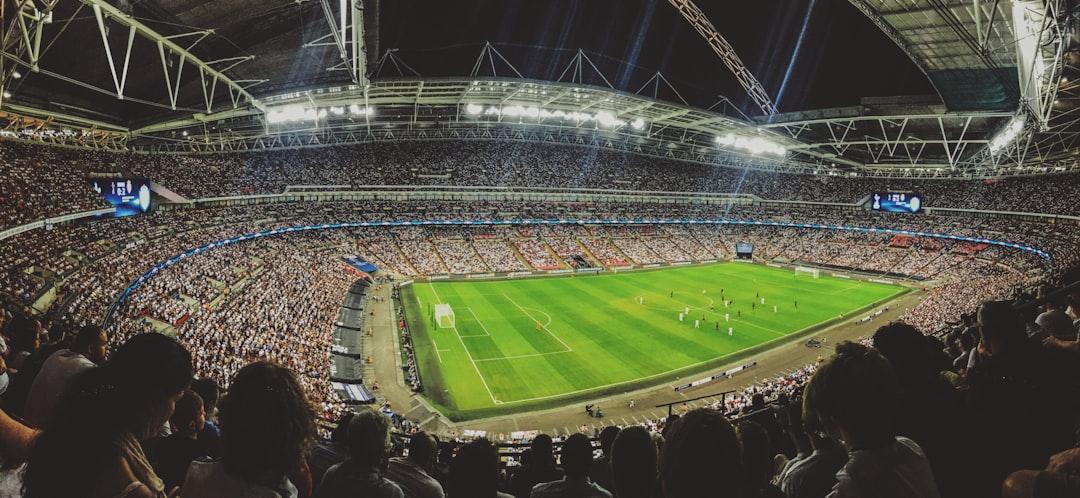
In the high-stakes environment of the World Cup in North America, the landscape of international football has once again tilted heavily toward Europe. With six of the eight quarter-finalists hailing from the UEFA confederation, the narrative of European dominance has moved from a mere trend to a statistical reality. While fans and pundits often debate whether this is a sign of an uneven playing field or simply the result of superior infrastructure, the numbers tell a compelling story of consistency and tactical evolution.
One of the primary reasons cited for Europe’s sustained success is the depth of its domestic club competitions. The UEFA Champions League and top-tier leagues like the Premier League, La Liga, and the Bundesliga serve as year-round laboratories for tactical innovation. Players from diverse backgrounds train together daily under the world’s most advanced coaching staffs, creating a level of technical familiarity that is difficult for other confederations to replicate.
- Tactical Sophistication: European teams often demonstrate a higher level of tactical fluidity, allowing them to switch formations mid-game.
- Resource Allocation: Significant investment in youth academies ensures a constant pipeline of elite talent.
- Data-Driven Preparation: Advanced AI-driven analytics are now standard practice for European national teams, aiding in squad selection and opponent scouting.
History has shown that when Europe dominates the latter stages of a World Cup, they are statistically likely to lift the trophy. Since the turn of the millennium, the gap between UEFA and other confederations—specifically CONMEBOL—has widened in terms of tournament depth. While South American giants like Brazil and Argentina remain perennial threats, the sheer volume of European teams in the quarter-finals creates a 'strength in numbers' scenario that makes it difficult for outsiders to break the stranglehold.
However, the North American setting adds a unique layer of complexity. The travel distances, varying climates, and pitch conditions across the host cities require a level of logistical management that tests even the most disciplined squads. European teams have largely adapted by utilizing modern recovery techniques and advanced sports science to mitigate the fatigue associated with such a sprawling tournament format.
Critics often argue that the World Cup structure itself favors the European status quo. With a higher number of qualification slots allocated to UEFA, the 'average' European side is often battle-hardened by a gauntlet of high-intensity qualifying matches. By the time they reach the quarter-finals, these teams have already navigated significant pressure, making them less prone to the nerves that can derail less experienced squads.
Yet, this is not merely a product of numbers. The tactical shift toward high-pressing, possession-based football—a style popularized by European clubs over the last decade—has become the global benchmark. Teams that fail to adapt to this high-tempo environment are frequently eliminated early, leaving the quarter-finals populated by sides that share a similar, highly-refined approach to the game.
As the tournament progresses toward the final, the focus will shift from continental representation to the individual brilliance of key players. While the statistics favor a European winner, the unpredictability of knockout football remains the World Cup’s greatest asset. One moment of individual brilliance or a single tactical error can dismantle months of preparation.
For the remaining contenders, the goal is clear: maintain the structural discipline that brought them this far while finding the creative spark necessary to break down equally well-drilled defenses. Whether this year concludes with a European champion or a surprising upset, the current dominance of UEFA teams stands as a testament to the current state of professional football development.
Enjoying this article?
Get the daily AI briefing sent straight to your inbox.
Frequently Asked Questions
Why are European teams dominating the World Cup quarter-finals?
European teams benefit from elite domestic leagues, advanced youth development, and a higher number of qualification spots, which create a consistent pipeline of high-level talent.
Does having more European teams in the quarter-finals guarantee a win?
While it increases the statistical probability of a European winner, tournament football remains unpredictable and subject to individual brilliance and tactical errors.
Comments
0Please sign in to leave a comment.
Related articles
Athletic Club Crisis: Gorka Guruzeta Out for Season With ACL Injury
Athletic Club confirms Gorka Guruzeta will miss the remainder of the season after suffering a season-ending cruciate ligament injury against Valencia CF.
Napoli Star Alisson Santos Faces Another Injury Setback After Return
Napoli’s momentum hits a snag as Alisson Santos suffers a fresh injury blow immediately following his return to the pitch.
Kamari Doyle Urges Leicester City to Build Momentum After Doncaster Victory
Leicester City midfielder Kamari Doyle believes the club's recent triumph over Doncaster is the catalyst needed to spark a consistent winning streak.