- Erling Haaland's popularity is surging in the U.S., driving massive social media growth ahead of the 2026 World Cup.
- Didier Deschamps faces significant scrutiny over his tactical approach and future as France's head coach.
- The French national team is currently navigating a difficult generational transition.
- The 2026 World Cup is acting as a catalyst for both player branding and managerial accountability in international football.
Erling Haaland's US Stardom and the Future of French Football
As Erling Haaland cements his status as a global icon in the United States, Didier Deschamps faces mounting questions regarding his tenure as France manager.
Jul 18, 2026·0 views
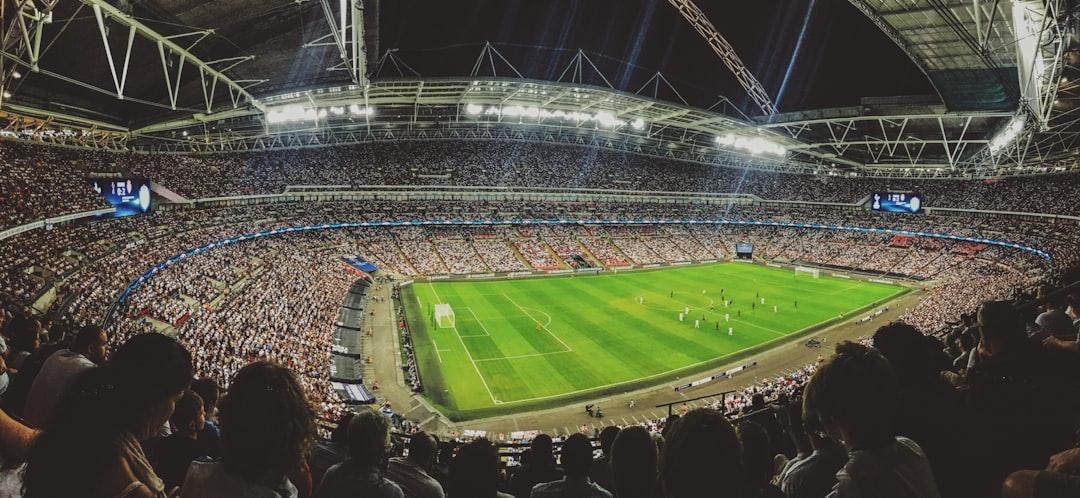
Key Takeaways
Erling Haaland is no longer just a striker; he is a global phenomenon. Following his high-profile appearances and engagement during recent international fixtures and promotional tours in the United States, the Manchester City talisman has seen his digital footprint expand at an unprecedented rate. His Instagram following has surged, signaling a shift where elite footballers are beginning to rival the reach of traditional Hollywood celebrities.
Market analysts suggest that Haaland’s unique blend of clinical professionalism on the pitch and a relatable, somewhat stoic personality off it has resonated deeply with the American sports demographic. Unlike many of his peers who lean into the 'influencer' persona, Haaland’s authenticity—often punctuated by his signature goal celebrations and focused demeanor—has made him a magnet for younger fans stateside.
This growth in social media engagement is more than just a vanity metric. It represents a significant shift in how European football stars are marketed in North America. With the FIFA World Cup 2026 on the horizon, brands are scrambling to align themselves with figures like Haaland, who bridge the gap between niche soccer fandom and mainstream American sports culture.
While Haaland’s star continues to ascend, the mood in the French camp remains significantly more somber. Didier Deschamps, the man who steered France to glory in 2018, finds himself in the eye of a storm. Recent performances have led to widespread speculation regarding his future, with fans and pundits alike questioning if the era of 'DD' has finally reached its natural conclusion.
Deschamps has been a pillar of stability for Les Bleus, but the modern game demands constant evolution. Critics point to a perceived lack of tactical flexibility in recent matches, suggesting that the team has become overly reliant on individual brilliance rather than cohesive, modern tactical structures. For a nation that prides itself on producing world-class talent every cycle, the pressure to maintain a winning standard is relentless.
What makes the situation with Deschamps particularly complex is the generational transition currently occurring within the French squad. With veteran leaders stepping back and a new wave of talent emerging, the locker room dynamic is in flux. The question facing the French Football Federation (FFF) is whether Deschamps is the right manager to oversee this transition or if a fresh perspective is required to maximize the output of the next generation.
- Key Challenges for Deschamps:
- Managing egos within a star-studded squad.
- Integrating younger, less experienced players into the core rotation.
- Addressing defensive vulnerabilities exposed in recent tournaments.
- Balancing defensive pragmatism with the attacking flair French fans demand.
The dual stories of Haaland’s rise and Deschamps’ potential decline capture the current heartbeat of world football. As we look toward the 2026 World Cup, the sport is undergoing a massive transformation. The infrastructure in the U.S. is primed for a 'soccer boom,' and players like Haaland are the primary catalysts for this growth. Conversely, established European powers like France must decide whether to double down on their current leadership or pivot to avoid stagnation.
For supporters, these narratives are deeply intertwined with the health of the game. Haaland represents the future—a globalized, high-octane athlete who transcends borders. Deschamps represents the past decade of excellence—a period defined by grit, tactical discipline, and immense success. As the landscape of international football shifts, both Haaland and Deschamps find themselves at critical junctures that will define their legacies for years to come.
Enjoying this article?
Get the daily AI briefing sent straight to your inbox.
Frequently Asked Questions
Why is Erling Haaland becoming so popular in the United States?
Haaland's authentic personality and elite performance on the pitch have resonated with U.S. sports fans, making him a prime candidate for marketing ahead of the 2026 World Cup.
Is Didier Deschamps leaving the French national team?
While there is significant speculation and criticism regarding his tactical decisions, Deschamps' official status remains a subject of ongoing debate within the French Football Federation.
Comments
0Please sign in to leave a comment.
Related articles
Jose Mourinho’s Tactical Blueprint: The Six Players Defining His New Project
Jose Mourinho is once again reshaping a squad, with reports identifying six key players who form the backbone of his long-term strategic plan.
Liverpool Advance Talks for £51m World Cup Midfield Target
Liverpool FC is reportedly closing in on a £51 million deal for a breakout World Cup star to bolster their midfield ranks ahead of the new season.
Road to the Final: Lamine Yamal, Messi’s Legacy, and Deschamps' Future
With the World Cup final just hours away, we break down the defining storylines, from Lamine Yamal's meteoric rise to the speculation surrounding Didier Deschamps.