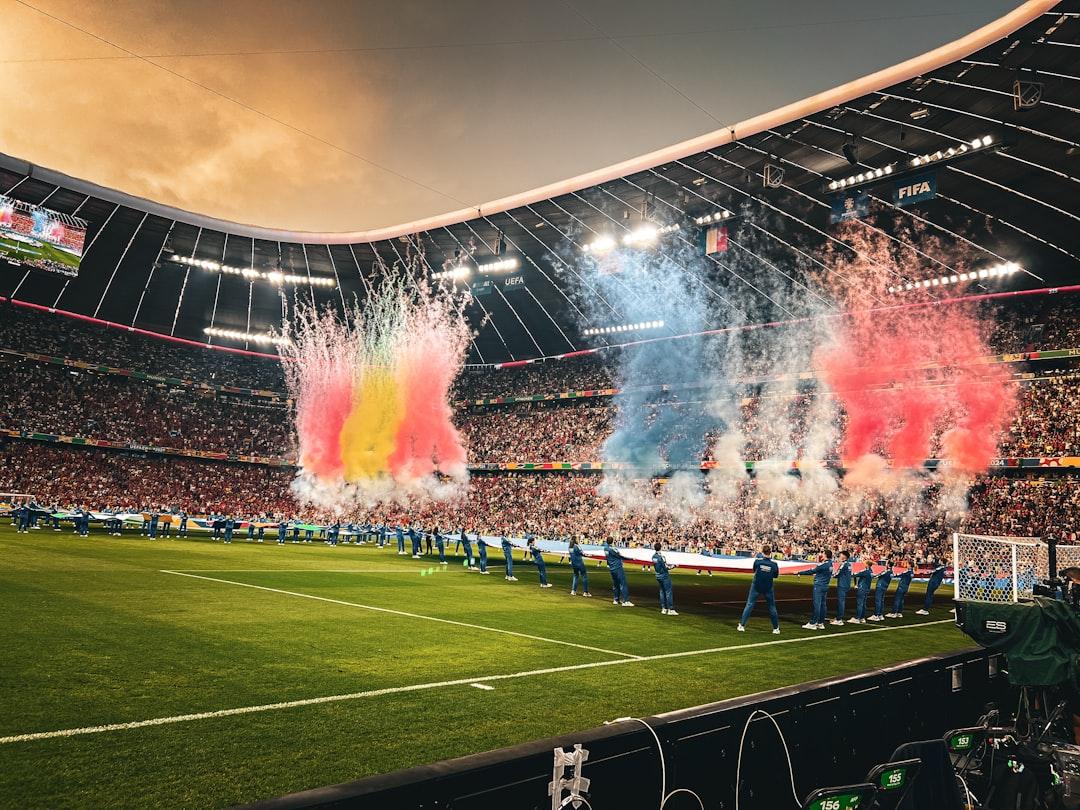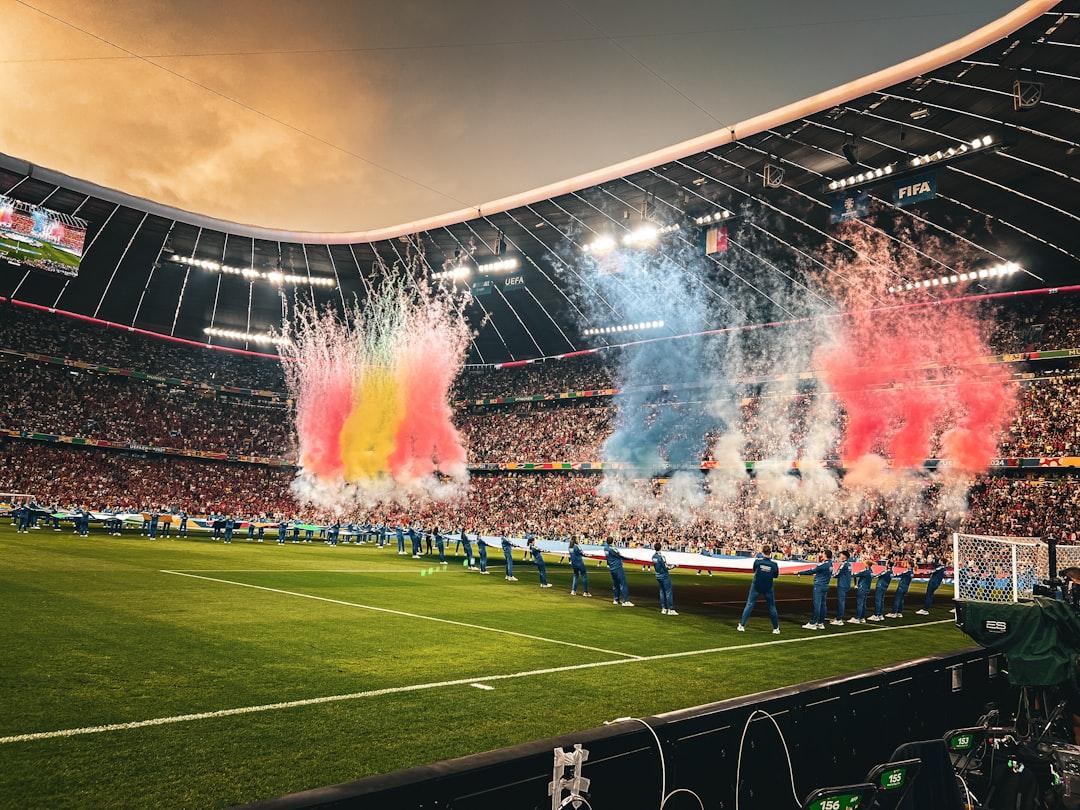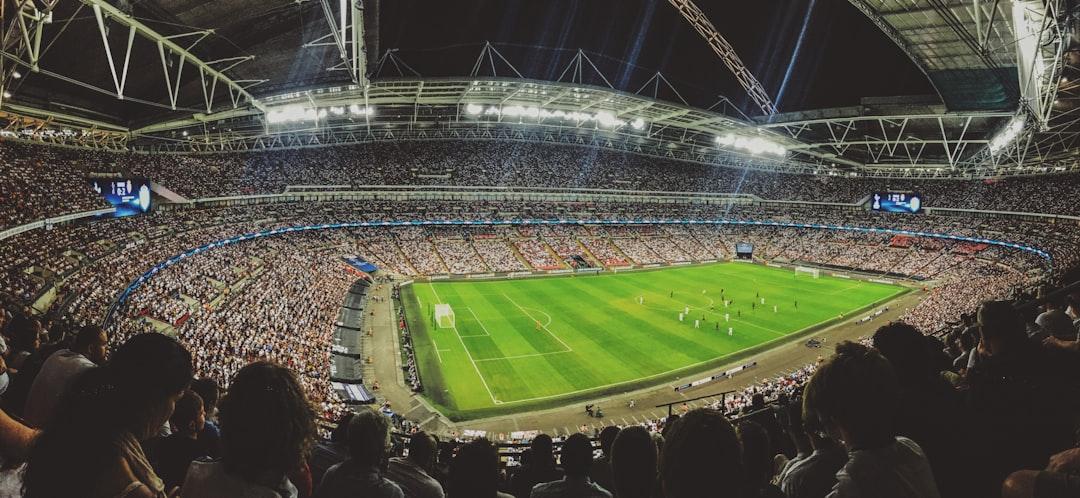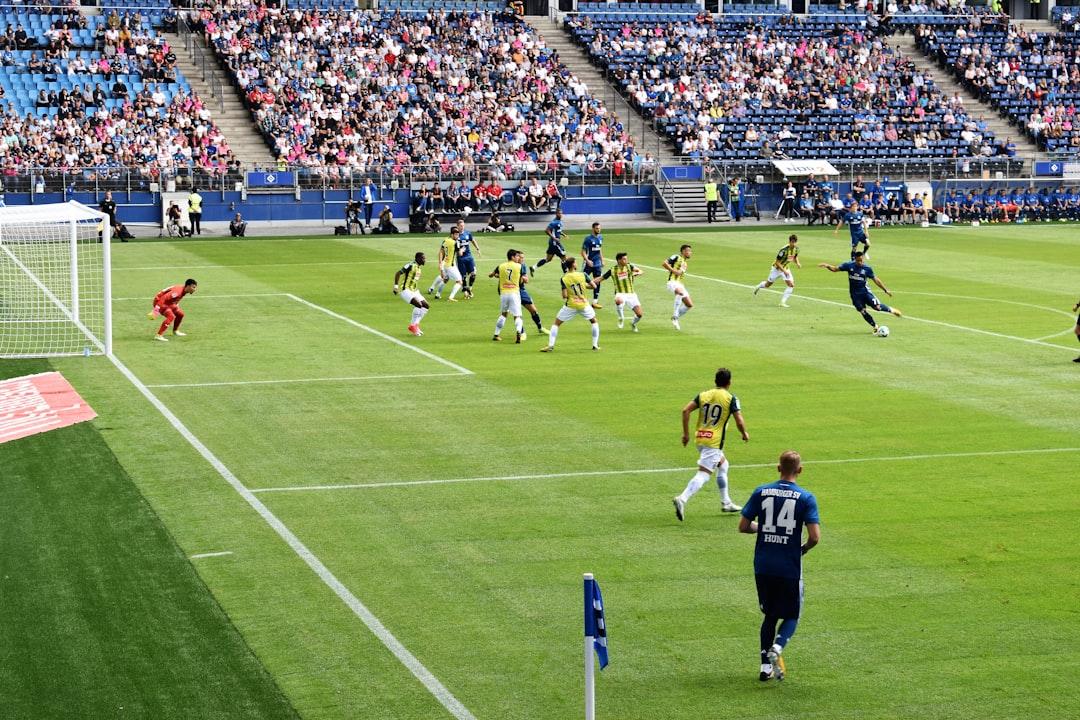
The landscape of sports broadcasting in the United Kingdom experienced a seismic shift this week as England’s dramatic 2-1 victory over the Democratic Republic of Congo in the World Cup Round of 32 drew record-breaking viewership numbers. As the final whistle blew, data analysts confirmed that the match had secured the largest live audience for the BBC across any programming category throughout the current calendar year.
This surge in viewership highlights the enduring power of international football to unify audiences. In an era of fragmented media consumption, where streaming services and social media often dilute traditional television audiences, the sheer scale of the engagement surrounding the Three Lions’ campaign serves as a powerful reminder of the "watercooler effect" that live sports still command.
At the heart of this massive viewing event was England captain Harry Kane. With the pressure mounting and the game deadlocked, Kane delivered a clinical performance that reminded fans and critics alike why he remains one of the world's most formidable strikers. His brace—two goals that showcased his clinical finishing and positioning—proved to be the difference-maker in a highly competitive fixture.
The match was far from a comfortable stroll for the English squad. The DR Congo side demonstrated incredible resilience, pressing high and forcing the English defense into moments of intense scrutiny. However, it was Kane’s ability to capitalize on key opportunities that ultimately allowed Gareth Southgate’s men to advance to the next stage of the tournament. For the millions watching at home, the tension of the match was palpable, contributing to the high retention rates observed by broadcast monitors.
Several factors contributed to the record-breaking figures observed by the BBC. Analysts point to a combination of favorable scheduling, the high-stakes nature of the Round of 32, and the national pride associated with England’s World Cup journey. Key drivers included:
- The Knockout Format: Unlike group stage matches, the Round of 32 carries the immediate risk of elimination, which naturally increases audience retention and urgency.
- The Narrative Arc: The storyline of England seeking glory on the global stage continues to be the most compelling narrative in British sports media.
- Accessibility: By hosting the event on the BBC, the match remained accessible to the broadest possible demographic, ensuring that viewers from all walks of life could tune in without a subscription barrier.
While the BBC’s broadcast figures were the primary focus of this report, the digital ecosystem surrounding the match was equally vibrant. Social media platforms were flooded with commentary, analysis, and highlight clips, creating a secondary layer of engagement that likely bolstered the primary broadcast numbers.
Industry experts suggest that the "second screen" experience—where fans tweet, text, and chat while watching the game—has become integral to the modern viewing experience. This synergy between live broadcast television and real-time digital interaction ensures that matches involving the national team remain cultural touchstones that define the sporting year.
With this victory, England advances to the next stage, carrying the weight of expectation and the momentum of a nation behind them. For the BBC, the challenge will be to maintain this level of engagement as the tournament progresses. If the Round of 32 is any indication, the remainder of the World Cup is poised to be one of the most-watched sporting events in recent history.
As the team prepares for their upcoming fixtures, the focus will shift from the statistics to the pitch. However, the commercial and cultural impact of the DR Congo match serves as a benchmark for what is possible when sport, national identity, and high-quality broadcasting converge. For now, the nation remains captivated, waiting to see if Harry Kane and his squad can sustain this form and deliver the ultimate prize.