- England advanced in the tournament despite significant technical failures during their match.
- A critical camera blackout, dubbed the 'Cable of God,' prevented a clear VAR review.
- The incident has sparked widespread conspiracy theories and loss of trust in officiating tech.
- Experts are calling for better infrastructure redundancy and transparency in VAR decision-making.
England’s World Cup Progression Marred by Tech Glitch and VAR Controversy
A baffling camera failure and a highly debated officiating decision have reignited global debates regarding the integrity of AI-assisted refereeing.
Jul 12, 2026·0 views
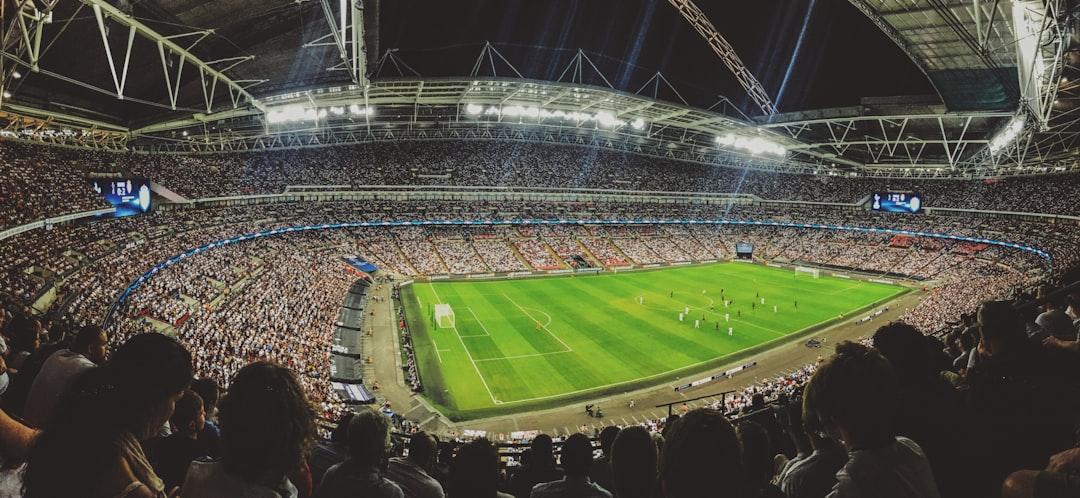
Key Takeaways
As the world watches the latest iteration of the FIFA World Cup, the focus has shifted from the pitch to the control room. England’s recent advancement to the next stage of the tournament should have been a moment of national celebration. Instead, it has become the epicenter of a growing firestorm regarding the intersection of sports and technology.
What was supposed to be a showcase of peak athletic performance has instead turned into a masterclass in technical frustration. Fans and pundits alike are now questioning the reliability of the systems designed to ensure fairness, as a series of unexplained anomalies have cast a shadow over the legitimacy of the match results.
In a moment that fans are already calling the "Cable of God," a critical camera angle—one that could have provided a definitive answer to a crucial offside call—suddenly went dark. The failure occurred at the exact moment of impact, leaving the Video Assistant Referee (VAR) team without the necessary visual data to make an informed decision.
This is not the first time technology has faltered on the world stage, but the timing of this blackout has fueled intense speculation. Conspiracy theories are circulating on social media, with critics suggesting that the failure might have been more than just a simple hardware malfunction.
- The Technical Gap: Stadium infrastructure remains a point of contention for global organizers.
- Data Integrity: How do we ensure that critical match-deciding data is protected from interference or failure?
- Fan Sentiment: Trust in automated officiating systems has hit an all-time low following this incident.
Beyond the technical glitch, the officiating team’s reliance on the remaining, less-than-ideal camera angles led to a decision that has polarized the footballing world. Despite the lack of clear evidence, the VAR team upheld the initial ruling on the field, a move that critics describe as "guessing rather than officiating."
This incident highlights the inherent tension between human judgment and artificial intelligence in sports. While VAR was implemented to eliminate human error, it has instead introduced a new layer of ambiguity. When the technology fails, the human officials are left in a vacuum, forced to make split-second decisions based on incomplete information.
This latest controversy serves as a wake-up call for FIFA and other governing bodies. If the goal is to utilize AI and advanced imaging to create a more equitable game, the hardware supporting these systems must be bulletproof.
- Redundancy is Essential: Future setups must include multiple, independent data streams that cannot be taken down by a single "cable" failure.
- Transparency in Communication: The lack of immediate explanation from match officials exacerbated the public outcry. Real-time transparency is needed.
- Human-in-the-Loop Refinement: We must re-evaluate how much weight is given to AI suggestions when the primary visual evidence is compromised.
England moves on, but the questions remain. As technology continues to weave itself into the fabric of professional sports, the margin for error shrinks. Fans are no longer just cheering for their teams; they are scrutinizing the pixels, the cables, and the algorithms that define victory.
Whether this is a genuine technical failure or a symptom of a larger, systemic issue within the tournament’s infrastructure, one thing is certain: the conversation surrounding VAR and AI in football is far from over. As we look toward the remainder of the tournament, the pressure on organizers to provide a transparent and error-free environment will only continue to mount. The integrity of the game depends on it.
Enjoying this article?
Get the daily AI briefing sent straight to your inbox.
Frequently Asked Questions
What is the 'Cable of God' incident in the World Cup?
It refers to a critical camera failure that occurred at a pivotal moment, preventing VAR from reviewing a controversial offside call.
Why are fans questioning VAR's integrity?
Fans are concerned that technical malfunctions and opaque decision-making processes are undermining the fairness that VAR was originally intended to provide.
Comments
0Please sign in to leave a comment.
Related articles
Controversy at the World Cup: Was England’s Equalizer Aided by Spidercam?
A quarter-final clash between England and Norway has sparked a massive debate over technology interference after claims that a Spidercam altered the ball's trajectory.
Bellingham Goal Controversy: Tech Replay Clears Spidercam Interference
Norway’s World Cup dreams end in frustration after a controversial goal, prompting a deep dive into the technology behind match-deciding officiating.

England's World Cup Semi-Final Dilemma: Who Should Start?
With England securing a spot in the World Cup semi-finals, the debate over the starting lineup reaches a fever pitch. We break down the key tactical choices.