- England suffered a decisive loss to Argentina in the 2026 World Cup, leading to heavy criticism of manager Thomas Tuchel.
- Tactical stagnation and a failure to respond to Argentina’s second-half adjustments were cited as primary reasons for the defeat.
- Tuchel’s post-match admission of having no answers has raised questions about his long-term future with the team.
- The defeat highlights a critical need for greater tactical flexibility within the England squad.
England’s World Cup Heartbreak: Is Thomas Tuchel to Blame for Argentina Loss?
As the dust settles on a tactical masterclass by Argentina, questions mount regarding Thomas Tuchel’s strategic approach and future with the Three Lions.
Jul 15, 2026·0 views
Key Takeaways
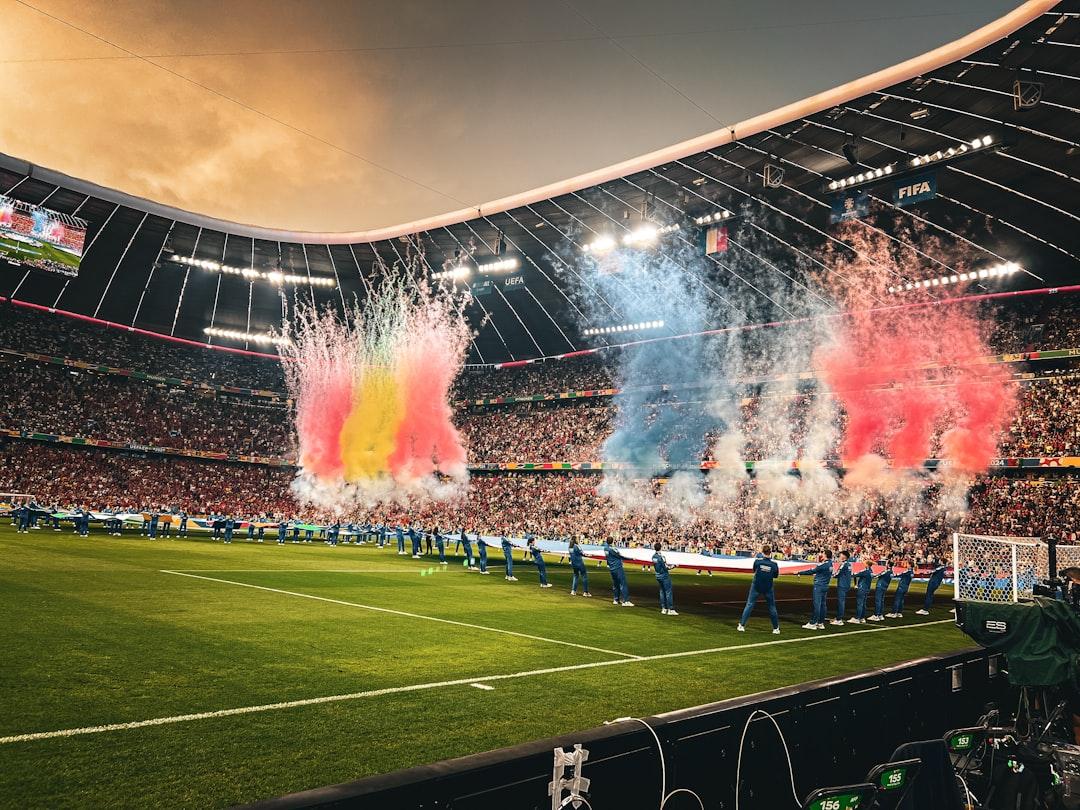
The atmosphere at the stadium was electric, but for England fans, the final whistle signaled a familiar, crushing disappointment. In a high-stakes showdown that many anticipated would be the defining match of the 2026 World Cup, England succumbed to a resilient Argentina side. While the loss has sparked a nationwide debate, the spotlight has fallen squarely on manager Thomas Tuchel, whose tactical decisions have come under fire following a second-half collapse.
England entered the match with high expectations, bolstered by a squad brimming with world-class talent and a manager renowned for his tactical acumen. However, once the ball began to roll, the fluidity that characterized England’s earlier tournament performances seemed to evaporate. The question now echoing through football circles is simple yet damning: did Tuchel fail to prepare his side for Argentina’s tactical evolution?
For the first forty-five minutes, England appeared to be in control. They moved the ball with intent and neutralized Argentina’s primary threats. Yet, as the teams emerged from the tunnel for the second half, a visible shift occurred. Argentina’s coaching staff implemented a series of adjustments that seemed to catch Tuchel entirely off guard.
Critics point to a lack of proactive substitutions and a failure to adjust the defensive line as the primary reasons for the shift in momentum. As Argentina increased their pressing intensity, England’s midfield became isolated. Tuchel, known for his rigorous attention to detail, seemed unable to provide the necessary instructions to stabilize his squad during the most volatile moments of the match.
- Midfield Isolation: The lack of support for England’s holding midfielders allowed Argentina to dominate the transition game.
- Defensive Vulnerability: High-pressing tactics from Argentina exploited gaps in the full-back positions that remained unaddressed for too long.
- Substitutional Delay: Fans and pundits alike questioned why fresh legs were not introduced sooner to combat the rising fatigue of the starting eleven.
In the immediate aftermath of the defeat, Thomas Tuchel’s demeanor in the press conference was notably somber. When pressed by journalists on the specific tactical shifts that led to Argentina’s breakthrough, the manager offered little in the way of explanation. This lack of transparency has only fueled further speculation among the English faithful.
Tuchel admitted that he "didn't have any answers" for Argentina’s second-half heroics. For a coach of his pedigree, such an admission is rare and, to many, alarming. It suggests a disconnect between the tactical plan devised in the training ground and the reality of the high-pressure environment of a World Cup knockout match.
As the tournament progresses without England, the Football Association faces a crossroads. Is Thomas Tuchel the right man to lead this generation of players into the next cycle, or has the magic that brought him to the role worn off?
- Re-evaluating Tactical Flexibility: The modern game requires managers to be agile. Tuchel’s rigidity in the face of Argentina’s adjustments serves as a stark lesson for the future.
- Player Development: The squad remains one of the most talented in the world. The focus must now shift to ensuring that these players are utilized in systems that maximize their individual strengths.
- Communication and Leadership: The morale of the team will be tested in the coming months. Restoring faith in the manager’s vision will be a priority for both the coaching staff and the team leadership.
While the sting of defeat is still fresh, the narrative of the 2026 World Cup continues to evolve. For England, the focus shifts to internal reflection and the difficult task of rebuilding a team that remains on the cusp of glory, yet continues to fall short on the biggest stage. The responsibility for this outcome will likely be debated for years to come, but for now, Tuchel remains the focal point of a nation's collective frustration.
Enjoying this article?
Get the daily AI briefing sent straight to your inbox.
Frequently Asked Questions
Was Thomas Tuchel at fault for England's World Cup loss?
While the loss was a team effort, critics point to Tuchel's failure to adjust to Argentina's second-half tactics as a primary factor in England's defeat.
What specifically went wrong for England against Argentina?
England struggled with midfield isolation, defensive gaps exploited by Argentina, and a lack of timely substitutions to combat momentum shifts.
Comments
0Please sign in to leave a comment.
Related articles
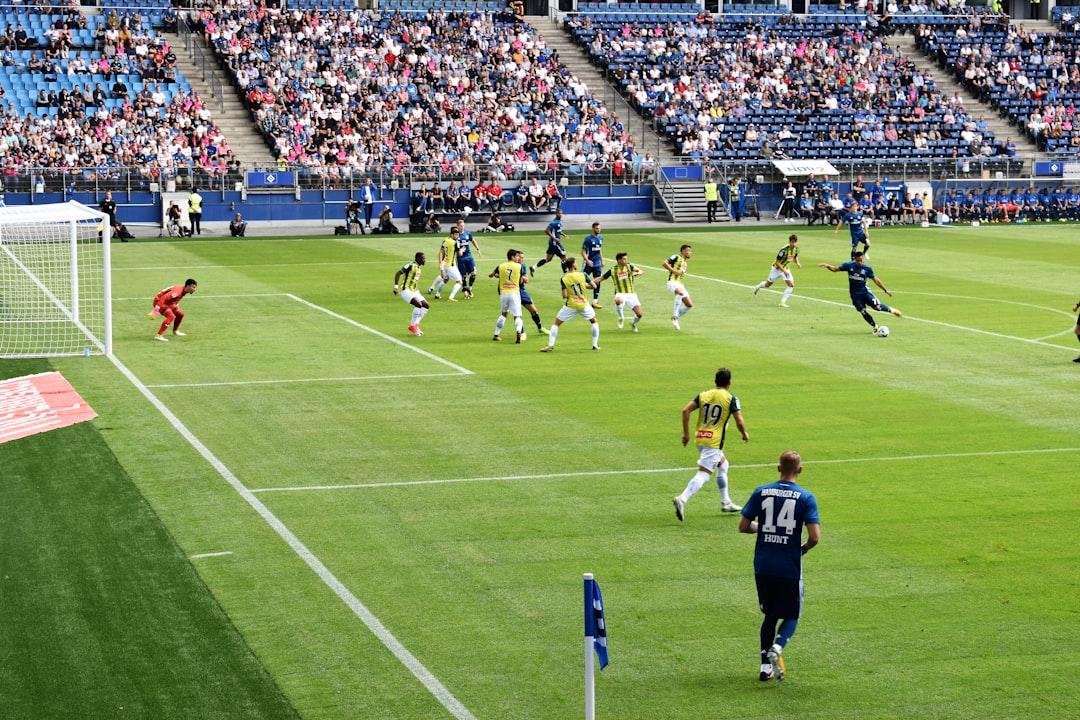
Tactical Stagnation: Did Defensive Caution Derail England’s World Cup Hopes?
A deep dive into the tactical decisions that defined England's recent World Cup campaign and whether defensive rigidity remains a barrier to international success.
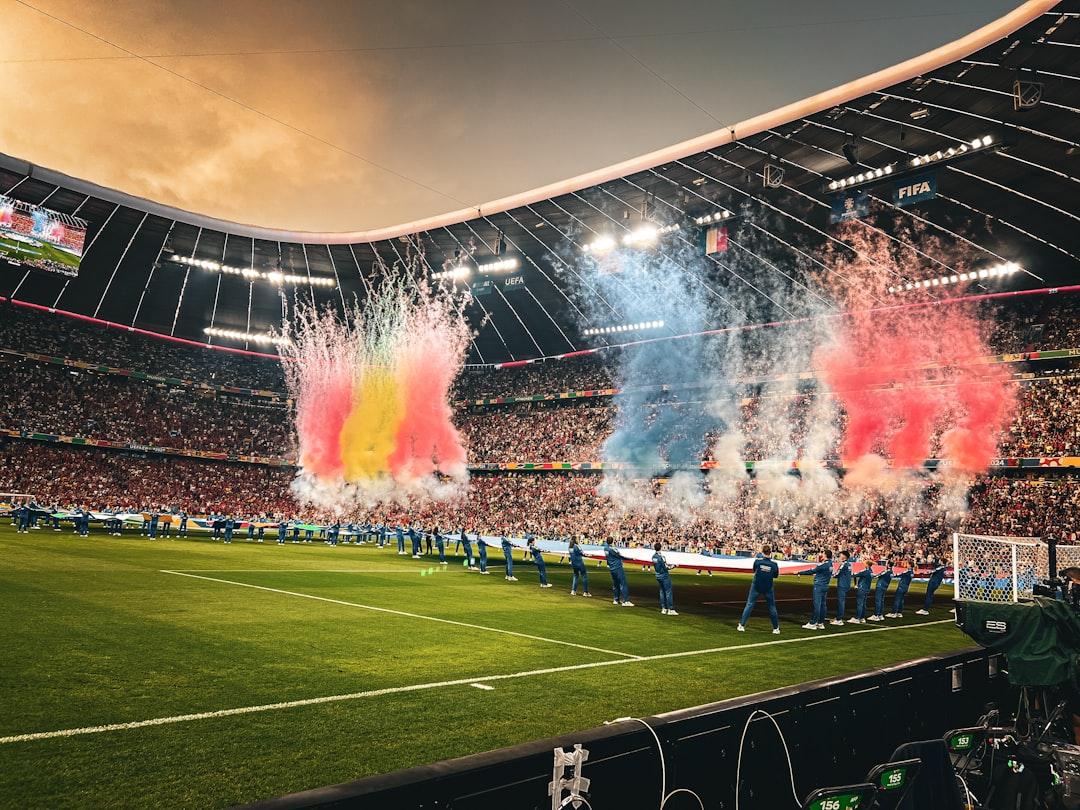
Argentina Edges England 2-1 in Thrilling Semifinal: The Road to the Final
Argentina secures a dramatic 2-1 victory over England to reach the World Cup final, as tactical errors prove costly for Thomas Tuchel’s side.
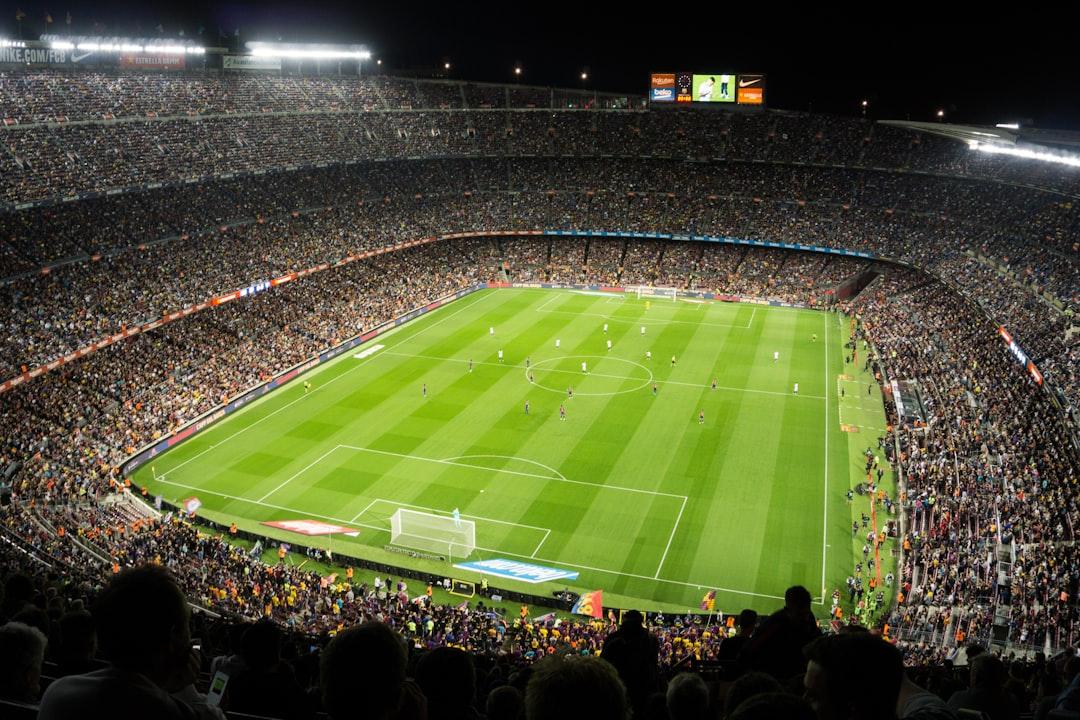
Tensions Boil Over: Jude Bellingham Faces Scrutiny After Semifinal Clash
Jude Bellingham is under fire after a volatile semifinal exit, with footage appearing to show an altercation with Argentina’s Valentín Barco.