- Renewables were the largest source of global energy supply growth in 2025.
- Europe faces a critical need for grid modernization to maintain its energy transition.
- India and China face the challenge of balancing industrial growth with coal phase-outs.
- Cleantech is now the most cost-effective option for new energy capacity.
Energy Institute Report: Why Europe, India, and China Must Pivot to Cleantech
New data from the 75th Statistical Review of World Energy highlights a critical turning point for global energy reliance and the urgent need for renewable adoption.
Jul 16, 2026·0 views
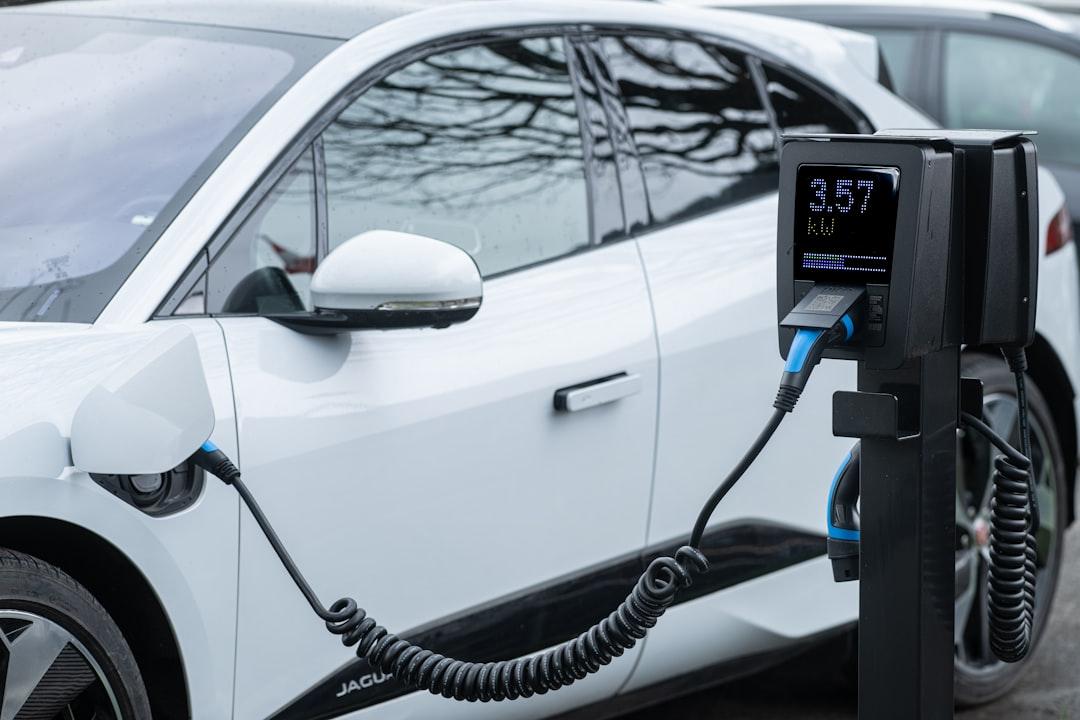
Key Takeaways
The 75th edition of the Statistical Review of World Energy, published by the Energy Institute, has sent a clear signal to policymakers in Europe, India, and China: the era of fossil fuel dominance is facing an unprecedented challenge, and the speed of the transition is now a matter of economic and environmental security. While solar and wind have dominated the headlines, the underlying data reveals a more complex narrative regarding the reliance on traditional energy sources in the world’s most populous and industrialized regions.
According to the report, renewables—led primarily by solar energy—emerged as the largest source of energy supply growth globally throughout 2025. This is a monumental shift that underscores the scalability of photovoltaic technology. However, the data also highlights that the total primary energy demand continues to climb, meaning that renewables are currently in a race against rising consumption. For major players like India and China, who are undergoing rapid industrial expansion, the challenge is not just adding renewables, but replacing coal-fired baseload power with clean alternatives at a speed that matches their economic growth.
Europe finds itself in a unique position. Having significantly decoupled from traditional gas dependencies following the geopolitical shifts of recent years, the continent is doubling down on cleantech. Yet, the Energy Institute’s data suggests that efficiency gains are only half the battle. To maintain its competitive edge in global manufacturing, Europe must integrate large-scale energy storage and grid modernization. The report indicates that without a faster adoption of cleantech, the region risks volatile energy pricing that could stifle its ambitious climate goals.
For India and China, the stakes are arguably higher. Both nations are experiencing the highest growth in energy demand globally. The graph provided in the latest review illustrates a stark reality: if these nations continue to rely on coal to power their industrial sectors, they will inevitably face higher carbon costs and potential trade barriers as the rest of the world moves toward green supply chains.
- India's Opportunity: With vast solar potential, India is positioned to become a global leader in green hydrogen production, provided it can secure the necessary investment to modernize its transmission infrastructure.
- China's Dominance: While China is currently the world’s largest manufacturer of solar panels and wind turbines, it remains the largest consumer of coal. The transition for China is not a lack of technology, but a logistical challenge of decommissioning massive fossil fuel infrastructure while maintaining grid stability.
Beyond the environmental imperative, the case for cleantech is increasingly economic. The Energy Institute data shows that the cost-per-megawatt-hour for renewables has continued to plummet, making them the most cost-effective solution for new capacity. Regions that delay the transition are essentially choosing to lock themselves into higher operational costs for the next three decades.
Furthermore, the integration of Artificial Intelligence in energy management systems is providing a new layer of efficiency. By using predictive analytics to balance loads and manage intermittency, countries can now integrate higher percentages of renewables into their grids than was thought possible even five years ago. For Europe, India, and China, the message is clear: the technology is ready, the economics are favorable, and the only remaining hurdle is the speed of implementation.
The findings from the 75th Statistical Review of World Energy serve as a roadmap for the next decade. As we look toward 2026 and beyond, the divergence between economies that embrace this transition and those that cling to legacy systems will likely define the global economic hierarchy. Cleantech is no longer a niche interest; it is the backbone of future industrial policy, energy security, and long-term economic prosperity.
Enjoying this article?
Get the daily AI briefing sent straight to your inbox.
Frequently Asked Questions
Why is cleantech adoption urgent for China and India?
These nations have the highest energy demand growth globally; relying on coal risks higher carbon costs and trade barriers, while renewables offer cheaper, long-term energy security.
What does the 75th Statistical Review of World Energy show?
It highlights that while renewables are growing rapidly, total global energy demand is also increasing, necessitating a faster shift away from fossil fuels.
Comments
0Please sign in to leave a comment.
Related articles
Arizona Debuts First NEVI-Funded EV Fast Chargers: What Drivers Need to Know
Arizona has officially launched its first three NEVI-funded DC fast-charging stations, strategically placed to bolster travel along major interstate corridors.

BYD Unveils High-Performance 5-Seat Electric SUV with 690 HP
BYD has officially revealed its latest tech-focused flagship electric SUV, boasting 690 horsepower and a futuristic cabin design.
Priority Bicycles Unveils E-Sauce: The Electric Evolution of a Cult Classic
Priority Bicycles has officially electrified its playful Sauce model, introducing the E-Sauce to bridge the gap between simple urban commuting and high-performance e-biking.