- AI is shifting from simple chatbots to complex, interconnected platforms.
- Agentic workflows are replacing manual prompt-based interactions.
- Enterprises are prioritizing AI infrastructure over standalone features.
- Open standards are crucial to preventing vendor lock-in as systems mature.
EmTech AI 2026: The Shift from Chatbots to Integrated AI Platforms
As the industry moves beyond simple conversational interfaces, developers are building complex, interconnected ecosystems that redefine how we interact with technology.
Jul 8, 2026·0 views
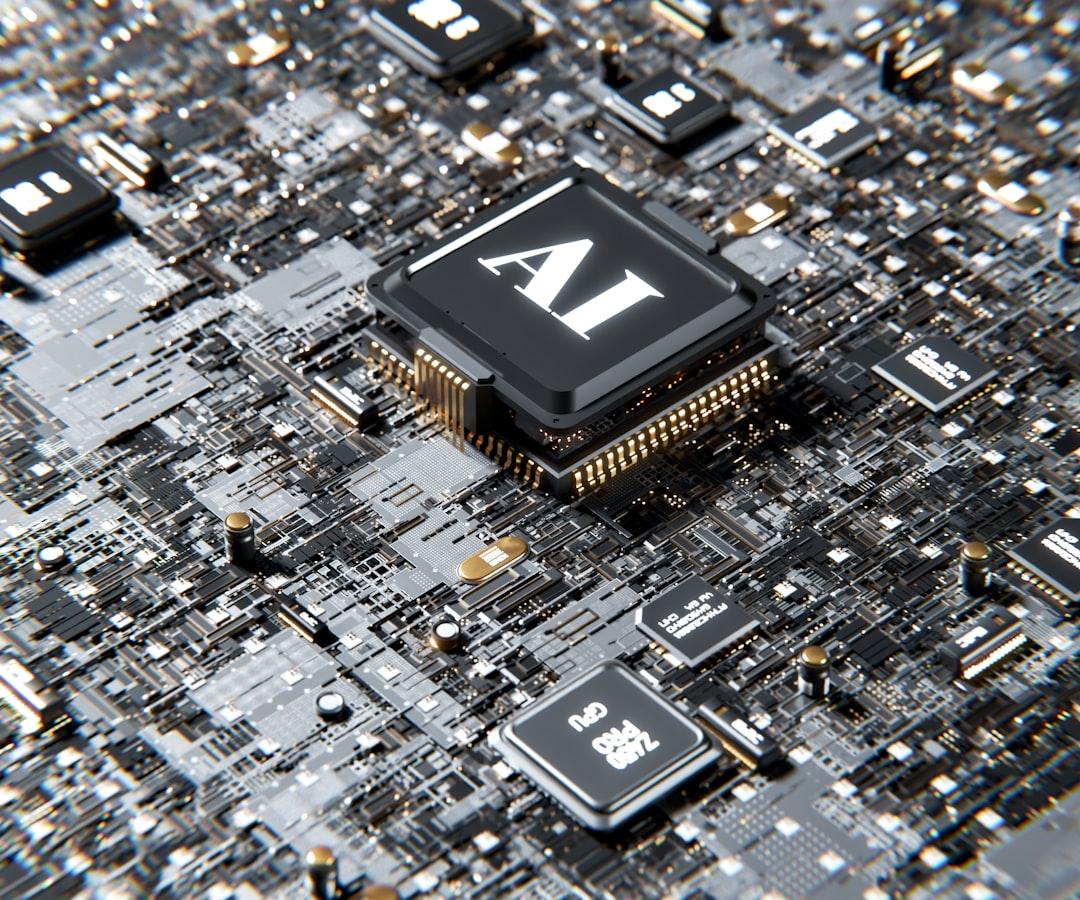
Key Takeaways
The landscape of artificial intelligence is undergoing a seismic shift. At the EmTech AI 2026 conference, industry leaders and researchers converged to discuss a transition that has been brewing for years: the move away from the 'chatbot-first' era toward the rise of the comprehensive AI platform. While 2023 and 2024 were defined by the novelty of generative interfaces, 2026 is being marked by the quiet, powerful integration of AI into the very fabric of enterprise and consumer software.
For many years, the primary way humans interacted with AI was through a prompt box. Today, that model is increasingly being viewed as a legacy approach. The new paradigm focuses on 'agentic' workflows and interconnected systems that anticipate needs, execute multi-step tasks, and manage data across disparate software silos without constant human intervention.
Industry experts at the summit highlighted that the 'chat' interface, while intuitive, is often a bottleneck. It requires the user to know exactly what to ask and how to ask it. The next generation of AI platforms aims to remove this friction by operating in the background. These systems act as intelligent layers that sit between users and their data, orchestrating workflows rather than just answering questions.
Key advancements driving this shift include:
- Agentic Orchestration: AI agents that can navigate third-party software, manage calendars, and execute complex financial or technical tasks autonomously.
- Cross-Platform Interoperability: Systems that move beyond proprietary walls, allowing AI to pull context from various applications like CRM, ERP, and communication tools.
- Predictive Context Awareness: Instead of waiting for a prompt, modern platforms analyze user behavior to suggest actions or automate repetitive processes proactively.
For businesses, this move to an AI-platform model is not just a technological upgrade; it is a financial imperative. Companies are no longer looking for 'AI features'—they are looking for 'AI infrastructure.' The goal is to reduce the cognitive load on employees and eliminate the 'swivel-chair' work that characterizes modern office life, where employees spend significant time moving data between incompatible software platforms.
During the keynote presentations, analysts noted that organizations investing in integrated AI platforms are seeing a 30% increase in productivity compared to those still relying on fragmented chatbot tools. The challenge, however, remains in data governance and security. As these platforms gain more agency, the need for robust, transparent guardrails becomes paramount.
One of the most debated topics at EmTech AI 2026 was the necessity of open standards. As AI platforms become more powerful, there is a legitimate concern regarding 'vendor lock-in.' If an entire enterprise is built on the infrastructure of a single AI provider, the risks of service disruption or price hikes increase significantly.
Several tech leaders argued that for the industry to reach its full potential, we need a common language for AI agents to communicate. This would allow a marketing agent from one company to seamlessly exchange data with a supply chain agent from another, creating a truly global, interconnected digital economy. While the path to such standardization is fraught with competitive tensions, the pressure from enterprise clients is mounting to make these systems more modular and flexible.
As we look toward the remainder of 2026 and into 2027, the focus will undoubtedly be on refinement. The 'AI Platform' is no longer a future concept; it is the current standard for high-performing technology companies. The next phase will involve making these systems more explainable and ensuring that the 'black box' nature of neural networks does not hinder critical decision-making processes.
Ultimately, the rise of the AI platform signifies a maturation of the industry. We are moving from the 'wonder' phase of generative AI into the 'utility' phase. As these tools become more invisible and integrated, their impact on our daily lives will only grow, turning AI from a novelty into an essential, underlying utility of the modern digital world.
Enjoying this article?
Get the daily AI briefing sent straight to your inbox.
Frequently Asked Questions
What is an AI platform in the context of 2026?
An AI platform is an integrated system that connects various software applications and data sources, allowing AI agents to perform complex, multi-step tasks autonomously rather than just answering user prompts.
Why are companies moving away from chatbots?
Chatbots are often limited by the need for manual user prompts and lack the deep integration required to execute complex, cross-platform business workflows efficiently.
Comments
0Please sign in to leave a comment.
Related articles
Elon Musk Pledges SpaceX Equity to Every American Child in Bold Wealth Initiative
Elon Musk has announced a historic plan to grant SpaceX shares to every child in America, a move valued at over $10 billion.
Apple Cracks Down on 'Nudify' AI Apps in App Store Policy Overhaul
Apple is taking aggressive action against 'nudify' apps that hide their true functionality to bypass security screenings.
Holo4: The New Frontier in Generalist Computer-Use AI Agents
H-Company’s latest release, Holo4, marks a significant leap in AI-driven computer interaction, enabling agents to operate across diverse software ecosystems.