- Egypt suffered a historic collapse, losing a two-goal lead in the final minutes of a World Cup qualifier.
- Tactical failures, including a lack of midfield control and poor defensive communication, were cited as primary causes.
- The loss significantly complicates Egypt's qualifying campaign for the 2026 FIFA World Cup.
- The result has sparked intense debate regarding the team's mental resilience and management strategies.
Egypt’s World Cup Collapse: A Dramatic Lesson in Football Fragility
A historic late-game turnaround has left fans stunned, marking one of the most improbable comebacks in recent international football history.
Jul 8, 2026·0 views
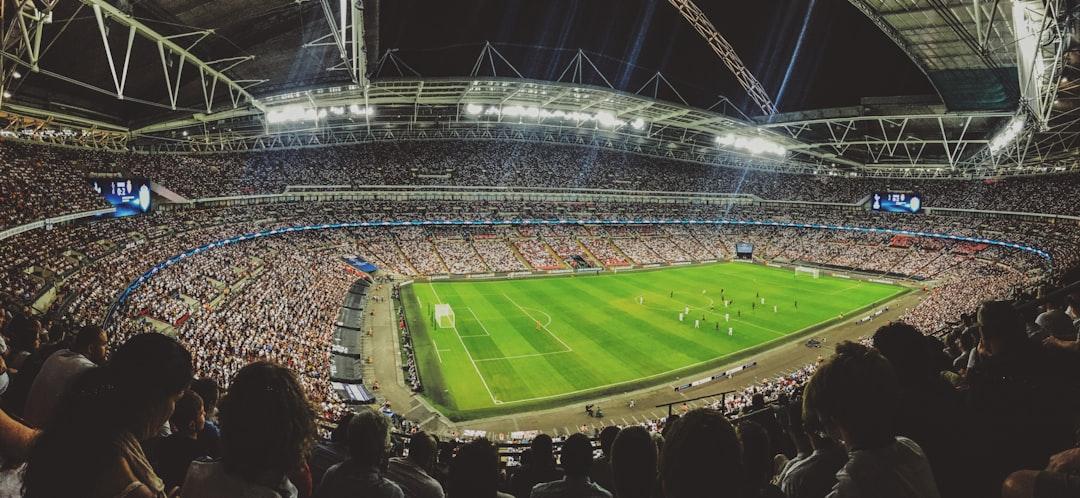
Key Takeaways
In the high-stakes theater of international football, few things are as haunting as the sudden evaporation of a lead. For the Egyptian national team, a recent World Cup qualifying fixture transformed from a routine victory into a haunting chapter of sporting history. The match, which saw the Pharaohs surrender a two-goal advantage in the dying embers of regulation time, has sparked a national conversation about mental fortitude, tactical discipline, and the thin margins that define success on the road to the 2026 FIFA World Cup.
For nearly eighty minutes, the script appeared to be written in Egypt’s favor. The team controlled the tempo, utilized their technical superiority, and seemingly neutralized their opponent's primary threats. Yet, as the clock ticked toward the final whistle, the atmosphere shifted. What transpired in those final moments was not merely a lapse in concentration, but a total psychological breakdown that allowed their opponents to seize a victory that seemed statistically impossible.
Football analysts have spent the last week dissecting the tactical errors that led to this historic collapse. When a team is two goals ahead with less than ten minutes remaining, the traditional mandate is to ‘kill the game’—keeping possession, minimizing risks, and forcing the opposition to defend in deep blocks. Instead, Egypt’s defensive line retreated too far, ceding space in the midfield that allowed the opposition to launch a series of high-intensity, direct attacks.
Key factors contributing to the collapse included:
- Loss of Midfield Control: As the fatigue set in, the central pivot failed to track runners, allowing the opposition to overload the final third.
- Defensive Indecision: A breakdown in communication between the center-backs and the goalkeeper led to unforced errors, gifting the opposition crucial momentum.
- Psychological Fatigue: The pressure of World Cup qualification appeared to weigh heavily on the squad, leading to tentative decision-making when composure was required most.
This result is more than just a single loss; it is a significant setback for Egypt’s ambitions for the 2026 FIFA World Cup. With the qualifying path becoming increasingly congested and competitive, dropped points against lower-ranked opposition are costly. The mental toll of such a collapse can be lingering, often forcing managers to undergo radical personnel changes to restore confidence within the dressing room.
For the fans, the heartbreak is palpable. Football in Egypt is not merely a sport; it is a cultural cornerstone. The expectation of excellence is high, and the failure to secure points from a winning position has prompted calls for a thorough review of the current coaching staff’s approach to game management. Whether this serves as a catalyst for growth or the beginning of a downward spiral remains to be seen.
History is littered with similar ‘bottling’ incidents, from the famous Champions League comebacks to international tournament shocks. The difference between elite teams and those that struggle lies in their ability to weather the storm during the final minutes of a match. Elite squads possess ‘closers’—players who understand the necessity of slowing the game down and managing the clock.
Moving forward, the Egyptian national team must reconcile with the reality that talent alone is insufficient. The upcoming fixtures in the qualifying cycle will require a more resilient mentality. If they are to book their ticket to the 2026 tournament, they must prove that this collapse was an anomaly rather than a systemic flaw. The coaching staff faces the difficult task of rebuilding a fractured defense while keeping the attacking unit motivated. The journey to the World Cup is a marathon, not a sprint, and while this loss hurts, the path to redemption starts with the very next kickoff.
Enjoying this article?
Get the daily AI briefing sent straight to your inbox.
Frequently Asked Questions
What happened during the Egypt World Cup qualifying match?
Egypt surrendered a two-goal lead in the final minutes of the game, resulting in a surprising loss to their opponents.
Why is this loss significant for Egypt's 2026 World Cup hopes?
The loss represents a major setback in the qualifying cycle, forcing the team to recover quickly to remain competitive for the tournament.
Comments
0Please sign in to leave a comment.
Related articles
Athletic Club Crisis: Gorka Guruzeta Out for Season With ACL Injury
Athletic Club confirms Gorka Guruzeta will miss the remainder of the season after suffering a season-ending cruciate ligament injury against Valencia CF.
Napoli Star Alisson Santos Faces Another Injury Setback After Return
Napoli’s momentum hits a snag as Alisson Santos suffers a fresh injury blow immediately following his return to the pitch.
Kamari Doyle Urges Leicester City to Build Momentum After Doncaster Victory
Leicester City midfielder Kamari Doyle believes the club's recent triumph over Doncaster is the catalyst needed to spark a consistent winning streak.