- Eight Attorneys General are suing the Trump administration over $2 billion in energy settlements.
- The lawsuit claims federal funds were used to pay companies to abandon offshore wind and pivot to fossil fuels.
- Plaintiffs argue the payments were an illegal use of federal authority and harmful to climate goals.
- The outcome of this case could significantly impact the future of renewable energy infrastructure in the U.S.
East Coast States Launch Legal Challenge Against Trump Administration Energy Payoffs
A coalition of eight Attorneys General is taking federal action to block $2 billion in settlements that allegedly prioritize fossil fuels over offshore wind.
Jul 18, 2026·0 views
Key Takeaways
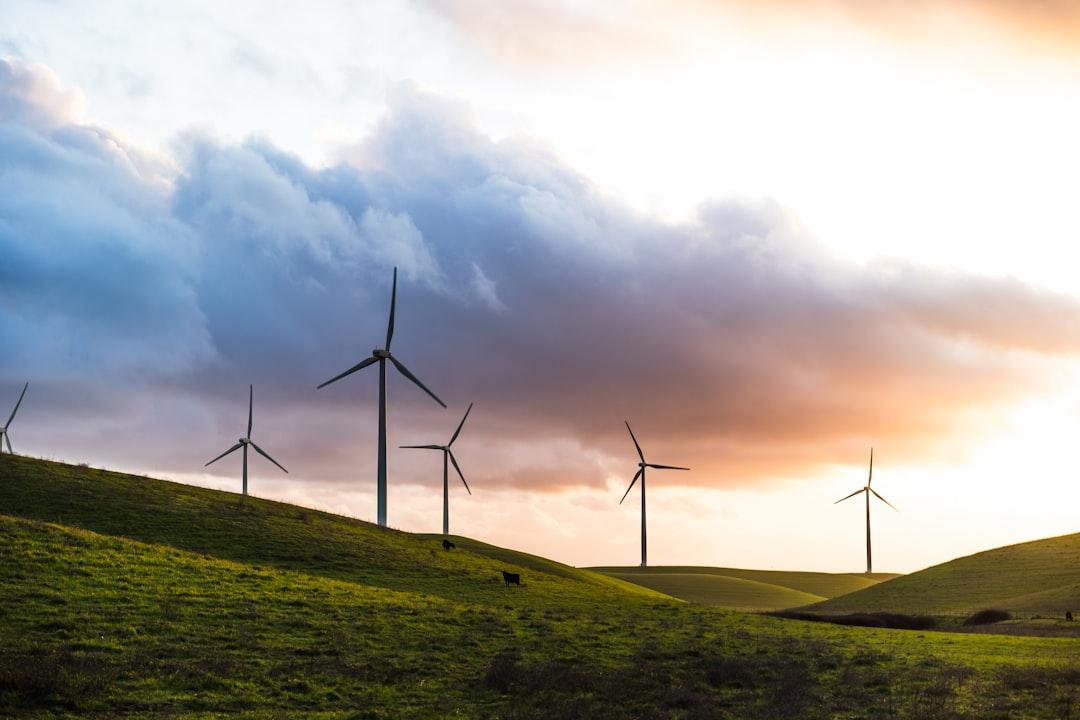
In a landmark legal maneuver that threatens to reshape the federal energy landscape, a coalition of eight East Coast Attorneys General has formally filed a notice of intent to sue the Trump administration. The litigation centers on a series of controversial financial settlements totaling nearly $2 billion, which the states allege were unlawfully funneled to energy companies to induce the abandonment of critical offshore wind projects.
The core of the complaint rests on the assertion that these payments were not standard regulatory settlements, but rather a strategic effort to dismantle the transition toward renewable energy. By providing financial incentives to pivot back to fossil fuel infrastructure, the plaintiffs argue that the administration has overstepped its legal authority and violated federal mandates regarding environmental oversight and administrative procedure.
The dispute stems from recent agreements made between federal agencies and major energy developers operating along the Atlantic seaboard. According to the filing, the terms of these settlements required companies to immediately cease development on long-planned offshore wind farms. In exchange, the companies received substantial federal payments, which the administration framed as compensation for regulatory uncertainty.
However, the Attorneys General contend that these agreements contain specific provisions requiring the recipients to reinvest the funds into fossil fuel exploration and existing natural gas infrastructure. This "quid pro quo" structure is the primary target of the upcoming litigation, as the states argue it constitutes an illegal use of taxpayer funds to subvert national climate goals.
- Unlawful Administrative Action: The states argue the administration acted without the necessary Congressional approval to distribute funds for the explicit purpose of discouraging renewable energy.
- Violation of Climate Statutes: The plaintiffs claim the move undermines multiple federal environmental protection acts that prioritize the growth of clean energy grids.
- Economic Harm: The states argue that the cancellation of these wind projects will lead to higher long-term energy costs for consumers and the loss of thousands of projected green-sector jobs.
The legal battle is expected to be lengthy, with constitutional experts suggesting that the case will likely reach a higher court due to the intersection of executive power and administrative law. For the states involved, the stakes are high; they have invested significant time and resources into integrating offshore wind into their regional power grids to meet aggressive carbon-reduction targets.
Industry analysts are watching the proceedings closely, noting that the $2 billion price tag represents one of the most significant direct federal interventions in the energy market in recent history. If the courts find in favor of the states, the ruling could force a reversal of these settlements, potentially leaving the administration liable for breach of contract or, conversely, forcing the energy companies to return the funds.
Beyond the courtroom, the lawsuit serves as a flashpoint for a broader debate regarding the future of the U.S. energy grid. Proponents of the lawsuit argue that the transition to wind energy is a matter of both national security and economic resilience. By stalling these projects, they argue, the country risks falling behind in the global race for renewable energy technology.
Conversely, supporters of the administration’s policy argue that the payments were a necessary step to ensure grid stability and prevent energy shortages that they claim would have resulted from a premature transition to intermittent power sources.
As the litigation moves forward, the focus will remain on whether the administration’s actions were a legitimate exercise of executive discretion or a calculated attempt to bypass the democratic process to favor specific industry interests. With the energy transition hanging in the balance, this case will undoubtedly serve as a pivotal moment for environmental law in the coming years.
Enjoying this article?
Get the daily AI briefing sent straight to your inbox.
Frequently Asked Questions
Why are the East Coast states suing the Trump administration?
The states are suing to challenge $2 billion in federal settlements that allegedly paid energy companies to abandon offshore wind projects in favor of fossil fuel development.
What is the primary argument of the Attorneys General?
The coalition argues that the payments were an unlawful exercise of executive power that violated federal environmental mandates and undermined long-term climate goals.
Comments
0Please sign in to leave a comment.
Related articles
Tesla Driver Asleep at Wheel in Crash Involving California Highway Patrol
Federal regulators and local authorities are investigating a serious Tesla collision in Fairfield, California, after a driver admitted to sleeping with FSD engaged.

Volkswagen Expands ID. Cross Lineup with New 37 kWh Battery Option
Volkswagen has introduced a new 37 kWh battery option for the ID. Cross, aiming to lower the entry price point for city-focused electric vehicle buyers.

Tesla’s Next-Gen Roadster: Engineering Marvel or Marketing Hyperbole?
Is the new Tesla Roadster a legitimate leap in automotive engineering, or are its 'flying' capabilities merely a marketing stunt? We dive into the physics.