- Drive Electric Month features over 150 events across the US and Canada throughout September and early October.
- The events focus on providing real-world ownership insights to help consumers transition away from gasoline-powered vehicles.
- Financial incentives and long-term cost savings are central themes for attendees.
- The program emphasizes the role of EVs in personal energy independence and residential renewable energy systems.
Drive Electric Month: How to Break Free from Rising Gas Prices
With over 150 events across North America, the annual celebration offers a roadmap for consumers looking to transition to electric mobility.
Sep 19, 2026·0 views

Key Takeaways
As the automotive landscape undergoes its most significant transformation in a century, the annual celebration of 'Drive Electric Month' has returned with renewed urgency. With over 150 events scheduled throughout the United States and Canada, the initiative serves as a primary resource for consumers navigating the complexities of transitioning from internal combustion engines to battery-electric vehicles (BEVs).
This year’s programming, which spans the entirety of September and extends into early October, arrives at a pivotal moment. Global oil markets remain volatile, and energy independence has become a top priority for households looking to insulate themselves from the unpredictable costs at the pump. For many, the hurdle to adoption is not a lack of interest, but a lack of firsthand experience.
The primary mission of Drive Electric Month is to demystify the ownership experience. While online research provides specifications and range estimates, there is no substitute for the practical insights gained from current EV owners. These events are designed to be low-pressure environments where prospective buyers can get their questions answered by those who have already made the switch.
- Real-World Ownership Insights: Engage with owners about charging habits, battery longevity, and maintenance requirements.
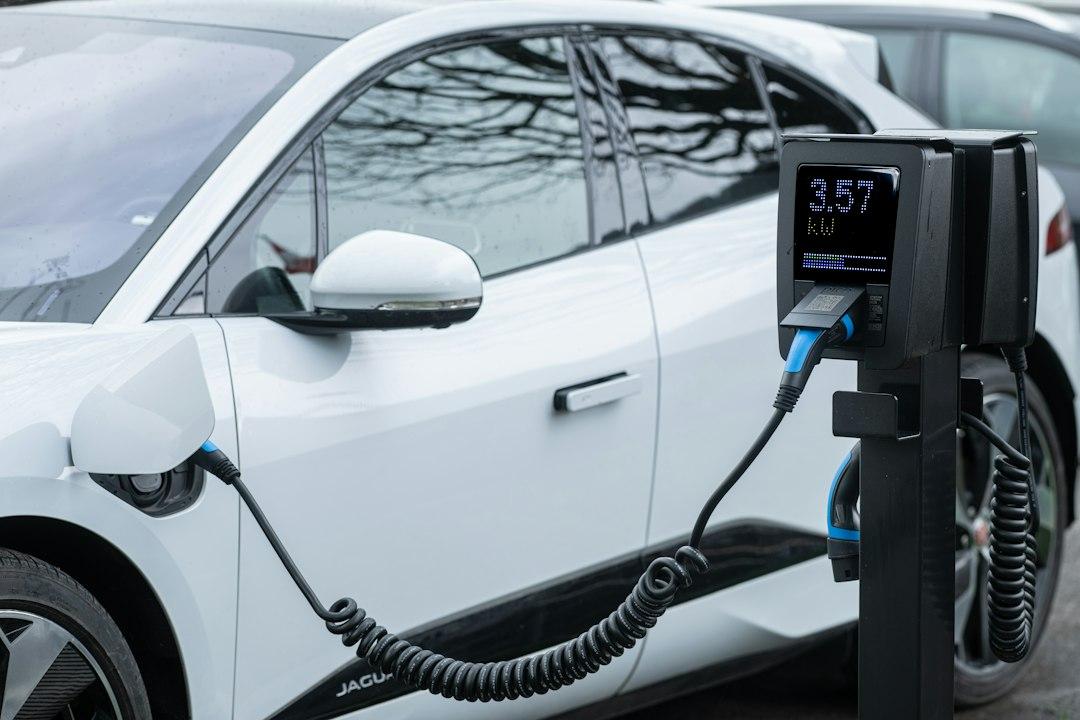
- Demystifying Charging Infrastructure: Learn how to navigate public charging networks and understand the realities of home charging installations.
- Incentive Education: Get direct guidance on federal tax credits, state-level rebates, and local utility incentives that can significantly lower the total cost of ownership.
- Hands-on Exploration: Experience the performance and quiet operation of various EV models, from budget-friendly commuters to high-performance long-range vehicles.
Beyond the environmental benefits, the economic argument for electric vehicles has become increasingly compelling. Despite the initial price premium associated with new technology, the lifetime cost of ownership—factoring in fuel savings and reduced maintenance needs—often tips the scales in favor of electricity.
"The goal is to show people that electric mobility isn't just for the early adopters or the wealthy," says one event organizer. "It is a practical, cost-effective solution for everyday families. When you look at the volatility of gas prices, the stability of home-generated or grid-supplied electricity offers a predictable budget advantage that many people are only just beginning to realize."
Energy independence is a recurring theme at this year’s gatherings. As homes become more integrated with renewable energy sources like solar panels and home battery storage systems, the electric vehicle is increasingly viewed as a key component of a larger ecosystem. Many events this month feature experts who explain how an EV can serve as a mobile energy storage unit, potentially powering the home during peak demand or outages.
For those who are not yet ready to purchase a vehicle, the events also provide essential information on the current state of public charging infrastructure. As the network expands, range anxiety—once the primary barrier to adoption—is becoming a relic of the past. Attendees can view maps of local charging corridors and learn how to use apps that make long-distance travel in an EV seamless.
Whether you are a skeptic, a curious consumer, or a prospective buyer, the remaining weeks of September offer ample opportunities to engage. With events held across almost every U.S. state, organizers are encouraging the public to look up their local listings.
By participating in these community-led initiatives, drivers are not just learning about cars; they are participating in a broader cultural shift toward sustainable and autonomous energy use. As the transition to electric continues to accelerate, events like these remain the most effective tool for demystifying technology and driving mass-market adoption.
Enjoying this article?
Get the daily AI briefing sent straight to your inbox.
Frequently Asked Questions
What is Drive Electric Month?
Drive Electric Month is an annual series of events held across North America designed to help the public learn about the benefits, costs, and practical realities of owning an electric vehicle.
Can I test drive cars at these events?
Many Drive Electric Month events allow attendees to see vehicles up close and speak with owners, though test drive availability depends on the specific local event host.
How can I find an event near me?
You can find local events by visiting the official Drive Electric Month website, which maintains a comprehensive map and schedule of all upcoming in-person and online gatherings.
Comments
0Please sign in to leave a comment.
Related articles
Spiny 2: The Friction-Drive Kit That Electrifies Your Bike in Seconds
Say goodbye to complex wiring and heavy motors; the Spiny 2 friction-drive system aims to make e-bike conversion accessible to everyone in mere seconds.
Lectric's Spooky Sale Leads Major Green Tech Savings This Week
Imai News highlights this week's top green technology discounts, featuring Lectric's e-bike bundles, Worx snow blowers, and Jackery power stations.
Canadian Buyers Delay EV Purchases While Awaiting Chinese Market Entry
Canadian EV shoppers are increasingly holding off on purchases, signaling a major shift in consumer preference toward Chinese automotive technology.