- Didier Deschamps concludes his 12-year tenure as the manager of the French national team.
- His legacy is defined by the 2018 World Cup victory and a period of sustained international consistency.
- The recent World Cup exit highlighted a need for a tactical evolution within the French squad.
- The French Football Federation faces the challenge of selecting a successor to maintain the team's elite status.
Didier Deschamps Era Ends: Reflections on a Historic French Football Chapter
After over a decade of dominance, the curtain falls on the most decorated tenure in French national team history.
Jul 14, 2026·0 views
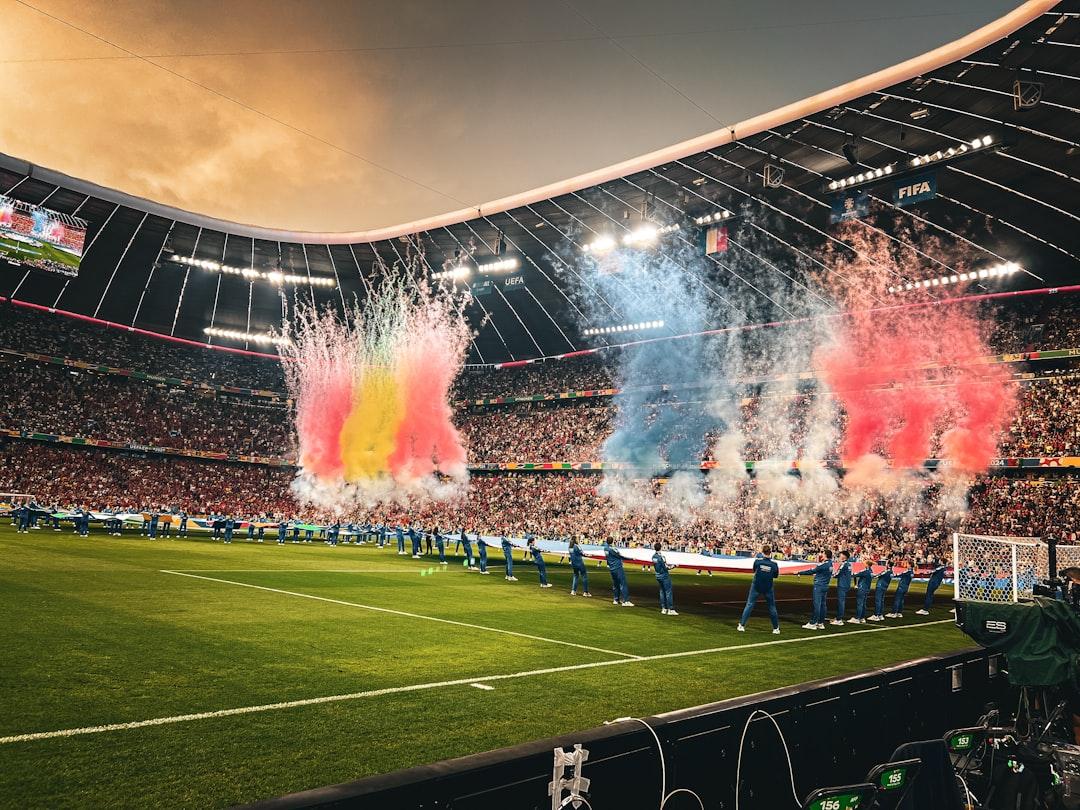
Key Takeaways
The landscape of international football changed irrevocably this week as the Football Federation of France confirmed that Didier Deschamps will step down from his role as head coach. The announcement follows a poignant exit from the World Cup, culminating in a third-place play-off match that felt a world away from the trophy-laden heights this squad has occupied for the better part of a decade.
For Deschamps, the end of his tenure is not marked by the glitz of a championship parade, but by the quiet introspection of a manager who defined a generation. Since taking the reins in 2012, he has been the steady hand guiding Les Bleus through a period of sustained, high-stakes excellence that few nations in the history of the sport have managed to replicate.
When Deschamps took over, he inherited a team fractured by internal strife and inconsistent performances. His primary objective was to restore order and discipline—a task he performed with surgical precision. Over the next twelve years, he transformed the French national team into a ruthless winning machine.
His tactical philosophy, often debated by purists for its pragmatic approach, was undeniably effective. Deschamps prioritized structural integrity and the deployment of talent in roles that maximized their defensive contributions while allowing individual stars the freedom to break games open. Under his guidance, France achieved:
- A World Cup title in 2018, showcasing a perfect blend of youth and veteran leadership.
- A UEFA Nations League triumph, solidifying their status as a European powerhouse.
- Consistent deep runs in major tournaments, maintaining a top-tier FIFA ranking for nearly his entire tenure.
Despite the glowing statistics, the final chapter of the Deschamps era has been marked by a palpable sense of fatigue. Critics have pointed to a disconnect between the manager’s conservative tactical setups and the evolving, high-tempo nature of modern football. As the game has shifted toward high-press systems and fluid, positionless play, the French squad often appeared to be playing with the handbrake on.
This World Cup exit was, in many ways, the culmination of those underlying tensions. While the talent pool remains the envy of the global game, the cohesion that defined the 2018 championship squad seemed to have evaporated. The departure in the third-place play-off serves as a somber bookend to a story that began with immense promise and delivered unparalleled success.
The question now facing the French Football Federation is not just who will replace Deschamps, but how they will pivot. The next manager will inherit a roster bursting with generational talent, yet they will also face the immediate pressure of managing expectations in a post-Deschamps world.
There is no shortage of candidates, from tactical innovators currently managing in the Champions League to legends of the game seeking their first major international post. However, replicating the stability Deschamps provided will be the true challenge. Stability, after all, is the rarest commodity in international football management.
Beyond the tactics and the trophies, Deschamps will be remembered for his ability to manage egos. Coaching a team with the level of talent found in the French squad is often described as managing a collection of superstars rather than a cohesive unit. Deschamps managed to keep the locker room focused, navigated high-pressure media cycles, and maintained a sense of national pride that resonated with fans across the country.
As he exits the stage, the football world takes a moment to acknowledge the sheer longevity of his service. In an era where coaches are discarded at the first sign of a slump, Deschamps’ twelve-year run stands as a testament to the value of patience and the belief in a singular, long-term vision. Whether or not his methods were always popular, their success remains etched into the history books of the sport.
Enjoying this article?
Get the daily AI briefing sent straight to your inbox.
Frequently Asked Questions
Did Didier Deschamps resign from the French national team?
Yes, it has been confirmed that Didier Deschamps is stepping down from his position as head coach of the French national team following their exit from the World Cup.
What is Didier Deschamps' legacy with France?
Deschamps is remembered for restoring discipline and leading France to a World Cup title in 2018, maintaining the team as a top-tier global power for over a decade.
Comments
0Please sign in to leave a comment.
Related articles
Alan Shearer Reflects on 1998 Heartbreak and England's Path to Glory
Alan Shearer opens up about the lasting sting of the 1998 World Cup and why the modern England generation is finally ready to claim a major trophy.
The Alchemy of Argentina: How Messi Found His Ultimate Squad Synergy
Discover how Argentina transformed its national team identity to unlock Lionel Messi’s full potential, blending tactical freedom with deep personal bonds.
Alan Shearer: Why England’s Current Squad Can Rewrite 1998 World Cup Heartbreak
Alan Shearer opens up about the lingering sting of England's 1998 World Cup exit, offering a masterclass on how the current squad can overcome past national trauma.