- Didier Deschamps is chasing historic status as one of the greatest managers in football history.
- The French national team has evolved into a versatile, high-tempo squad under his leadership.
- Rising international challengers like Morocco highlight the increasing difficulty of winning consecutive titles.
- Deschamps' legacy is built on squad cohesion and consistent performance over a decade-long tenure.
Didier Deschamps and France: Pursuing World Cup Immortality
As France eyes another historic World Cup title, Didier Deschamps stands on the precipice of cementing his status as the greatest manager in international football history.
Jul 9, 2026·2 views
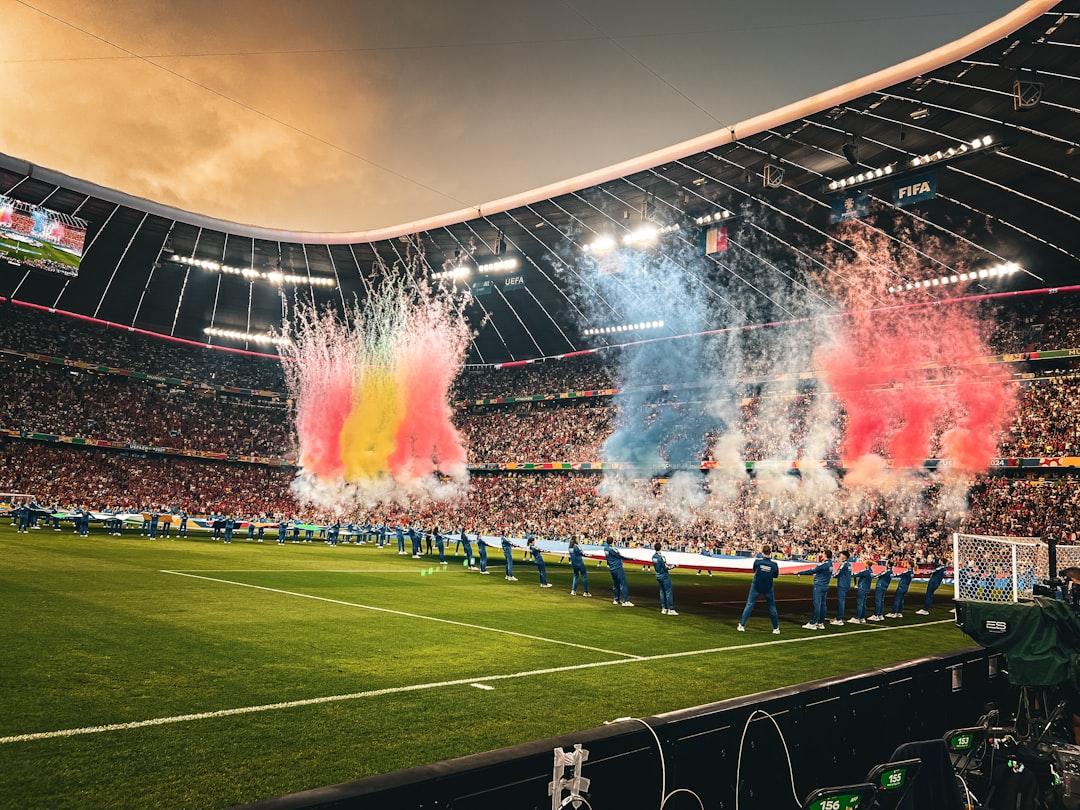
Key Takeaways
Didier Deschamps has long been a figure synonymous with winning. From his days as a tenacious midfielder lifting the trophy as captain in 1998 to his tactical masterclass as a manager, his career path has been defined by an uncanny ability to navigate the highest pressures of the global game. As the French national team prepares for another deep run in the World Cup cycle, the conversation has shifted from mere success to the pursuit of undisputed greatness.
Winning a World Cup is the pinnacle of the sport; winning two as a manager would place Deschamps in a pantheon inhabited by only the most legendary figures, such as Vittorio Pozzo. However, the path to such an achievement is fraught with evolving tactical challenges and the relentless emergence of hungry challengers on the world stage.
Under Deschamps, the French team has undergone a significant transformation. Moving away from the rigid, defensive-minded structures of the past, his current iteration of the squad emphasizes fluidity, youth, and individual brilliance. By integrating rising stars alongside seasoned veterans, Deschamps has created a hybrid system that is both difficult to break down and terrifying in transition.
- Midfield Engine: The ability to transition from defense to attack in seconds remains the team’s primary weapon.
- Attacking Depth: With a bench that would be a starting XI for most other nations, France possesses the unique luxury of tactical flexibility during high-stakes matches.
- Defensive Resilience: Despite the focus on flair, the backbone of the squad remains disciplined, a hallmark of the Deschamps philosophy.
While France is often viewed as the heavy favorite, the landscape of international football is shifting. The rise of nations like Morocco demonstrates that the traditional European and South American hegemony is under siege. Morocco’s disciplined, high-intensity approach represents the exact type of tactical hurdle that Deschamps must overcome to secure his legacy.
Matches against underdogs are no longer routine. They are intricate chess games where a single error can result in elimination. For Deschamps, the challenge is not just tactical, but psychological. Keeping a group of elite, high-earning superstars grounded and focused on a singular collective goal is a task that few managers have mastered with the consistency he has shown over the last decade.
Should France secure another crown, the narrative surrounding Deschamps will inevitably shift toward his "Greatest of All Time" (GOAT) status. Beyond the statistics—the wins, the clean sheets, and the trophies—it is the consistency of his tenure that stands out. In an era where international managers often cycle through squads every few years, Deschamps has built a lasting institution.
His legacy will not just be defined by the hardware in the trophy cabinet, but by the culture he has fostered within the French Football Federation. By prioritizing squad cohesion over individual ego, he has turned the French national team into a model of sustained excellence. Whether or not they lift the trophy in the upcoming cycle, the blueprint he has laid out will influence French football for decades to come.
The road ahead is long, and the competition is steeper than ever. With the 2026 World Cup on the horizon, the pressure on Deschamps to deliver is immense. Fans and pundits alike are watching closely to see if he can successfully integrate the next generation of French talent into his winning machine. If he manages to retain the title, he will have moved past the realm of being a successful manager and entered the sphere of historical legends, forever changing the way we perceive the role of the national team manager in the modern era.
Enjoying this article?
Get the daily AI briefing sent straight to your inbox.
Frequently Asked Questions
How many World Cups has Didier Deschamps won?
Didier Deschamps has won the World Cup as both a player (1998) and a manager (2018).
Why is the French team considered a favorite in upcoming tournaments?
France is considered a favorite due to their immense squad depth, tactical flexibility, and the successful integration of young talent alongside experienced veterans.
Comments
0Please sign in to leave a comment.
Related articles
PSG vs Barcelona: Champions League Showdown Preview and Predictions
Paris Saint-Germain and Barcelona face off in a high-stakes Champions League encounter, with both sides aiming to assert dominance in the new league phase.
Cristiano Ronaldo Faces 30-Day Suspension Following International Camp Exit
Global football superstar Cristiano Ronaldo has been dealt a 30-day suspension by the Portuguese FA after leaving his national team camp last month.
Damien Comolli Takes Helm at Pisa: A New Era for the Serie B Club
Football veteran Damien Comolli has been appointed as the new president and CEO of Pisa, signaling a strategic shift for the Italian Serie B side.