- Delhi has launched a comprehensive new EV policy featuring financial subsidies and registration waivers.
- The initiative aims to significantly reduce air pollution by incentivizing both private and commercial vehicle transitions.
- A major focus is placed on expanding public charging infrastructure to mitigate range anxiety.
- The city is actively replacing its aging diesel bus fleet with electric vehicles to lead by example.
Delhi Accelerates Green Transition With Ambitious New EV Policy Framework
The Indian capital is rolling out a comprehensive suite of incentives to combat chronic air pollution and accelerate the adoption of electric vehicles.
Jul 16, 2026·1 views
Key Takeaways
For years, Delhi has grappled with the unenviable reputation of being one of the most polluted cities on the planet. As the Indian capital faces recurring public health crises linked to poor air quality, local authorities have finally shifted gears, introducing a robust, multi-faceted electric vehicle (EV) policy. This strategic move is designed not just to nudge consumers toward cleaner alternatives, but to fundamentally restructure the city’s automotive ecosystem.
The new policy framework focuses on three core pillars: aggressive financial subsidies for private and commercial buyers, a massive expansion of charging infrastructure, and a mandate for public transport electrification. By tackling the high upfront costs that have historically deterred middle-class Indian families from switching to electric, Delhi is positioning itself as a leader in the global South’s transition to sustainable urban mobility.
At the heart of the government’s plan is a direct-to-consumer subsidy program. Recognizing that the price parity between internal combustion engines (ICE) and electric vehicles remains a significant barrier, the Delhi government has introduced tiered incentives.
- Two-Wheeler Support: Massive rebates for electric scooters and motorcycles, which represent the largest segment of the city's traffic.
- Commercial Fleets: Specific tax exemptions for delivery companies that transition their last-mile logistics fleets to electric power.
- Registration Waivers: A complete exemption from road tax and registration fees for all new EV purchases for the next three years.
These measures are expected to lower the total cost of ownership (TCO) for electric vehicles, making them competitive—or even cheaper—than petrol-powered alternatives over a five-year horizon. For the common commuter, this represents a significant shift in the economic viability of green transport.
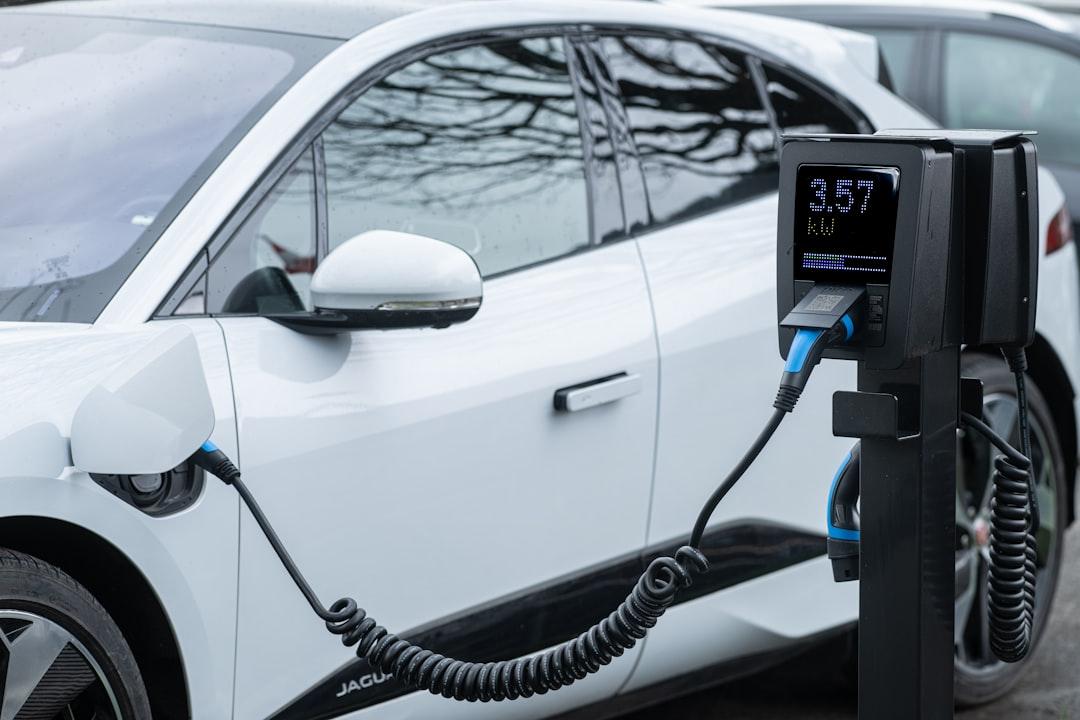
Critics of previous EV initiatives in India often pointed to 'range anxiety'—the fear of running out of battery without access to a charging station. The new Delhi policy addresses this head-on with a commitment to rapid infrastructure deployment. The city plans to install thousands of public fast-charging stations across key residential and commercial hubs by 2028.
Furthermore, the policy mandates that new housing developments and commercial complexes must include dedicated 'EV-ready' parking spaces. By integrating charging capabilities into the city’s urban planning, Delhi is moving away from a 'wait and see' approach toward a proactive model that treats electricity as the primary fuel for the future of the city.
Perhaps the most visible change will occur within the public transit sector. Delhi is phasing out its older, diesel-guzzling bus fleet in favor of electric buses. This transition is not merely symbolic; it is a calculated effort to reduce the massive carbon footprint of the city’s daily commuters.
Industry experts at Imai News note that the electrification of the bus fleet creates a 'halo effect,' normalizing the sight and sound of electric vehicles on the road. As public trust in EV reliability grows, private adoption is expected to follow suit. The scale of this transition is significant, representing one of the largest municipal bus electrification projects in Asia.
Despite the optimism, the road ahead is not without obstacles. The power grid must be upgraded to handle the increased load of thousands of simultaneous charging sessions. Additionally, the recycling of lithium-ion batteries remains a long-term environmental challenge that the government will need to address through subsequent policy amendments.
However, the consensus among urban planners is clear: Delhi’s new policy is a necessary step toward survival. By aligning economic incentives with environmental urgency, the city is setting a benchmark for other megacities in developing nations. If successful, this initiative could serve as the blueprint for metropolitan areas globally looking to balance rapid economic growth with the urgent need for decarbonization.
Enjoying this article?
Get the daily AI briefing sent straight to your inbox.
Frequently Asked Questions
What are the key benefits of Delhi's new EV policy?
The policy provides financial subsidies for two-wheelers, road tax exemptions, and a massive rollout of public charging stations.
How will Delhi address range anxiety for EV owners?
The government is mandating EV-ready parking in new developments and installing thousands of fast-charging stations across the city.
Is public transport being included in the EV transition?
Yes, Delhi is aggressively replacing its diesel bus fleet with electric buses as part of its commitment to sustainable urban mobility.
Comments
0Please sign in to leave a comment.
Related articles
Arizona Debuts First NEVI-Funded EV Fast Chargers: What Drivers Need to Know
Arizona has officially launched its first three NEVI-funded DC fast-charging stations, strategically placed to bolster travel along major interstate corridors.

BYD Unveils High-Performance 5-Seat Electric SUV with 690 HP
BYD has officially revealed its latest tech-focused flagship electric SUV, boasting 690 horsepower and a futuristic cabin design.
Priority Bicycles Unveils E-Sauce: The Electric Evolution of a Cult Classic
Priority Bicycles has officially electrified its playful Sauce model, introducing the E-Sauce to bridge the gap between simple urban commuting and high-performance e-biking.