- A recent Soyuz rocket launch featured prominent energy drink branding.
- Russia has a long history of using space missions for commercial advertising to generate revenue.
- The trend reflects the growing integration of private enterprise into space exploration.
- The global space industry is debating the ethics and future of commercial advertising in orbit.
Commercialism in Orbit: Russian Soyuz Rocket Features Energy Drink Branding
As Russia continues its tradition of space-based marketing, the latest Soyuz launch highlights the growing intersection of private commerce and international spaceflight.
Jul 17, 2026·0 views
Key Takeaways
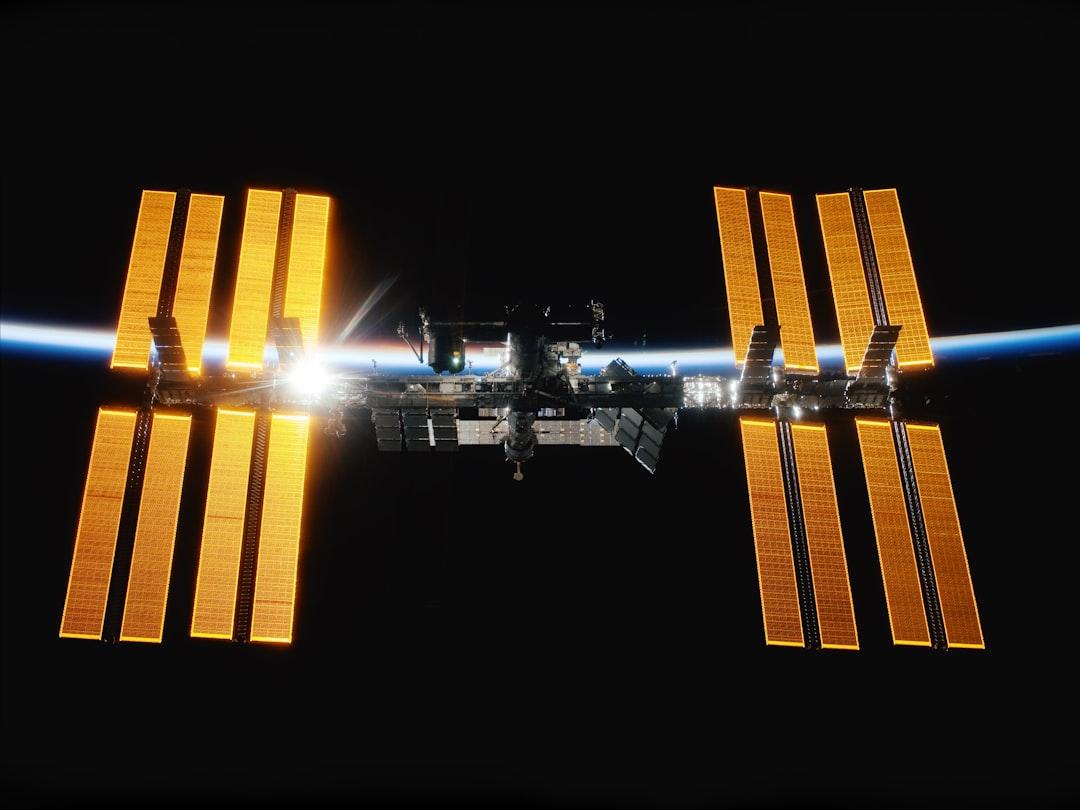
The image of a Soyuz rocket ascending toward the stars is one of the most iconic sights in the history of space exploration. For decades, these vessels have served as the workhorses of human spaceflight, ferrying cosmonauts and international astronauts to the International Space Station (ISS). However, a recent launch has drawn attention for a reason that transcends aerospace engineering: a prominent advertisement for an energy drink emblazoned on the rocket’s fairing.
This move, while surprising to casual observers, is part of a long-standing tradition within the Russian space program. As the boundaries between government-funded exploration and private enterprise blur, the appearance of corporate logos on hardware destined for orbit serves as a tangible reminder that space is increasingly becoming a venue for global marketing campaigns.
Russia’s history with space-based advertising is well-documented and occasionally controversial. In the late 1990s and early 2000s, the Russian space agency—then operating under the Rosaviakosmos banner—sought creative ways to generate revenue following the dissolution of the Soviet Union. This led to a series of high-profile, albeit unusual, marketing stunts.
Perhaps the most famous instance occurred in 1997, when a Russian Progress cargo ship was adorned with an advertisement for a popular dairy product. Shortly thereafter, in 2001, a commercial for a pizza chain was filmed on the ISS, marking the first time a television advertisement was recorded in space. These early ventures laid the groundwork for what we see today: a pragmatic approach to financing space operations through the lens of corporate partnerships.
During the most recent launch, the branding was not subtle. The energy drink company’s logo was clearly visible on the rocket, sparking debate among space enthusiasts, scientists, and industry analysts. While the primary mission of the flight remains scientific and logistical—delivering crew members to the ISS—the visual presence of the advertisement highlights the financial realities of modern space travel.
For the Russian space agency, Roscosmos, these sponsorships provide a supplementary stream of funding. In an era where launch costs are scrutinized and budgets are often tight, external revenue can help bridge the gap between necessary infrastructure maintenance and the high costs associated with crewed missions. However, critics argue that such branding risks cheapening the prestige of space exploration, turning a symbol of human achievement into a billboard for consumer goods.
While Russia has been the most visible proponent of space marketing, other nations and private corporations are catching up. In the United States, the rise of companies like SpaceX and Blue Origin has introduced a different model of commercialization. Rather than painting logos on the sides of rockets, these companies rely on private contracts, tourism, and satellite deployment services to sustain their business models.
However, the concept of "orbital billboards" remains a contentious topic. Some industry experts suggest that as space tourism becomes more accessible, we may see an increase in creative advertising, such as small satellites designed to display logos or messages that are visible from Earth. This potential shift has already prompted discussions within international regulatory bodies regarding the ethics and aesthetic impact of littering the night sky with commercial imagery.
As we look toward the future, the trend of integrating commercial interests with space missions seems likely to continue. With the rise of the "NewSpace" economy, the lines between government missions and private enterprise are becoming increasingly porous. The presence of an energy drink ad on a Soyuz rocket is likely just the beginning of a broader trend where corporate funding plays an essential role in sustaining the human presence in low-Earth orbit.
Ultimately, whether one views these advertisements as a necessary evolution of space funding or an unwelcome intrusion of consumerism, the fact remains that space is no longer the exclusive domain of government agencies. As the cost of access to orbit continues to drop, the marketplace of the future will undoubtedly reach far beyond our atmosphere.
Enjoying this article?
Get the daily AI briefing sent straight to your inbox.
Frequently Asked Questions
Why do Russian rockets have advertisements on them?
Russian space agencies have historically used commercial sponsorships and advertisements on rockets and space station equipment to generate supplementary revenue for mission funding.
Is space advertising allowed?
Currently, there are few international regulations specifically prohibiting the placement of logos on launch vehicles, though the topic remains a subject of ongoing ethical debate among space agencies and regulatory bodies.
Comments
0Please sign in to leave a comment.
Related articles

Japan’s Martian Frontier: JAXA’s MMX Mission Targets Phobos Samples
JAXA is embarking on a historic mission to land on the Martian moon Phobos and return precious samples to Earth, marking a major milestone in space exploration.

Gemstones in the Clouds: Scientists Discover Exotic Weather on WASP-193b
Astronomers have identified potential gemstone-like particles in the atmosphere of WASP-193b, an ultra-low-density exoplanet that defies conventional physics.

Why Can You See the Moon During the Day? A Guide to Daytime Stargazing
Ever wondered why the Moon is visible during daylight hours? Experts explain the mechanics of lunar orbits and why this week offers prime viewing opportunities.