- Wesley Fofana stood out with a 7/10 rating, showing defensive resilience that bodes well for his 2026 World Cup prospects with France.
- Pedro Neto struggled to influence the game against Brentford's low block, highlighting Chelsea's ongoing issues with creative consistency.
- Tactical analysis reveals that Chelsea's inability to manage defensive transitions remains their primary weakness under pressure.
- The loss emphasizes the disconnect between Chelsea's high-value individual signings and their lack of a cohesive team identity.
Chelsea’s Identity Crisis: Analyzing the Tactical Breakdown in Brentford Defeat
Beyond the player ratings, the Blues' latest setback reveals a deeper disconnect between individual talent and collective execution ahead of the 2026 cycle.
Sep 19, 2026·0 views
Key Takeaways
For a club that has invested over a billion pounds in talent, the expectation is not just victory, but dominance. However, Chelsea’s recent trip to the Gtech Community Stadium to face Brentford served as a stark reminder that chemistry cannot be purchased overnight. Despite a promising start that suggested a tactical evolution under the current regime, the Blues ultimately succumbed to a disciplined Brentford side, leaving fans and analysts questioning the structural integrity of the squad.
This loss is more than just three dropped points; it is a diagnostic report on a team in transition. As we look toward the FIFA World Cup 2026, the performances of key international assets like Wesley Fofana and Pedro Neto are under the microscope. For Chelsea, the challenge remains: how to turn individual high-performers into a cohesive unit capable of dismantling the Premier League’s most organized mid-block defenses.
If there was a singular positive to take from the disappointment in West London, it was the performance of Wesley Fofana. Earning a 7/10 rating in a losing effort is a testament to his individual duel-winning capability and positional awareness. Fofana, who is widely considered a cornerstone for the French national team heading into the 2026 FIFA World Cup cycle, showed why he remains indispensable.
- Aerobics and Anticipation: Fofana was instrumental in neutralizing Brentford’s direct long-ball threats during the first half.
- Recovery Pace: His ability to cover ground allowed Chelsea to maintain a high defensive line early on.
- Leadership: In the absence of veteran stability, Fofana took charge of the backline, though he was eventually overwhelmed by the sheer volume of Brentford’s late-game pressure.
For France and Didier Deschamps, Fofana’s fitness and form are paramount. In a Premier League environment that punishes even the slightest lapse, his ability to maintain a high floor of performance is what keeps him in the elite bracket of modern center-backs.
On the opposite end of the spectrum, Pedro Neto’s 6/10 performance encapsulated Chelsea’s afternoon: flashes of brilliance followed by a lack of clinical finality. Neto, a vital component for Portugal’s international ambitions, arrived at Chelsea with the reputation of being a game-changer. However, against Brentford’s low block, his impact was largely peripheral.
Neto’s struggle highlights a broader tactical issue within the Chelsea system. When the opposition denies space behind the defensive line, Neto is forced to receive the ball in front of the defense, where his explosive pace is negated. To unlock his full potential, Chelsea must find ways to create isolation scenarios or improve their transitional speed. For Neto, the road to the 2026 World Cup requires him to evolve from a transition-based winger into a nuanced playmaker who can thrive in tight spaces.
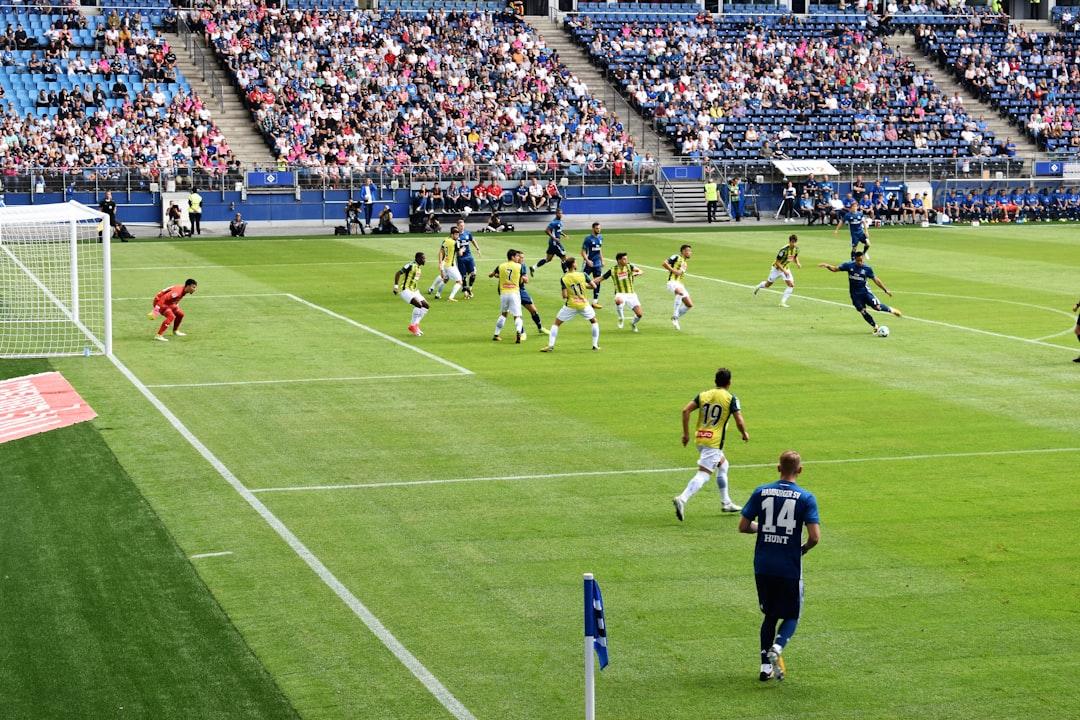
Chelsea began the match with a clear intent to control the tempo. Their 4-3-3 structure looked fluid, with the midfield trio rotating effectively to find pockets of space. Yet, as the game progressed, Brentford’s Thomas Frank adjusted. By dropping their wing-backs deeper and squeezing the space between the lines, Brentford forced Chelsea into wide areas, where their crosses were easily dealt with by a towering Bees defense.
This tactical stalemate eventually led to Chelsea’s undoing. As the Blues pushed higher in search of a breakthrough, they left themselves vulnerable to the counter-attack—a hallmark of Brentford’s tactical identity. The transition from offense to defense remains Chelsea’s Achilles' heel, a flaw that elite opposition will continue to exploit until a more balanced midfield screen is established.
The Premier League serves as the ultimate proving ground for the 2026 FIFA World Cup. For Chelsea’s young core, these "disappointing losses" are part of a steep learning curve. However, from a management and ownership perspective, the patience for such results is wearing thin. The club’s strategy of hoarding high-ceiling talent requires these players to develop "winning DNA"—the ability to grind out results in hostile environments like the Gtech Community Stadium.
Furthermore, the commercial implications are significant. Chelsea’s global brand is built on Champions League participation. Continued mid-table volatility threatens their revenue streams and their ability to attract the next generation of superstars during the 2025 and 2026 transfer windows.
Chelsea’s loss to Brentford is a microcosm of their season: a blend of high individual ratings and collective failure. While Fofana and Neto remain world-class talents on paper, the Premier League table does not care for potential. As the international break approaches and eyes turn toward the road to the 2026 World Cup, these players must find a way to translate their individual quality into three points for their club.
The blueprint for success exists, but it requires more than just a "solid start." It requires 90 minutes of tactical discipline, clinical finishing, and the defensive grit that was sorely lacking in the closing stages against Brentford. For Chelsea, the time for excuses is over; the time for execution has arrived.
Enjoying this article?
Get the daily AI briefing sent straight to your inbox.
Frequently Asked Questions
How did Wesley Fofana perform against Brentford?
Wesley Fofana was one of Chelsea's best performers, earning a 7/10 rating. He showed strong aerial ability and recovery pace, though the team ultimately conceded late goals.
Why is Chelsea struggling despite their high-value signings?
Chelsea's struggles stem from a lack of tactical cohesion in transition and difficulty breaking down organized low-block defenses, as seen in the Brentford match.
What does this mean for Pedro Neto's international career?
While Neto remains a key player for Portugal, his 6/10 performance suggests he needs to adapt his game to be more effective when his pace is neutralized by deep-sitting defenses.
Comments
0Please sign in to leave a comment.
Related articles
Napoli Star Alisson Santos Faces Another Injury Setback After Return
Napoli’s momentum hits a snag as Alisson Santos suffers a fresh injury blow immediately following his return to the pitch.

Kamari Doyle Urges Leicester City to Build Momentum After Doncaster Victory
Leicester City midfielder Kamari Doyle believes the club's recent triumph over Doncaster is the catalyst needed to spark a consistent winning streak.
Marko Milovanovic Praises Portsmouth’s Resilient Mentality Following Win Streak
Portsmouth striker Marko Milovanovic credits a collective mental shift for the club's recent success, marking a turning point in their league campaign.