- CATL has officially achieved carbon neutrality across all 20 of its global battery manufacturing plants.
- The company utilized renewable energy and efficiency upgrades to reach this milestone.
- Despite factory-level success, the majority of battery-related emissions remain in the upstream supply chain (Scope 3).
- The move aligns with emerging global regulations like the EU Battery Passport.
CATL Achieves Carbon Neutrality Across All 20 Global Battery Plants
The industry giant reaches a major sustainability milestone, yet faces the complex challenge of decarbonizing its extensive upstream supply chain.
Aug 19, 2026·0 views
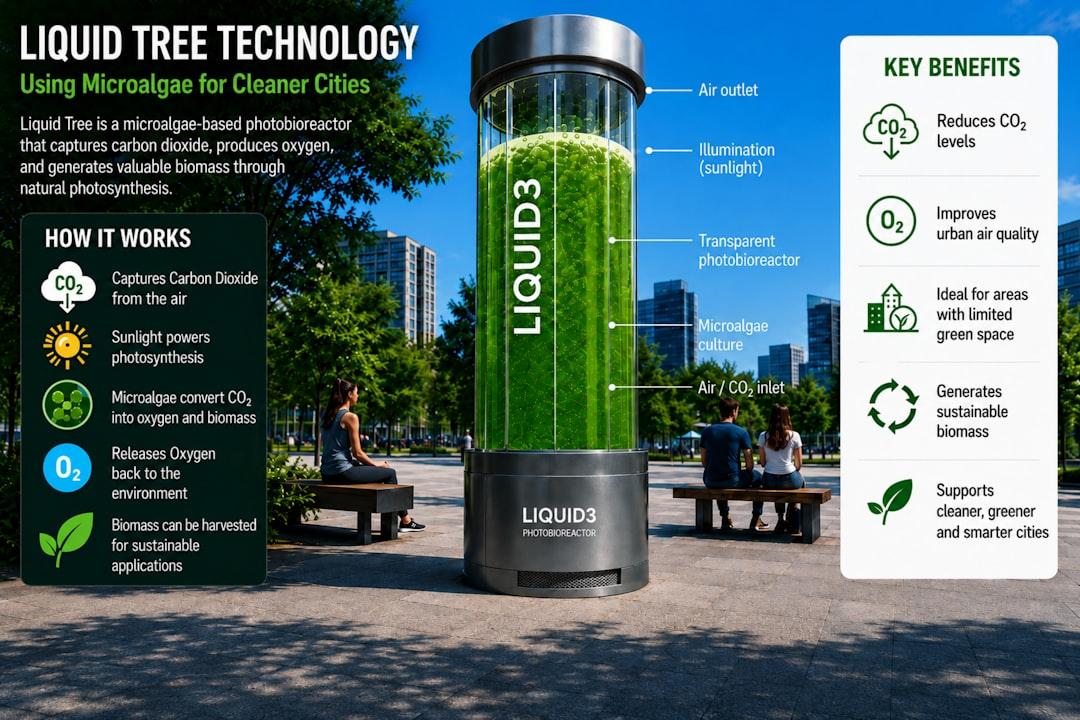
Key Takeaways
Contemporary Amperex Technology Co. Limited (CATL), the world’s undisputed leader in electric vehicle (EV) battery production, has announced a landmark achievement in its sustainability roadmap. The company confirmed this week that all 20 of its operating battery manufacturing plants have officially achieved carbon neutrality. This transition represents a significant leap forward for the green tech sector, as the automotive industry grapples with the environmental footprint of the transition to electric mobility.
For years, critics have argued that while EVs reduce tailpipe emissions, the manufacturing process—specifically the production of lithium-ion batteries—is an energy-intensive endeavor that relies heavily on fossil fuels. By achieving carbon neutrality across its entire global manufacturing footprint, CATL is setting a new benchmark for competitors and suppliers alike. The company utilized a combination of renewable energy procurement, energy efficiency upgrades, and carbon offset initiatives to reach this status.
Operating 20 facilities at carbon-neutral levels is no small feat. CATL’s production network, which powers a significant portion of the global EV market, has integrated smart energy management systems to monitor and reduce consumption in real-time. The company’s approach includes:
- Renewable Energy Integration: Increasing the share of wind, solar, and hydroelectric power in the local grids serving their factories.
- Operational Efficiency: Implementing AI-driven thermal management and production line optimization to minimize waste.
- Strategic Offsetting: Investing in certified carbon-capture projects to neutralize residual emissions that cannot be eliminated by technology alone.
This move is not merely altruistic; it is a strategic necessity. As global regulations—such as the European Union’s Battery Passport—demand stricter transparency regarding the lifecycle carbon footprint of batteries, CATL’s proactive stance positions it favorably for future international trade agreements and environmental compliance standards.
While the achievement at the factory level is commendable, industry analysts are quick to point out that the "carbon neutral" label applies primarily to CATL’s internal operations, often categorized as Scope 1 and Scope 2 emissions. The reality of the battery supply chain remains far more complex.
Most of the emissions associated with a battery occur long before the raw materials reach the factory floor. Mining for lithium, cobalt, and nickel, as well as the refining processes for these minerals, remain carbon-intensive. These "Scope 3" emissions—those produced by suppliers and external partners—account for the vast majority of a battery’s total lifecycle carbon footprint.
"The factory is only the tip of the iceberg," says Imai News energy analyst, Hiroshi Tanaka. "While CATL’s progress in their own plants is a vital step, the true test for the company lies in how they leverage their massive market influence to force or incentivize their upstream mining partners to decarbonize as well. Without addressing the raw material extraction phase, the industry cannot claim a truly green lifecycle."
CATL has acknowledged that its work is far from finished. The company has publicly stated its intent to extend its sustainability standards to its supply chain, aiming to foster a cleaner ecosystem for the entire EV industry. This includes working with mining partners to adopt low-carbon extraction methods and investing in battery recycling technologies that reduce the reliance on virgin, mined materials.
As the world moves closer to 2030, the pressure on battery manufacturers to provide "clean" energy storage will only intensify. CATL’s recent announcement serves as a signal to the market: sustainability is no longer a peripheral marketing goal, but a core component of industrial strategy. Whether this shift will be enough to satisfy increasingly stringent global environmental regulations remains to be seen, but the transition of 20 major plants is an undeniable signal that the era of carbon-conscious manufacturing has truly arrived.
Enjoying this article?
Get the daily AI briefing sent straight to your inbox.
Frequently Asked Questions
Are all of CATL's batteries carbon neutral?
No. While CATL’s manufacturing plants are now carbon neutral, the raw material extraction and supply chain processes still generate significant carbon emissions.
How did CATL achieve carbon neutrality in its plants?
The company used a mix of renewable energy sources, energy-efficient manufacturing processes, and verified carbon offsets.
What is the next step for CATL regarding sustainability?
CATL is now focusing on reducing Scope 3 emissions by working with its upstream mining and refining suppliers to adopt greener practices.
Comments
0Please sign in to leave a comment.
Related articles
Tesla Driver Asleep at Wheel in Crash Involving California Highway Patrol
Federal regulators and local authorities are investigating a serious Tesla collision in Fairfield, California, after a driver admitted to sleeping with FSD engaged.

Volkswagen Expands ID. Cross Lineup with New 37 kWh Battery Option
Volkswagen has introduced a new 37 kWh battery option for the ID. Cross, aiming to lower the entry price point for city-focused electric vehicle buyers.

Tesla’s Next-Gen Roadster: Engineering Marvel or Marketing Hyperbole?
Is the new Tesla Roadster a legitimate leap in automotive engineering, or are its 'flying' capabilities merely a marketing stunt? We dive into the physics.