- Spain is the only remaining team in the tournament to have kept a clean sheet in every match.
- The team's defensive success is attributed to collective tactical discipline rather than individual heroics.
- The upcoming quarter-final against Belgium will test whether Spain's defense can withstand high-pressure elite attacks.
- Spain has shifted toward a more pragmatic, defensively sound style of play that prioritizes stability over constant offensive risk.
Beyond the Flash: Why Spain’s Impregnable Defense is Their True Secret Weapon
While offensive stars grab the headlines, Spain’s tactical discipline and defensive wall have become the tournament's defining narrative.
Jul 10, 2026·0 views
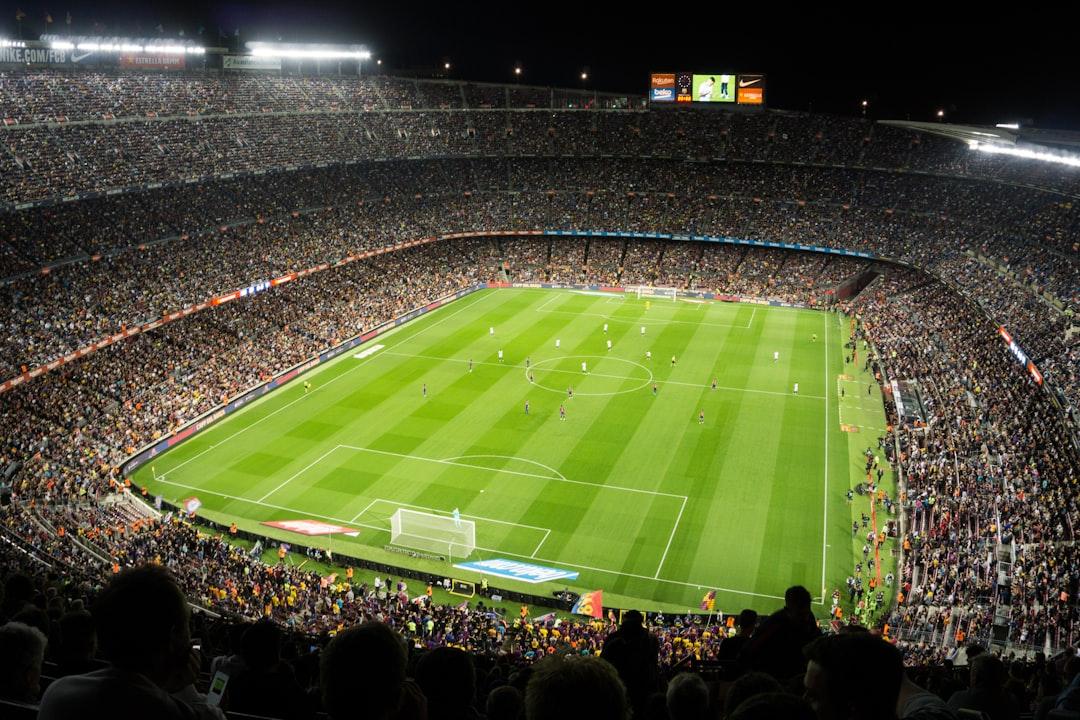
Key Takeaways
In the high-octane world of international football, the spotlight almost always gravitates toward the attacking maestros. We have spent weeks dissecting the creative genius of Lamine Yamal and the midfield orchestration of Pedri, but the real story of this tournament lies at the other end of the pitch. Spain has emerged as an impenetrable force, maintaining a clean sheet record that has not only frustrated opponents but rewritten the defensive standards of the competition.
While critics and fans alike clamor for highlight-reel goals, Luis de la Fuente’s squad has quietly constructed a fortress. They remain the only team in the tournament yet to concede a goal, a statistic that underscores a level of tactical maturity rarely seen in modern football. This is not just luck; it is a meticulously engineered system designed to stifle creativity before it reaches the danger zone.
Spain’s defensive success is rooted in a collective commitment to structure. Unlike teams that rely on a single superstar defender to bail them out, Spain functions as a cohesive unit. Their defensive transition is seamless, often characterized by:
- High-Press Efficiency: The team’s ability to win the ball back immediately after losing possession prevents opponents from launching counter-attacks.
- Positional Discipline: Players adhere strictly to their zones, ensuring that gaps are closed before they can be exploited.
- Tactical Flexibility: Whether facing a low block or a high-pressing team, the back four remains composed, rarely succumbing to the pressure of the moment.
This defensive foundation allows the creative players like Yamal to operate with more freedom. Knowing that a mistake in the final third won’t necessarily result in a conceded goal provides the entire squad with a psychological edge that is difficult to quantify but impossible to ignore.
As we look ahead to the quarter-final clash against Belgium, the narrative shifts from "can Spain win?" to "can anyone score against them?" Belgium, known for their own attacking potency, faces the ultimate test. No team has managed to breach the Spanish goal this summer, and the pressure is now on the Belgian strikers to find a chink in this armor.
Belgium’s strategy will likely involve testing the wide areas, hoping to draw the Spanish center-backs out of position. However, Spain’s defensive record suggests that their organization is resilient enough to handle high-velocity attacks. For Belgium, the goal is simple: go where no other team has gone before. For Spain, the objective is to maintain the standard of excellence that has defined their campaign.
There is a growing debate in the footballing world about whether the 'tiki-taka' DNA of Spain has evolved into something more pragmatic. By prioritizing defensive stability, Spain has found a winning formula that relies on patience rather than constant risk-taking. This shift has not diminished their entertainment value; rather, it has added a layer of tension and tactical intrigue that keeps spectators on the edge of their seats.
As the tournament heads into the knockout stages, the teams that prioritize clean sheets often go the distance. Spain’s current form is a testament to the fact that while attackers may win games, defenses win championships. As they prepare to face Belgium, the world will be watching to see if this wall holds firm or if the pressure of the quarter-finals finally cracks the code.
Whether they secure another clean sheet or finally concede, Spain has already proven that their identity is no longer tied solely to the flash of their forwards. They are a team built on iron, discipline, and a collective resolve that makes them the most dangerous opponent in the bracket.
Enjoying this article?
Get the daily AI briefing sent straight to your inbox.
Frequently Asked Questions
Has Spain conceded a goal in the tournament?
No, Spain remains the only team in the current tournament that has not conceded a single goal.
Why is Spain's defense considered so strong?
Spain's defense is built on high-press efficiency, strict positional discipline, and a collective commitment to tactical structure that prevents opponents from launching counter-attacks.
Comments
0Please sign in to leave a comment.
Related articles
Eli Kroupi's Agent Addresses Barcelona Transfer Rumors
While rumors swirl about Eli Junior Kroupi's potential transfer to Barcelona, his agent has stated that no final decision has been made, leaving the door open for various possibilities.
Said El Mala Transfer Saga: Why Borussia Dortmund Is Hesitating
Cologne sensation Said El Mala is attracting heavy interest from European giants, but Borussia Dortmund remains cautious over his rising price tag.
Union St Gilloise Poised for Record Sale as Anan Khalaili Nears Inter Move
Union St Gilloise is on the verge of a record-breaking transfer as Inter Milan advances in negotiations for attacking full-back Anan Khalaili.