- A temporary pause in major international tournaments highlights the critical role of domestic leagues in sustaining year-round sports streaming engagement.
- The sports broadcasting landscape is undergoing massive fragmentation, shifting from traditional cable packages to a mix of premium SVOD, pay-per-view, and free ad-supported streaming (FAST) channels like Canal GOAT.
- Lower-tier domestic football serves as highly valuable, cost-effective content for platforms like Disney+ to maintain subscriber retention during tournament lulls.
- The digital strategies tested in domestic markets today will serve as the blueprint for the highly connected, multi-platform broadcast of the FIFA World Cup 2026.
Beyond the Big Stage: How Streaming Giants Are Redefining Live Football in the Lead-Up to 2026
As major tournaments take a breather, a fragmented ecosystem of digital platforms, FAST channels, and domestic leagues is quietly reshaping the future of sports broadcasting.
Jul 12, 2026·0 views
Key Takeaways
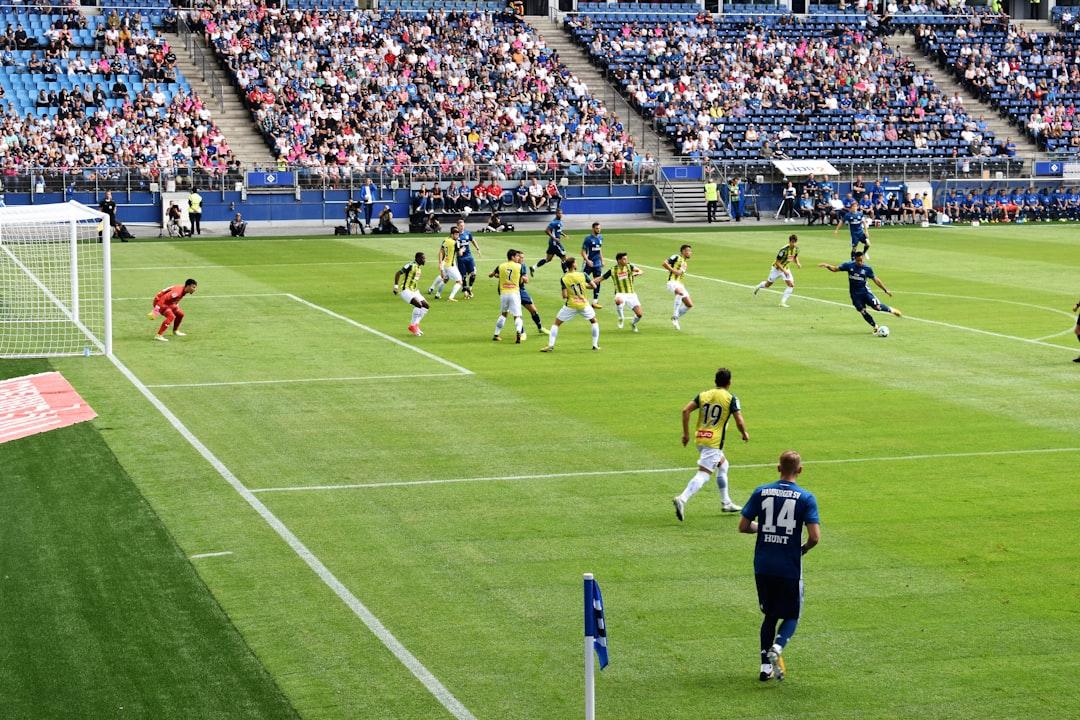
The global football calendar is notoriously relentless, but for sports fans, a rare day without a high-profile international fixture like the Copa América or the UEFA Euros can feel like an unexpected intermission. Yet, behind the scenes of the global sports entertainment industry, the action never truly stops. While the world’s marquee national teams rest, the machinery of domestic club football continues to spin, powered by an increasingly complex and fragmented digital broadcasting ecosystem.
On any given Sunday, matchups such as Operário Ferroviário vs. Novorizontino or Avaí FC vs. Náutico may not capture global front-page headlines, but their distribution networks tell a fascinating story about the future of media consumption. From premium Subscription Video on Demand (SVOD) platforms like Disney+ Premium to hyper-localized pay-per-view services like Premiere and free, ad-supported digital-first outlets like Canal GOAT on YouTube, the way fans watch football is undergoing a profound structural shift.
This evolving landscape is not just a localized phenomenon; it serves as a critical testing ground for how the sports media industry will package, distribute, and monetize the highly anticipated FIFA World Cup 2026.
For decades, sports broadcasting followed a highly centralized model. National broadcasters or dominant cable conglomerates secured exclusive rights, offering fans a one-stop-shop for their sporting needs. Today, that model is obsolete. The sports media landscape has fractured into a mosaic of digital properties, each vying for a slice of the consumer’s attention and wallet.
Consider the broadcast distribution of a single afternoon of domestic Brazilian football:
- Premium SVOD: Disney+ Premium leverages regional matchups to drive high-value subscriptions, positioning live sports as the anchor for its broader entertainment bundle.
- Traditional Pay-Per-View: Traditional cable-born services like Premiere continue to cater to die-hard local fans willing to pay a premium for comprehensive coverage.
- Digital-First and FAST Channels: Platforms like Canal GOAT on YouTube and digital networks like RedeTV! represent the democratization of sports media, offering high-quality, ad-supported live broadcasts completely free of charge.
This fragmentation presents both an opportunity and a challenge. While it lowers the barrier to entry for casual fans who can tune in via free social media streams, it simultaneously increases the cognitive and financial load on dedicated fans, who must navigate multiple subscriptions and apps to follow their favorite teams.
To the uninitiated, investing in the broadcasting rights of second-tier domestic leagues might seem like a low-yield strategy for global entertainment giants. However, in the highly competitive streaming wars, these rights are pure gold.
For a platform like Disney+, premium international tournaments are excellent for driving massive spikes in short-term subscriber acquisition. But what happens when those tournaments end, or when there is a gap in the schedule? This is where domestic leagues play a vital role in subscriber retention. By offering a steady stream of localized, highly engaging live content, platforms can drastically reduce churn rates—the metric that keeps streaming executives awake at night.
Furthermore, lower-tier matches often boast incredibly loyal, geographically concentrated fanbases. These audiences exhibit higher engagement metrics than casual viewers of major tournaments, making them highly attractive targets for localized programmatic advertising and targeted marketing campaigns.
The prominent role of digital-first outlets like Canal GOAT highlights a broader generational shift in sports consumption. Younger demographics—specifically Gen Z and Millennials—are moving away from the passive, lean-back experience of traditional television. They demand interactivity, real-time community engagement, and multi-screen experiences.
Channels operating on YouTube and twitch-like platforms succeed because they integrate the live broadcast directly with real-time chat, fan polls, and influencer-led commentary. The broadcast is no longer just a feed of the match; it is a shared social event. This model of "social sports" is proving highly lucrative, attracting digital-native advertisers who value highly engaged communities over passive eyeballs.
As we look ahead to the FIFA World Cup 2026, which will be hosted across Canada, Mexico, and the United States, the lessons learned from today's fragmented domestic streaming ecosystem will take center stage. The 2026 tournament will undoubtedly be the most digitally integrated sporting event in human history.
FIFA itself has been aggressively testing the waters of direct-to-consumer distribution with its FIFA+ platform. While traditional linear television networks will still hold massive, multi-billion-dollar broadcast rights in key territories, the tournament’s true reach will be defined by hybrid distribution models.
We can expect to see:
- Hyper-personalized feeds: Broadcasters offering alternative commentary tracks, player-tracking cameras, and real-time data overlays powered by artificial intelligence.
- Decentralized highlights: Immediate, near-real-time distribution of goals and key moments across social media platforms to capture the attention of non-traditional viewers.
- Strategic FAST partnerships: Free, ad-supported streaming television services playing a major role in bringing the tournament to emerging markets and cord-cutters.
The experimentation occurring today on regional pitches is the blueprint for tomorrow's global spectacles. The platforms that successfully master the balance of accessibility, interactivity, and monetization in the domestic arena will be the ones driving the multi-billion-dollar narrative when the world’s greatest sporting event kicks off in 2026.
Enjoying this article?
Get the daily AI briefing sent straight to your inbox.
Frequently Asked Questions
How is sports streaming changing for domestic football leagues?
Broadcasters are moving away from exclusive cable packages toward a hybrid ecosystem. Fans now access games through premium SVOD platforms (like Disney+), dedicated pay-per-view apps (Premiere), and free social streaming channels (Canal GOAT on YouTube).
Why do streaming services invest in lower-tier football leagues?
Lower-tier and regional leagues provide consistent, cost-effective content that keeps sports subscribers engaged and reduces churn during the off-seasons of major global tournaments.
What do these streaming trends mean for the FIFA World Cup 2026?
The 2026 World Cup will leverage these diversified digital distribution methods, focusing heavily on multi-device streaming, interactive features, and localized digital feeds to reach a younger, mobile-first audience.
Comments
0Please sign in to leave a comment.
Related articles
Patrick Berg: Norway International Midfielder Becomes Hot Property for Coventry City and West Ham United
Norway international midfielder Patrick Berg is reportedly a target for English clubs Coventry City and West Ham United, among others. His impressive performances for Bodø/Glimt and on the international stage have put him in high demand, signaling a potential move to the Premier League or Championship.
The Transfer Derby: Why Inter and Milan are Colliding Over Guela Doué
The battle for Serie A supremacy has moved from the San Siro to the scouting offices. Following medical uncertainties surrounding Anan Khalaili, Inter Milan has pivoted toward Rennes standout Guela Doué, setting up a high-stakes transfer tug-of-war with cross-town rivals AC Milan.
Argentina’s Extra-Time Masterclass: Switzerland and Jashari Exit World Cup 2026
Switzerland's valiant World Cup 2026 run came to a heartbreaking conclusion in Kansas City. Despite a disciplined defensive display, Ardon Jashari and the Nati were unable to withstand Argentina's extra-time surge, marking the end of an era for Swiss football and a continuation of the Albiceleste's dominance.