- Belgium players performed a Trump-inspired dance after scoring against the USA.
- The gesture sparked a global social media firestorm and intense debate.
- The incident highlights the growing intersection of sports, politics, and internet culture.
- AI-driven algorithms accelerated the viral spread of the celebration.
Belgium’s Viral Trump-Inspired Celebration Sparks Global Social Media Firestorm
The Red Devils’ provocative dance moves following a decisive victory over the United States have ignited a cross-cultural debate online.
Jul 7, 2026·0 views
Key Takeaways
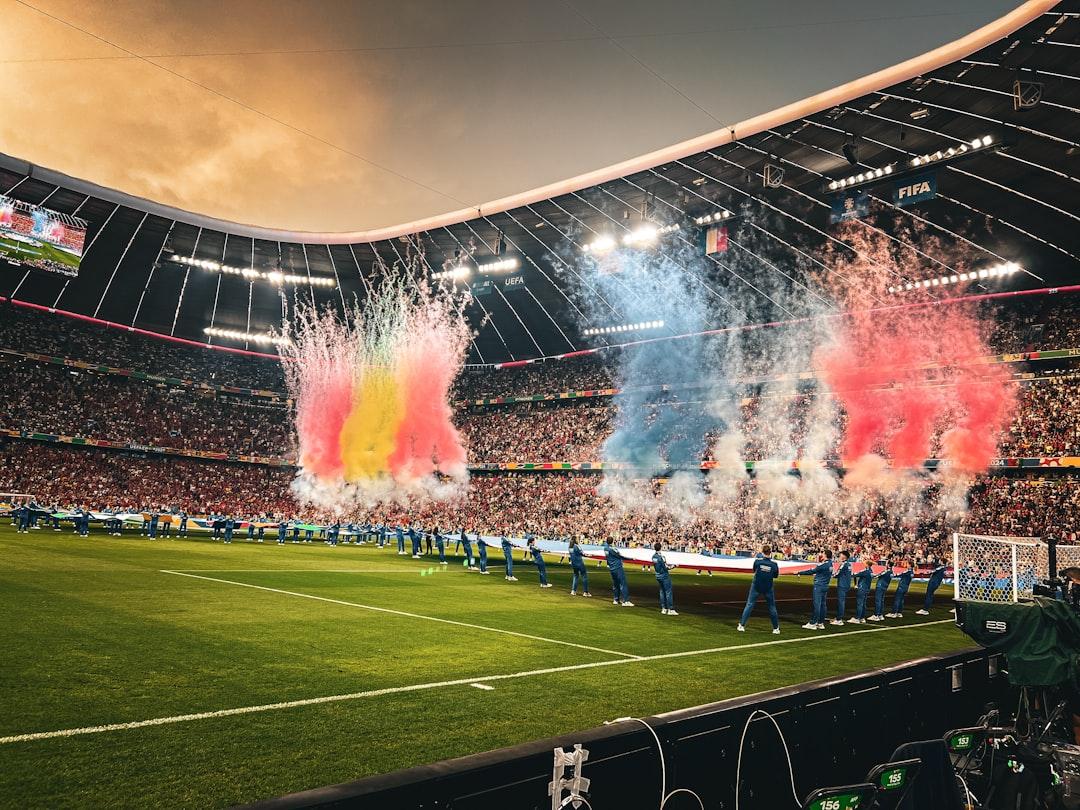
The intersection of sports and global politics has rarely been more visible than in the wake of Belgium’s recent 4-1 thrashing of the United States. Following the fourth goal of the match, which effectively sealed the fate of the American squad, several Belgian players bypassed traditional celebrations. Instead, they broke into a rhythmic, loose-limbed dance that social media users immediately identified as a tribute to the signature moves frequently performed by President-elect Donald Trump at his rallies.
The imagery was unmistakable, and the message was quickly interpreted by millions as a pointed jab at the American side. In the hyper-connected digital age of 2024, the clip went viral within minutes, creating a polarized reaction that transcended the boundaries of the pitch.
While professional athletes often use celebrations to express joy or vent frustration, this specific instance carried a weight rarely seen in international football. The move—often characterized by a rhythmic sway and a distinct hand motion—has become a cultural shorthand for the 45th and future 47th President of the United States.
By adopting the movement in a high-stakes fixture against an American team, the Belgian players moved beyond simple athletic competition. Social media platforms, particularly X (formerly Twitter) and TikTok, were flooded with commentary. Many users noted the irony of a European team utilizing American political symbolism to taunt an American opponent. One widely shared post from the Belgian side’s unofficial fan groups even captioned the moment with the phrase, “Overturn this,” a direct reference to the political discourse surrounding the 2020 and 2024 election cycles.
The reaction from fans was immediate and deeply divided:
- The Supporters: Many European fans found the gesture humorous, viewing it as a harmless form of 'trash talk' common in professional sports.
- The Critics: American fans and political observers argued that the move was unprofessional and injected unnecessary political divisiveness into a neutral sporting event.
- The Neutral Observers: Many pundits highlighted the incident as a sign of how deeply American political culture has permeated global pop culture, even in regions where it has little local relevance.
This incident is not the first time political figures have been referenced on the pitch, but the direct mimicry of a polarizing political leader against his own nation’s team adds a new layer of complexity to the 'spirit of the game.'
Interestingly, the rapid spread of this moment was fueled by AI-driven algorithms designed to prioritize high-engagement content. Within an hour of the goal, thousands of AI-generated edits, slow-motion breakdowns, and comparison videos featuring the original Trump dance side-by-side with the Belgian players were circulating globally.
This phenomenon underscores how modern sports news is consumed. It is no longer just about the scoreline; it is about the 'meme-ability' of the players. The Belgian team, whether intentionally or not, tapped into a global trend that guaranteed them millions of impressions, far exceeding the reach of a standard goal highlight.
As the international football community reflects on this event, questions regarding the boundaries of celebration remain. While governing bodies like FIFA have strict rules regarding political statements on jerseys or during ceremonies, individual player celebrations exist in a gray area of creative expression.
Whether this incident will lead to stricter guidelines regarding political mimicry remains to be seen. However, for now, the 'Trump dance' in Belgium stands as a testament to the fact that in the modern era, the lines between stadium entertainment and global political theater are increasingly blurred. As the tournament progresses, fans will be watching not just for the goals, but for how the next generation of players chooses to communicate with the world.
Enjoying this article?
Get the daily AI briefing sent straight to your inbox.
Frequently Asked Questions
Why did the Belgian players dance like Donald Trump?
The players performed the dance as a celebratory gesture after scoring their fourth goal against the USA, which many interpreted as a provocative move against the American team.
Was the celebration considered a political statement?
While the players have not officially commented, the public and media have largely interpreted the mimicry as a form of political trash talk, given the high-profile nature of the figure being mimicked.
Comments
0Please sign in to leave a comment.
Related articles
Athletic Club Crisis: Gorka Guruzeta Out for Season With ACL Injury
Athletic Club confirms Gorka Guruzeta will miss the remainder of the season after suffering a season-ending cruciate ligament injury against Valencia CF.
Napoli Star Alisson Santos Faces Another Injury Setback After Return
Napoli’s momentum hits a snag as Alisson Santos suffers a fresh injury blow immediately following his return to the pitch.
Kamari Doyle Urges Leicester City to Build Momentum After Doncaster Victory
Leicester City midfielder Kamari Doyle believes the club's recent triumph over Doncaster is the catalyst needed to spark a consistent winning streak.