- Belgium midfielder Nicolas Raskin claimed FIFA's eligibility ruling on Folarin Balogun motivated the team.
- The Belgian squad felt the US received preferential treatment, fueling a competitive 'us against the world' mindset.
- Political discourse surrounding US policies added an extra layer of tension to the match preparations.
- The team successfully channeled these external pressures into their performance during the Seattle knockout tie.
Belgium Players Cite Trump Policy in Motivation for FIFA World Cup Clash
The controversial eligibility of Folarin Balogun sparked a locker room fire for the Belgian squad ahead of their high-stakes Seattle showdown.
Jul 7, 2026·1 views
Key Takeaways
In the high-pressure environment of the FIFA World Cup, motivation often comes from unexpected sources. For the Belgian national team, the path to the round of 16 was paved with more than just tactical training and physical conditioning. According to midfielder Nicolas Raskin, a significant surge of adrenaline arrived in the form of administrative controversy regarding the eligibility of US striker Folarin Balogun.
The inclusion of Balogun, who opted to represent the United States after a complex international eligibility process, became a focal point of tension for the Belgian squad. Raskin revealed that the discourse surrounding US immigration policies—specifically those associated with the administration of Donald Trump—had permeated the locker room, creating a 'us against the world' mentality that the Belgians channeled directly into their performance on the pitch.
Folarin Balogun’s transition to the US Men’s National Team (USMNT) was one of the most discussed roster moves in recent years. Born in New York but raised in England, Balogun’s decision to commit to the United States was a major coup for US Soccer. However, the regulatory hurdles and the political backdrop of the US at the time added layers of complexity to his international debut.
For the Belgian players, the narrative was simple: they felt the rules were being bent or manipulated to favor the hosts. Raskin noted that when the team gathered in Seattle for their knockout round fixture, the atmosphere was already electric. The perception that the US team was receiving preferential treatment from FIFA regulators served as a catalyst for the Belgian side, transforming their pre-match preparation into a mission to prove their worth on the field.
It is no secret that international football serves as a proxy for national identity and, occasionally, geopolitical friction. While players often shy away from overt political statements, the intersection of national policy and sports eligibility is unavoidable. The Belgian camp’s reaction highlights how modern athletes are acutely aware of the narratives surrounding their opponents.
"It wasn't just about the football," a source close to the team suggested. "It was about the feeling that the system was tilted. When you hear the players talk about 'overturning' the result or proving a point, they are reacting to the noise surrounding the match as much as the tactical setup of the US team."
This sentiment underscores a growing trend in global sports where the 'home field advantage' is no longer limited to crowd noise or travel fatigue. It now includes the psychological weight of administrative backing and the external political perceptions that players carry with them into the tunnel.
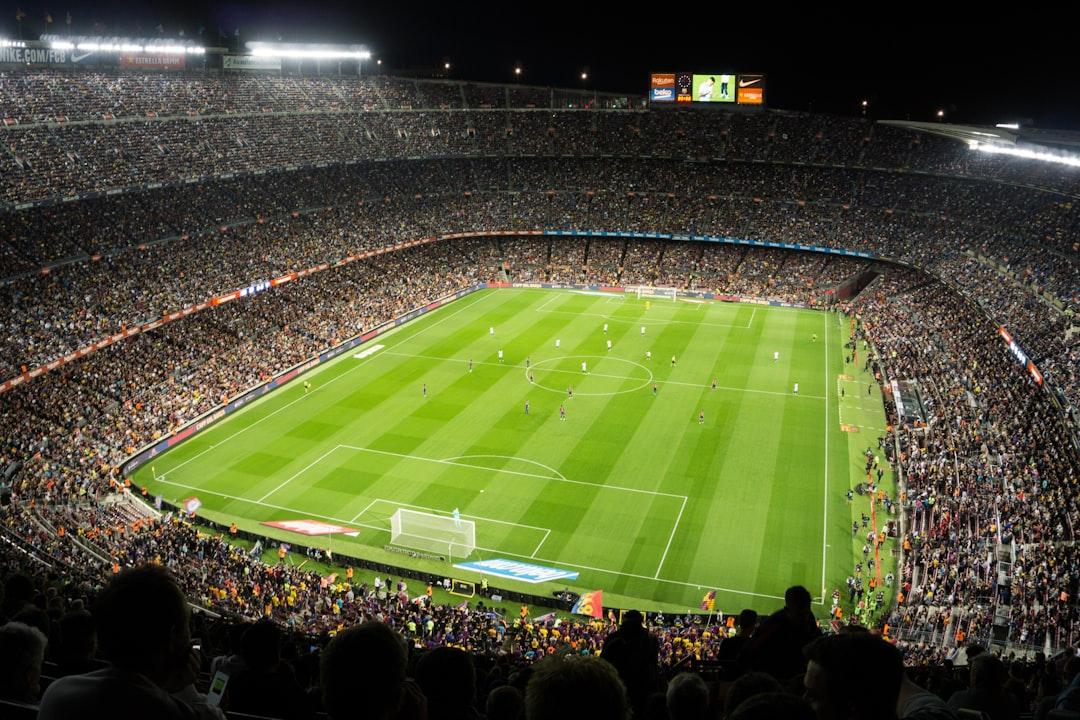
Seattle, known for its passionate soccer culture, provided the perfect stage for this drama. The stadium was a cauldron of noise, but for the Belgian players, the intensity was internal. By framing the match as a challenge against the perceived unfairness of the eligibility ruling, the Belgian staff and players managed to unify their focus.
- Psychological Edge: Using perceived slights to build team cohesion.
- Regulatory Scrutiny: How FIFA eligibility rules influence player morale.
- Global Narrative: The impact of US political discourse on international sports perception.
As the tournament progresses, the Belgian team’s ability to turn external pressure into internal motivation will be tested further. Whether this 'us against the world' mentality is sustainable remains to be seen, but for now, it has proven to be a potent weapon. The match in Seattle will likely go down in the history books not just for the scoreline, but for the complex web of political and administrative tensions that defined the narrative leading up to kickoff.
Ultimately, football remains a game played on grass, but as Raskin and his teammates demonstrated, the psychological battle begins long before the first whistle blows. The Belgian squad proved that sometimes, all a team needs to find their rhythm is a reason to believe the odds are stacked against them.
Enjoying this article?
Get the daily AI briefing sent straight to your inbox.
Frequently Asked Questions
Why were the Belgian players motivated by Folarin Balogun?
Belgian players felt that FIFA's decision to allow Balogun's eligibility was unfair, creating a sense of being slighted that they used for extra motivation.
Did US politics influence the Belgian team's performance?
According to Nicolas Raskin, the team was aware of and influenced by the political discourse surrounding US immigration policies, which contributed to their competitive intensity.
Comments
0Please sign in to leave a comment.
Related articles
Athletic Club Crisis: Gorka Guruzeta Out for Season With ACL Injury
Athletic Club confirms Gorka Guruzeta will miss the remainder of the season after suffering a season-ending cruciate ligament injury against Valencia CF.
Napoli Star Alisson Santos Faces Another Injury Setback After Return
Napoli’s momentum hits a snag as Alisson Santos suffers a fresh injury blow immediately following his return to the pitch.
Kamari Doyle Urges Leicester City to Build Momentum After Doncaster Victory
Leicester City midfielder Kamari Doyle believes the club's recent triumph over Doncaster is the catalyst needed to spark a consistent winning streak.