- The 2026 World Cup preparations are being overshadowed by political polarization involving Donald Trump.
- Folarin Balogun's commitment to the USMNT has been caught in a wider cultural debate.
- European media coverage of the situation is being criticized as bad-faith reporting by some American observers.
- The sports community is increasingly frustrated by the intrusion of partisan politics into soccer.
Balogun Brouhaha: How a World Cup Moment Sparked a New Cultural Divide
The intersection of international soccer and American politics highlights the growing friction between global sports diplomacy and domestic polarization.
Jul 6, 2026·0 views
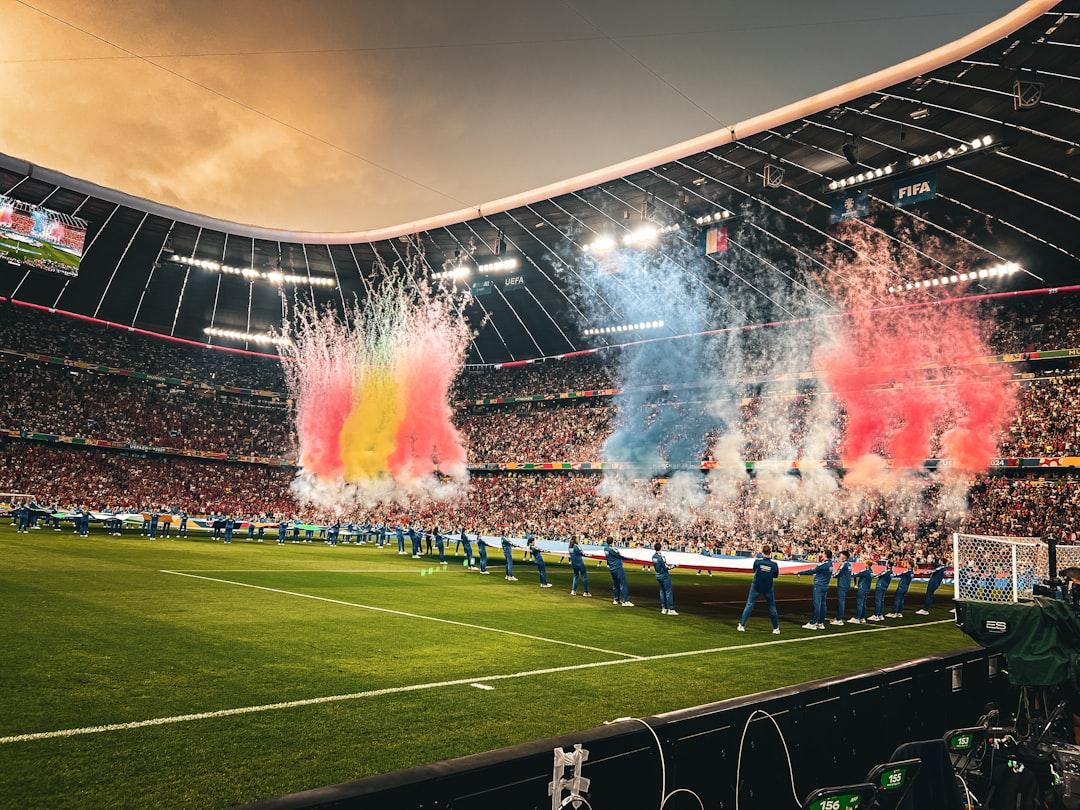
Key Takeaways
The world of international soccer is frequently heralded as a universal language, a rare platform capable of bridging deep-seated ideological divides. However, the recent controversy surrounding Folarin Balogun and Donald Trump’s involvement in the 2026 World Cup narrative suggests that even the most celebrated global events are not immune to the gravitational pull of American political polarization. What was intended to be a moment of national pride has instead devolved into a fractious debate, highlighting how sports figures are increasingly caught in the crosshairs of cultural warfare.
At the heart of the issue is the reaction to Donald Trump’s public engagement with the U.S. Men’s National Team (USMNT) and the broader preparations for the 2026 World Cup, which will be co-hosted by the United States, Mexico, and Canada. While many sports analysts argue that the tournament should serve as a unifying beacon for the country, the discourse surrounding the former president’s commentary has exposed a deep-seated fatigue among fans who wish to keep the pitch free from partisan rhetoric.
Folarin Balogun, the talented striker who made the high-profile decision to represent the United States over England, has become an accidental focal point in this ongoing saga. His commitment to the USMNT was initially celebrated as a massive "win" for American soccer—a sign that the program had finally reached a level of prestige capable of attracting top-tier global talent.
However, the subsequent "brouhaha" surrounding the political framing of the national team has cast a shadow over this milestone. Critics argue that the politicization of the team—whether by domestic politicians or international observers—threatens to alienate segments of the fanbase. The European reaction, often characterized as "pearl-clutching" by domestic observers, has only served to deepen the divide, with many American fans feeling that their domestic sports culture is being unfairly scrutinized through a foreign political lens.
The 2026 World Cup is projected to be the most significant event in the history of soccer in North America. With the eyes of the world turning toward American stadiums, the pressure on the sport to perform both on and off the field is immense. Yet, the current climate suggests that the "unity" usually associated with the World Cup may be harder to achieve than ever before.
- Echo Chambers: Social media platforms have exacerbated the friction, turning nuanced sports analysis into binary political arguments.
- The International Perspective: European media outlets have frequently framed American soccer developments through the prism of Donald Trump’s political influence, a move that many domestic pundits describe as bad-faith reporting.
- Fan Fatigue: A significant portion of the fanbase is expressing frustration, noting that they turn to sports to escape the daily grind of political news, not to see it amplified on the pitch.
As the countdown to 2026 continues, the governing bodies of soccer in the United States face a difficult challenge. They must balance the commercial necessity of high-profile political endorsements with the need to maintain a neutral, welcoming environment for all fans. If the current trajectory continues, the risk is not just a loss of fan engagement, but a permanent scarring of the national team’s brand.
Ultimately, the Balogun narrative serves as a cautionary tale. It underscores that in an era of hyper-connectivity, no public figure or major event is truly isolated from the political zeitgeist. Whether the USMNT can navigate this turbulent landscape to achieve success on the field remains to be seen, but one thing is clear: the road to 2026 will be paved with more than just soccer strategy—it will be defined by the cultural battles that define the contemporary American experience.
Enjoying this article?
Get the daily AI briefing sent straight to your inbox.
Frequently Asked Questions
Why is the 2026 World Cup causing political controversy?
The tournament has become a flashpoint for American political polarization, with high-profile figures and media outlets debating the influence of political rhetoric on the sport.
Who is Folarin Balogun in the context of this controversy?
Folarin Balogun is a star striker for the USMNT whose decision to play for the U.S. became a focal point in broader discussions about national identity and sports politics.
Comments
0Please sign in to leave a comment.
Related articles
Matthew Michael Carnahan Tapped to Direct Thriller 'The Gatekeeper' for Amazon
Amazon MGM Studios has secured Matthew Michael Carnahan to helm the adaptation of James Byrne’s high-stakes thriller, 'Deadlock.'
How to Watch USA vs. Belgium: Round of 16 World Cup 2026 Streaming Guide
The USA faces Belgium in a pivotal Round of 16 clash at Seattle Stadium. Here is how to stream the action live from anywhere in the world.
Why Your Favorite Shows Are Being Snubbed in the 2026 Emmy Nominations
With the 2026 Emmy nominations looming, we break down the complex landscape of TV voting and why some of the year's most popular shows might miss out.