- Australia is replicating its solar success to lead the global development of sustainable, renewable-powered data centers.
- Data center operators are increasingly co-locating facilities with renewable energy sources to minimize carbon footprints.
- Advanced cooling and AI-driven thermal management are being adopted to improve energy efficiency (PUE).
- Federal and state policies in Australia are incentivizing 100% renewable procurement and battery storage integration.
Australia’s Green Blueprint: Revolutionizing Data Center Energy Efficiency
As global AI demand spikes, Australia is setting a new international standard for sustainable data center infrastructure through aggressive renewable integration.
Jul 17, 2026·0 views
Key Takeaways
The digital landscape is undergoing a seismic shift. As the global demand for Artificial Intelligence (AI) and cloud computing services skyrockets, the physical infrastructure supporting these technologies—data centers—has come under intense scrutiny. These facilities are power-hungry behemoths, often viewed as obstacles to national decarbonization goals. However, Australia is once again proving that it can lead the world in energy transition, shifting the narrative from energy-intensive consumption to renewable-powered innovation.
Following its world-leading success in rooftop solar adoption, Australia is now applying the same rigorous policy frameworks and technological ingenuity to the data center sector. By integrating large-scale renewable energy storage with high-efficiency facility design, the nation is positioning itself as a premier global hub for sustainable cloud infrastructure.
To understand why Australia is winning the race for green data centers, one must look at its history. The United States may have pioneered the solar power industry, but Germany scaled it, and Australia perfected the decentralized model. With over one-third of Australian households equipped with rooftop solar, the country has developed a unique grid culture that prioritizes efficiency and distributed energy resources.
This cultural shift toward renewables has filtered into the corporate and industrial sectors. Data center operators in Sydney, Melbourne, and Perth are no longer looking at the grid as a singular, fossil-fuel-dependent source. Instead, they are utilizing 'behind-the-meter' energy solutions, microgrids, and sophisticated power-sharing agreements that mirror the successful rooftop solar model that defined the last decade.
Modern AI models require massive computational power, which generates significant heat and demands constant electricity. Traditionally, this would mean a massive carbon footprint. Australia’s new strategy focuses on two critical pillars: site optimization and aggressive renewable procurement.
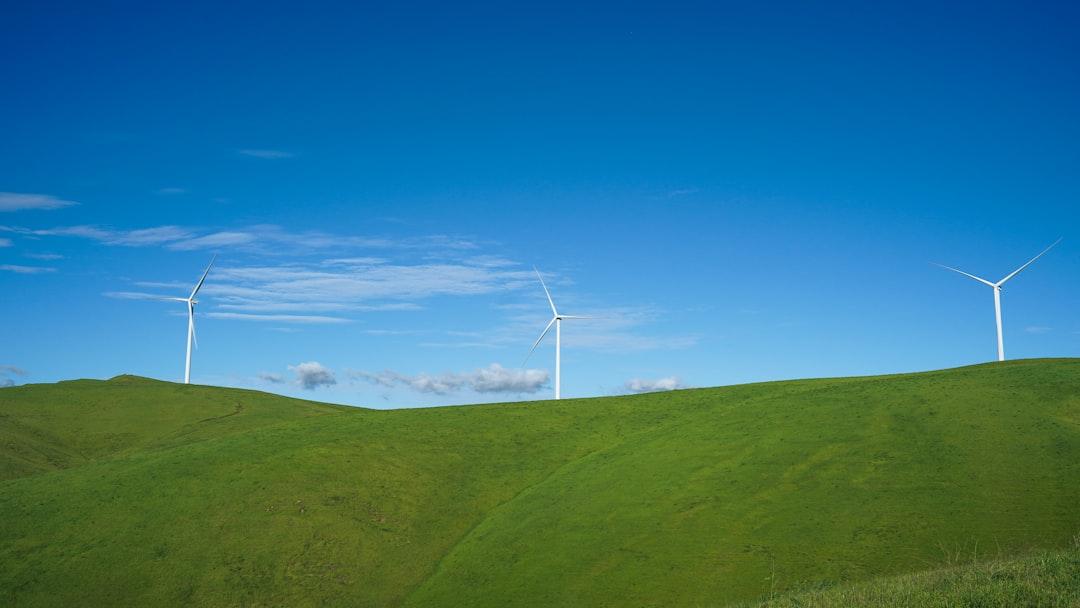
Australia’s vast geographical footprint allows for data centers to be positioned in areas with optimal solar irradiance and wind velocity. By co-locating facilities with renewable energy farms, operators are minimizing transmission losses and ensuring that the electrons powering a server rack are green from the point of generation.
Beyond power generation, the focus has moved to consumption. New Australian data centers are adopting liquid cooling and AI-driven thermal management systems. These technologies reduce the need for energy-intensive air conditioning, allowing facilities to operate at much higher power usage effectiveness (PUE) ratios than their international counterparts.
The success of Australia’s data center evolution is not merely a result of private sector initiative; it is bolstered by robust federal and state policies. The Australian government has recognized that to remain competitive in the global digital economy, the nation must offer not just connectivity, but 'green' connectivity.
Policy incentives are now rewarding operators who commit to 100% renewable energy procurement. Furthermore, the integration of large-scale battery storage projects alongside data centers is being fast-tracked through streamlined regulatory approvals. This allows facilities to buffer energy during peak supply times and draw from their own reserves during high-demand periods, effectively stabilizing the local grid rather than straining it.
As the world watches, Australia’s approach offers a viable roadmap for other nations struggling to reconcile AI growth with climate targets. The 'Australian Model' proves that data center expansion does not have to come at the cost of environmental integrity. By treating data centers as energy-conscious participants in a smart grid, rather than passive consumers, Australia is setting a standard that the European and North American markets are likely to adopt in the coming years.
Ultimately, the convergence of AI, sustainable infrastructure, and smart policy is turning Australia into a critical node in the global digital economy. The nation is no longer just a follower in the tech space; it is a primary architect of the sustainable digital future.
Enjoying this article?
Get the daily AI briefing sent straight to your inbox.
Frequently Asked Questions
Why is Australia becoming a hub for green data centers?
Australia is leveraging its world-leading renewable energy infrastructure and strong policy incentives to attract data center operators committed to sustainability.
How are Australian data centers managing AI's high power demand?
They utilize 'behind-the-meter' energy, large-scale battery storage, and advanced liquid cooling technologies to optimize power usage effectiveness.
Comments
0Please sign in to leave a comment.
Related articles
LEGO’s Electric Revolution: Building the Future of Sustainable Engineering
LEGO has quietly built a diverse collection of electric and hybrid-themed sets. We explore the best kits that celebrate the transition to sustainable energy.

The Best Electric Bikes of October 2026: A Buyer’s Guide for Every Budget
Looking for the perfect electric bike? We analyze the best-tested e-bikes across every price bracket to help you make an informed investment this fall.
EcoFlow Launches 'Tiny Titan' Residential Battery: Scalability Meets Affordability
EcoFlow's latest residential battery system offers a compact, scalable design that allows homeowners to build their energy backup capacity over time.