- Arsène Wenger identifies the 'pay-to-play' model as a major obstacle to US soccer growth.
- Centralized infrastructure, like the new Georgia headquarters, is essential for identity and consistency.
- Coaching education is cited as the most critical factor in bridging the tactical gap with global powers.
- Leadership at US Soccer is aligning with FIFA's vision for long-term structural reform.
Arsène Wenger: US Soccer Success Hinges on Education and Structural Reform
FIFA’s global development chief outlines the necessary evolution for American soccer as the nation builds toward a post-2026 future.
Jul 17, 2026·0 views
Key Takeaways
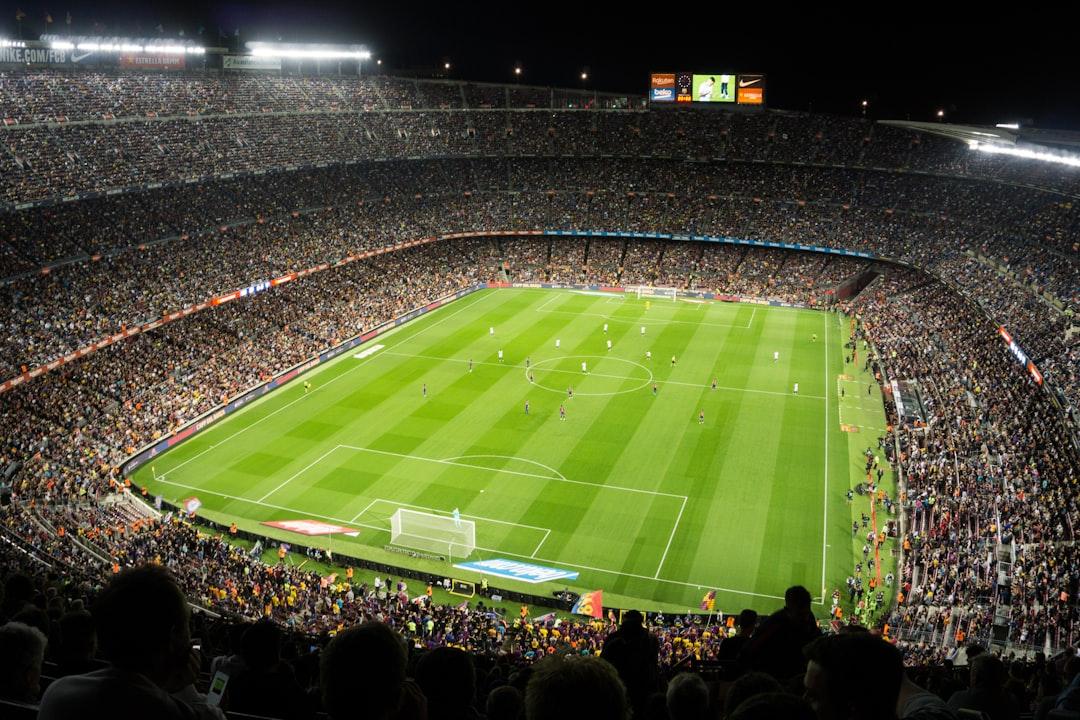
As the world turns its gaze toward the evolution of soccer in the United States, few voices carry as much weight as Arsène Wenger. The former Arsenal manager, now serving as FIFA’s head of global football development, has spent significant time assessing the American landscape. In a recent roundtable discussion with US Soccer CEO JT Batson and COO Dan Helfrich, Wenger underscored a critical reality: the path to becoming a global powerhouse is not paved by stadiums alone, but by a fundamental shift in how the sport is taught and accessed.
One of the most significant barriers identified by Wenger is the entrenched 'pay-to-play' model that has long defined youth soccer in the United States. Historically, this structure has created a socio-economic filter, effectively limiting the talent pool to those with the financial means to afford high-level coaching and travel costs.
Wenger, whose career is defined by his ability to identify and nurture raw talent from diverse backgrounds, argues that this model is fundamentally at odds with the democratization of the sport. To compete with the footballing giants of Europe and South America, the United States must remove these financial hurdles. According to Wenger, the goal is to create a pathway where talent—not wealth—dictates a player’s trajectory.
During the roundtable, the conversation shifted to the importance of physical infrastructure. Wenger expressed genuine optimism regarding the new $250 million US Soccer headquarters in Fayetteville, Georgia. He noted that having a central "home" is vital for the psychological development of players.
- Centralization: The Georgia facility serves as a nerve center for coaching education and talent identification.
- Professionalism: Providing elite facilities signals a commitment to the long-term professionalization of the national team programs.
- Consistency: Wenger emphasized that a "home" allows for a consistent philosophy to be taught from the youth levels all the way to the senior national squads.
Beyond the bricks and mortar of new training centers, Wenger highlighted the critical importance of coaching education. He noted that the development of players is inextricably linked to the quality of their mentors. If the US is to bridge the gap with traditional soccer nations, it must invest heavily in training a new generation of coaches who can implement modern, tactical, and fluid styles of play.
"Consistency is the key," Wenger remarked. He pointed out that while the US has shown flashes of brilliance, the inconsistency in tactical application and player development cycles has prevented the nation from reaching its full potential. By standardizing the curriculum across academies, the federation hopes to produce players who are not only athletic but also tactically intelligent and capable of competing at the highest levels of the global game.
The leadership at the US Soccer Federation, represented by Batson and Helfrich, appears to be in lockstep with Wenger’s vision. The focus has shifted from merely hosting major tournaments to building a sustainable ecosystem that can thrive long after the final whistle of the 2026 cycle.
Wenger’s assessment serves as both a roadmap and a warning. The US possesses the resources, the passion, and the infrastructure to become a dominant force in soccer. However, the transition from a sport that is "growing" to one that is "winning" requires a departure from traditional American youth sports structures. Whether the federation can successfully pivot away from the pay-to-play model and instill a culture of elite, accessible development will likely determine the success of the next decade for the US Men’s and Women’s national teams.
Enjoying this article?
Get the daily AI briefing sent straight to your inbox.
Frequently Asked Questions
What is the primary barrier to US soccer development according to Arsène Wenger?
Wenger highlights the 'pay-to-play' model as a significant structural obstacle that limits access and talent identification based on financial status.
Why is the new US Soccer headquarters in Georgia important?
It provides a centralized home for the federation, fostering a consistent national philosophy and providing elite facilities for player and coach development.
What does Wenger suggest is needed to make the US a global soccer power?
He advocates for structural reform, the elimination of pay-to-play barriers, and a heavy investment in coaching education to ensure tactical consistency.
Comments
0Please sign in to leave a comment.
Related articles

Liverpool Scouting Bundesliga Talent: Is Kaishu Sano the Missing Piece?
Liverpool are reportedly monitoring Mainz midfielder Kaishu Sano, with rumors of a €60m bid circulating as the Reds look to bolster their squad.
Connah's Quay Nomads Exit Conference League After Valiant Kosovo Comeback
The Connah's Quay Nomads have officially exited the UEFA Conference League following a narrow aggregate defeat to FC Ballkani in Kosovo.
Is the Ballon d'Or Race Wide Open? Why the World Cup Final Changes Everything
With European club dominance in flux, the race for the 2026 Ballon d'Or is no longer a foregone conclusion, placing immense pressure on the World Cup final.