- Argentina's playing style blends technical skill with calculated 'dark arts' to control game tempo.
- The 'dirty' label is often a misinterpretation of tactical grit and psychological warfare used to unsettle opponents.
- Lionel Scaloni’s philosophy prioritizes tournament success through collective discipline and physical presence.
- The perception of the team is heavily influenced by their high-profile status and the global scrutiny on Lionel Messi.
Argentina’s World Cup Strategy: Tactical Brilliance or Calculated Aggression?
As Argentina eyes a fourth star, global critics debate whether their gritty, physical approach is a masterclass in psychological warfare or a step too far.
Jul 18, 2026·0 views
Key Takeaways
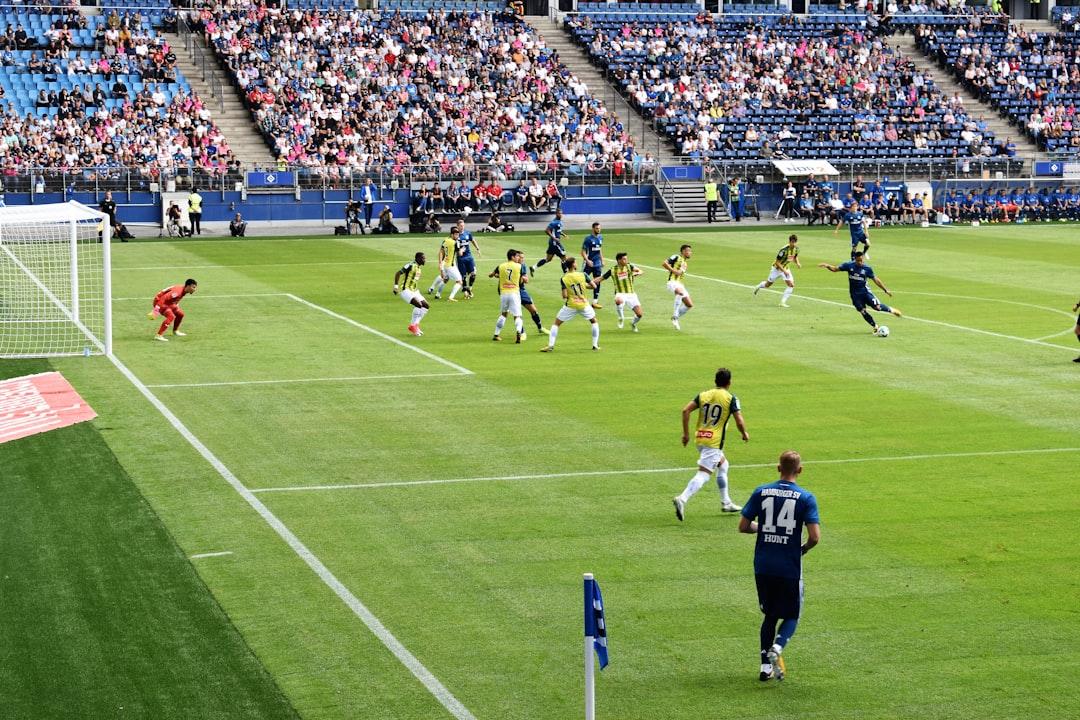
In the high-stakes arena of international football, few teams have polarized opinion as sharply as Lionel Scaloni’s Argentina. As the reigning world champions look toward the 2026 FIFA World Cup, the conversation surrounding their tactical identity has shifted from pure technical brilliance to a more contentious debate: is Argentina a 'dirty' team, or are they simply the most effective practitioners of football’s dark arts?
Critics often point to the aggressive nature of Argentina’s play—the tactical fouls, the heated confrontations with referees, and the relentless psychological pressure applied to opponents. However, to label this approach as merely 'dirty' risks overlooking the intricate, calculated strategy that has defined their recent success on the global stage.
Under Lionel Scaloni, Argentina has developed a unique identity that blends the traditional South American 'garra'—a term synonymous with grit, tenacity, and a never-say-die attitude—with a modern, high-intensity tactical framework. This is not a team that relies solely on the genius of Lionel Messi. Instead, it is a unit built on collective sacrifice and the strategic manipulation of the game's flow.
For Scaloni, football is as much a mental battle as it is a physical one. By engaging in the 'dark arts'—slowing down the game when leading, disrupting the opponent's rhythm, and drawing fouls—Argentina forces teams out of their comfort zones. This isn't necessarily about malice; it is about control. When an opponent loses their composure due to Argentina’s physical presence, they inevitably lose their tactical discipline, handing the advantage directly to the Albiceleste.
There are several reasons why this perception of Argentina has taken hold in the global media:
- High-Profile Confrontations: Matches involving Argentina often feature heated exchanges, which are magnified by global broadcasts and social media.
- Refusal to Back Down: Unlike teams that might retreat under pressure, Argentina’s players are coached to stand their ground, which is often interpreted by neutral fans as antagonism.
- The Messi Factor: Because the world is watching Messi, every minor infraction committed by his teammates is scrutinized under the brightest possible spotlight.
Renowned football analysts have argued that what many perceive as 'dirtiness' is, in fact, a sophisticated form of game management. In an era where VAR and advanced analytics dominate, the ability to manipulate the game’s tempo is a skill that few teams possess.
Argentina’s approach is reminiscent of the great tournament sides of the past—teams that understood that winning a trophy requires more than just beautiful passing. It requires a steeliness that allows a team to survive the most intense moments of a knockout match. By absorbing pressure and using tactical fouls to break up counter-attacks, Argentina ensures that they dictate the terms of engagement, rather than being dictated to by the opposition.
As the footballing world turns its eyes toward the 2026 FIFA World Cup, the question remains: will this strategy continue to yield results, or will the increasing scrutiny from referees force a change in style?
Scaloni’s challenge will be to maintain the team's competitive edge without crossing the line into behavior that could result in disciplinary action. The team has shown that they can adapt, evolve, and overcome, but their reputation as a 'physical' side will likely follow them into every match. Whether one views them as villains or pragmatic winners, one thing is certain: Argentina has mastered the art of winning under pressure, and they are not likely to change their ways anytime soon.
Ultimately, the controversy surrounding Argentina’s play is a testament to their influence. They have forced the rest of the world to reckon with a style of play that prioritizes winning above aesthetic perfection. In the pursuit of a fourth star, Argentina remains the team everyone loves to hate, but even more importantly, the team everyone fears playing.
Enjoying this article?
Get the daily AI briefing sent straight to your inbox.
Frequently Asked Questions
Is Argentina considered a dirty team in professional football?
While critics often label Argentina's aggressive, physical style as 'dirty,' many analysts describe it as a calculated tactical approach designed to control the game and disrupt opponents' momentum.
What is the 'garra' in Argentine football?
'Garra' is a term used to describe the grit, tenacity, and intense fighting spirit that is central to the Argentine approach to football.
How does Lionel Scaloni justify his team's physical approach?
Scaloni focuses on winning as a collective unit, utilizing tactical fouls and psychological pressure to maintain control and ensure that the team dictates the flow of the match.
Comments
0Please sign in to leave a comment.
Related articles
Noni Madueke Praises Arsenal’s 'Champions' Mentality After Nottingham Forest Win
Noni Madueke has publicly lauded Arsenal’s recent performance against Nottingham Forest, noting a distinct 'champions' spirit within Mikel Arteta’s squad.
Alessio Tacchinardi Slams Juventus and Spalletti Amid Stagnation Concerns
Former midfielder Alessio Tacchinardi has delivered a scathing critique of Juventus and Luciano Spalletti, arguing that neither the club nor the national team shows signs of progress.
PSG Stunned: Nuno Mendes Injury Rules Star Out of Barcelona Showdown
Paris Saint-Germain faces a defensive crisis as star Nuno Mendes is ruled out for several weeks due to a muscle injury, missing the crucial Barcelona clash.