- England and Argentina share a historic and intense World Cup rivalry, marked by iconic and controversial moments.
- Key matches include the 1986 quarter-final with Maradona's 'Hand of God' and 'Goal of the Century', and the 1990 and 1998 Round of 16 ties featuring David Beckham's red cards.
- These encounters are defined by national pride, tactical battles, and the enduring quest for football supremacy between the two nations.
Argentina vs. England: A World Cup Rivalry Forged in Controversy and Brilliance
From the 'Hand of God' to Beckham's redemption, the storied history between these football giants continues to captivate.
Jul 12, 2026·0 views
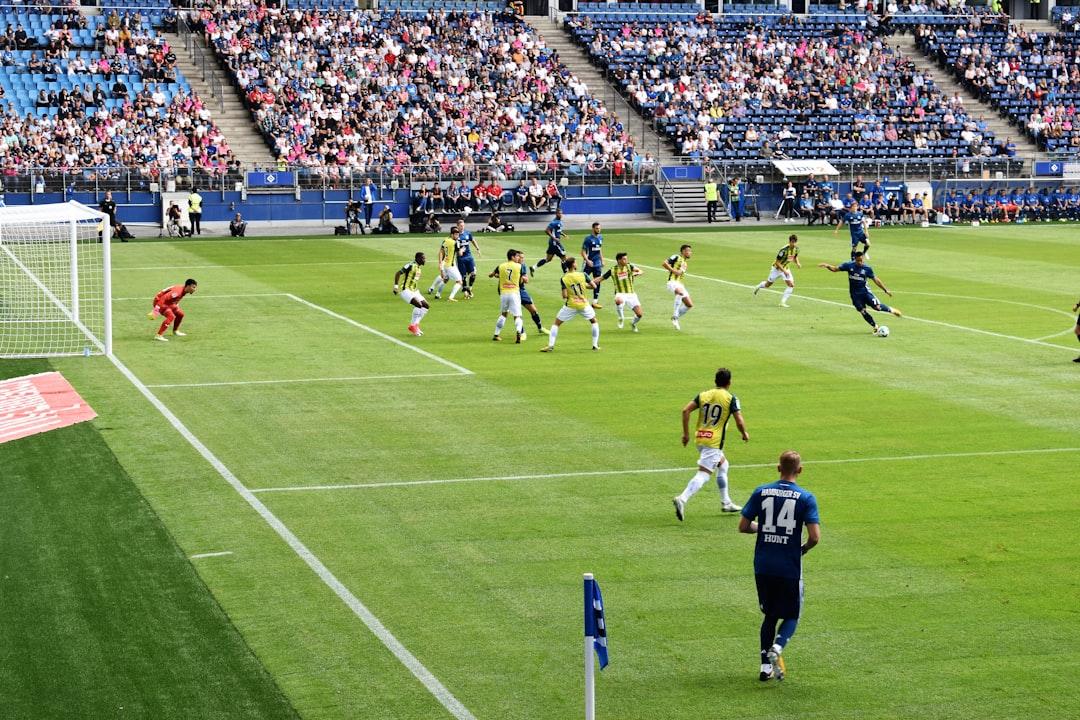
Key Takeaways
The stage is set for another chapter in one of international football's most compelling and storied rivalries as England and Argentina prepare to face off. This enduring contest is more than just a match; it's a tapestry woven with controversy, moments of sheer brilliance, and deeply ingrained national pride. Over the decades, their encounters on the World Cup stage have etched themselves into footballing folklore, leaving indelible marks on the memories of fans and players alike.
Perhaps the most infamous encounter between these two nations occurred in the 1986 World Cup quarter-finals in Mexico. The match is forever defined by Diego Maradona's controversial opening goal, famously dubbed the 'Hand of God.' In a moment of audacious brilliance and outright rule-bending, Maradona punched the ball into the net past England goalkeeper Peter Shilton. While controversial, it was a goal that set the tone for Argentina's eventual triumph in that tournament and remains a potent symbol of Maradona's genius and enigmatic persona.
Just minutes later, however, Maradona delivered a moment of pure, unadulterated footballing magic. He embarked on a mesmerizing solo run from his own half, evading tackle after tackle from the England defense before slotting the ball home. This goal, often cited as the 'Goal of the Century,' showcased the duality of Maradona's legacy – the trickster and the maestro.
For England, this match represented a bitter end to their 1986 campaign and a stark reminder of their quest to recapture the glory of their sole World Cup victory in 1966. The shadow of that triumph, and the sting of perceived injustices against Argentina, has long fueled the competitive fire between the two footballing powerhouses.
The rivalry's intensity was palpable again at the 1990 World Cup in Italy. This time, the stage was the Round of 16, and the match was a tense, tactical affair that ultimately went to penalties. The defining image from this encounter is not a goal, but a moment of youthful indiscretion and subsequent heartbreak. England's rising star, David Beckham, was controversially sent off for a petulant kick at Diego Simeone, Argentina's combative midfielder.
Beckham's red card left England with ten men, and the match eventually ended in a penalty shootout, which Argentina won. The image of a dejected Beckham walking off the pitch, his dreams seemingly dashed, became an iconic symbol of English footballing woe for years to come. It was a moment that deeply affected Beckham and the nation, fueling a desire for redemption.
Fate has a way of bringing rivals back together, and it did so for England and Argentina in the Round of 16 of the 1998 World Cup in France. This match was a pulsating, end-to-end encounter that lived up to the billing. It saw another red card, this time for Argentina's Ariel Ortega, and a stunning goal from Michael Owen for England. However, the narrative of this game was inextricably linked to the ghost of Italia '90.
David Beckham, now a more experienced and composed player, found himself at the center of the action once more. This time, he was the target of provocation, and in a moment that felt like a karmic echo of four years prior, he retaliated against Diego Simeone, earning himself a red card. The match eventually went to penalties, with Argentina emerging victorious once again. While Beckham's red card was a significant talking point, the game was also remembered for its thrilling football and the sheer drama it produced.
Beyond these landmark World Cup encounters, the rivalry between England and Argentina has been punctuated by numerous other significant matches and individual battles. The passion of the fans, the tactical battles between managers, and the sheer star power on display in both nations' squads have consistently elevated their meetings.
Argentina, with its rich history of footballing legends like Maradona and Lionel Messi, has often held the upper hand in World Cup clashes. England, while boasting its own array of stars and a passionate fanbase, has often struggled to overcome the South American giants on the biggest stage.
As these two footballing nations prepare to potentially lock horns once more, the anticipation is immense. The echoes of past glories and controversies will undoubtedly resonate, adding another layer of intrigue to what promises to be a captivating contest. The 'Hand of God,' Beckham's red card, and the enduring quest for supremacy – these are the elements that make the Argentina vs. England World Cup rivalry one of the most captivating in the history of the beautiful game.
Enjoying this article?
Get the daily AI briefing sent straight to your inbox.
Frequently Asked Questions
What is the most famous controversial moment in England vs. Argentina World Cup history?
The most famous controversial moment is Diego Maradona's 'Hand of God' goal in the 1986 World Cup quarter-finals, where he punched the ball into the net.
When did David Beckham receive his infamous red card against Argentina?
David Beckham received his first infamous red card against Argentina in the Round of 16 of the 1990 World Cup, and another in the 1998 World Cup Round of 16.
How many times have England and Argentina met in the World Cup?
England and Argentina have met multiple times in the World Cup, with significant encounters in 1966, 1986, 1998, and 2002.
Comments
0Please sign in to leave a comment.
Related articles
Hansi Flick’s Barcelona Blueprint: Tactical Overhauls and the La Masia Renaissance
Hansi Flick begins his inaugural campaign at FC Barcelona facing a pivotal pre-season. From radical tactical shifts to the integration of a new generation of youth stars, we analyze the strategic pillars of the Flick era.
Manchester City’s Youth Revolution: The Jeremy Monga Integration and the Strategic Blueprint for 2026
Manchester City has confirmed that 17-year-old sensation Jeremy Monga will join the first-team pre-season tour of Asia. This move signals a deeper shift in the club's talent management strategy ahead of the 2026-27 campaign.
Beyond the Rumor Mill: Why Curtis Jones is Essential to Arne Slot’s Liverpool Revolution
Curtis Jones has broken his silence on transfer speculation linking him with a move away from Liverpool. As Arne Slot shapes his squad, we analyze why the homegrown talent remains a cornerstone of the Reds' tactical future.