- The 2002 England vs. Argentina match was a pivotal moment for David Beckham, offering him a chance at redemption following his 1998 red card.
- Beckham scored the winning goal via a penalty kick in the 44th minute after Michael Owen was fouled.
- The 1-0 victory was a tactical triumph for England, showcasing defensive resilience against a formidable Argentine squad.
- The result effectively eliminated Argentina from the 2002 World Cup, cementing the match's place in football history.
Argentina vs England 2002: How David Beckham Found Redemption in Sapporo
Revisiting the iconic 2002 World Cup clash where David Beckham exorcised the ghosts of his 1998 red card against Argentina.
Jul 13, 2026·1 views
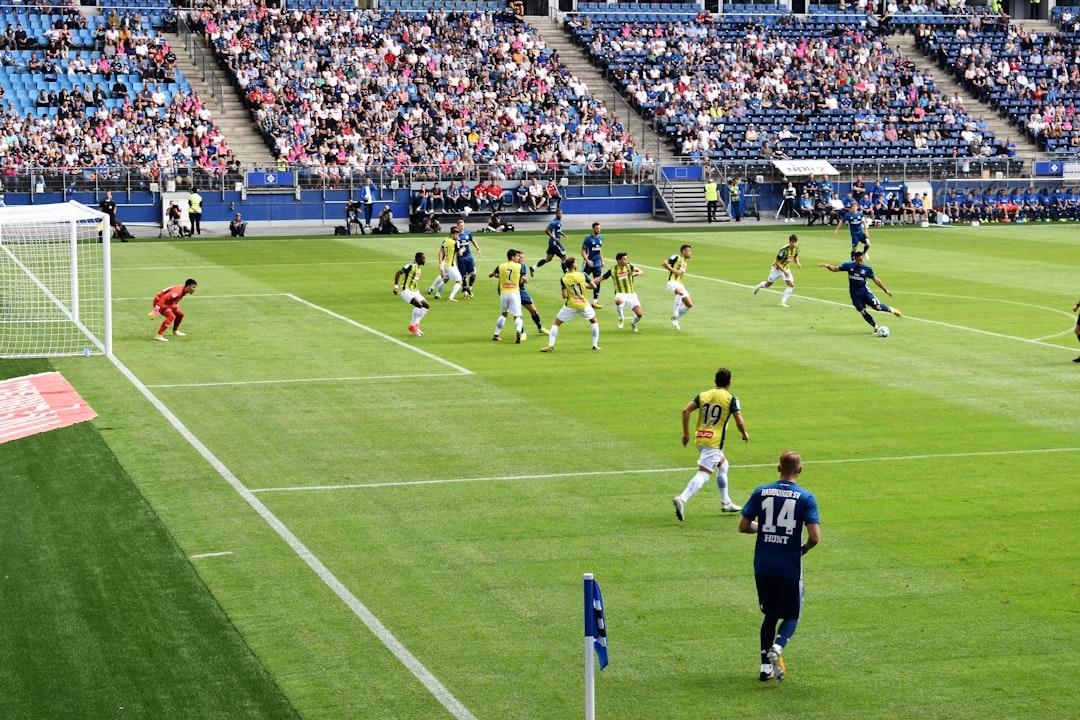
Key Takeaways
The history of international football is littered with rivalries, but few possess the visceral intensity of England versus Argentina. When the two sides were drawn together in the group stages of the 2002 FIFA World Cup in South Korea and Japan, the narrative was already written. Four years prior, at the 1998 World Cup in France, a young David Beckham had been sent off for a petulant flick at Diego Simeone, an act that many blamed for England’s subsequent exit. By 2002, Beckham was not just a player; he was the captain of his country and a global icon carrying the weight of a nation’s expectations.
To understand the magnitude of the 2002 fixture, one must revisit the trauma of Saint-Étienne. In 1998, England was eliminated on penalties after Beckham’s dismissal left them shorthanded. The aftermath was brutal for the Manchester United midfielder, who faced vitriol from the press and abuse from opposing fans across the Premier League. For the four years leading up to the Sapporo Dome showdown, the shadow of that red card loomed large. The 2002 tournament offered the ultimate stage for a narrative arc that seemed almost too perfect for a sports script: a chance for Beckham to face his demons against the very team that had accelerated his descent into national scapegoating.
On June 7, 2002, the atmosphere in the Sapporo Dome was electric. Both teams knew that a loss could signal an early exit from the tournament. Argentina, managed by Marcelo Bielsa, entered the match as favorites, boasting a star-studded squad including Gabriel Batistuta, Juan Sebastián Verón, and, ironically, Diego Simeone.
England, under Sven-Göran Eriksson, played with a disciplined, tactical rigidity. The breakthrough arrived in the 44th minute. Michael Owen, whose pace had terrorized defenses throughout the tournament, was brought down in the penalty area by Mauricio Pochettino. The referee pointed to the spot, and the entire world held its breath.
Standing over the ball was David Beckham. It was a moment of profound psychological pressure. The cameras focused on the captain’s face—a mask of intense concentration. With a calm, measured run-up, Beckham smashed the ball into the net, sending goalkeeper Pablo Cavallero the wrong way. The relief in the stadium was palpable. It was more than a goal; it was an exorcism.
While the penalty remains the highlight, the match was a masterclass in defensive resilience. Argentina dominated possession in the second half, throwing everything they had at the English backline. Rio Ferdinand and Sol Campbell were imperious, while David Seaman made several crucial saves to deny the Argentine onslaught.
England’s ability to hold onto the 1-0 lead demonstrated a maturity that had been lacking in previous tournament campaigns. By securing the win, England effectively knocked Argentina out of the tournament, as they would later fail to progress from the group after a draw with Sweden. The victory in Sapporo served as a turning point for the 'Golden Generation,' proving they could compete with and beat the world's elite on the biggest stage.
Looking back, the 2002 match was the defining moment of Beckham’s international career. It transformed the public perception of him from a liability to a leader. The 'Redemption of Beckham' became a staple of English sporting folklore, highlighting the thin line between failure and heroism in elite sports.
Today, the match serves as a reminder of how high-stakes sporting events can heal personal wounds. For fans, it remains one of the most memorable mornings in English football history, a testament to the drama that only the World Cup can provide. As we look toward future tournaments, the echoes of Sapporo continue to remind us that in football, redemption is always just one kick away.
Enjoying this article?
Get the daily AI briefing sent straight to your inbox.
Frequently Asked Questions
Did England beat Argentina in the 2002 World Cup?
Yes, England defeated Argentina 1-0 in the group stage of the 2002 FIFA World Cup thanks to a penalty goal by David Beckham.
Why was the 2002 England vs. Argentina game considered a redemption for Beckham?
It was considered redemption because Beckham had been sent off against Argentina in the 1998 World Cup, which many blamed for England's exit.
Who scored the winning goal for England against Argentina in 2002?
David Beckham scored the only goal of the match from the penalty spot in the 44th minute.
Comments
0Please sign in to leave a comment.
Related articles
Real Madrid Finalizing Key Contract Renewals to Secure Future Core
Real Madrid is currently finalizing paperwork for major contract renewals, ensuring that their brightest young stars remain at the Santiago Bernabéu.
Kylian Mbappé Claims Onze d'Or Trophy Ahead of Ballon d'Or Ceremony
As the football world turns its eyes toward the Ballon d'Or, Kylian Mbappé has been honored with the Onze d'Or, underscoring a dominant year on the pitch.
Premier League Injury Crisis: Updates on Erling Haaland and Antoine Semenyo
Manchester City's Erling Haaland and Bournemouth's Antoine Semenyo have emerged as injury concerns, casting doubt over their availability for upcoming fixtures.