- Argentine football legend Antonio Rattín has passed away at the age of 89.
- Rattín was a lifelong Boca Juniors icon and a key figure in Argentine football history.
- His controversial dismissal during the 1966 World Cup led to the creation of the yellow and red card system.
- The introduction of cards was designed to bridge language barriers between referees and players during international matches.
Antonio Rattín, The Argentine Legend Who Inspired the Red Card, Dies at 89
The Boca Juniors icon's historic expulsion at the 1966 World Cup fundamentally transformed how football is officiated worldwide.
Jul 11, 2026·0 views
Key Takeaways
The world of football is mourning the loss of one of its most enigmatic and influential figures. Antonio Rattín, the towering Argentine midfielder and Boca Juniors icon, has passed away at the age of 89. While his club career was defined by loyalty and grit, Rattín is perhaps best remembered on the global stage for an incident in 1966 that would go on to reshape the officiating of the beautiful game forever.
Born in Tigre, Argentina, in 1937, Rattín spent his entire professional career with the Buenos Aires giants, Boca Juniors. Between 1956 and 1970, he became the heartbeat of the team, captaining them to multiple domestic league titles and embodying the 'La Mitad Más Uno' (The Half Plus One) spirit that defines the club’s passionate fanbase. Standing at 6-foot-3, he was a physical presence on the pitch, known for his tactical intelligence and an uncompromising style of play.
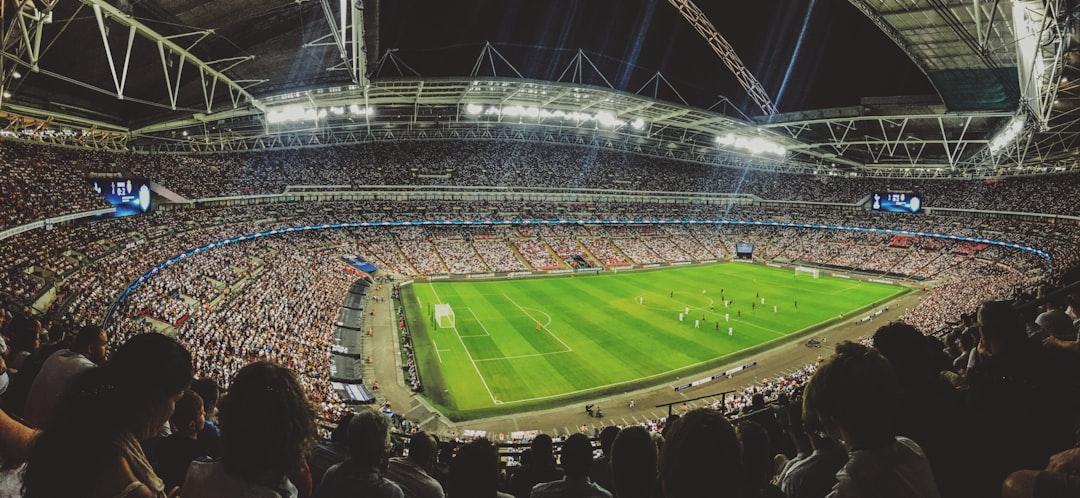
To understand Rattín’s global impact, one must look back to the 1966 FIFA World Cup held in England. The quarter-final match between Argentina and the host nation at Wembley Stadium remains one of the most controversial encounters in tournament history. Rattín, captaining the Argentine side, was involved in a series of heated disputes with West German referee Rudolf Kreitlein.
During the match, Rattín was sent off for what the referee described as 'violence of the tongue.' However, the language barrier created a chaotic scene. Rattín, not understanding the official’s German, refused to leave the pitch, demanding an interpreter and an explanation for his dismissal. In a moment of pure, defiant theater, Rattín sat on the red carpet reserved for the Queen of England, a gesture that served as the ultimate protest against the officiating.
This standoff lasted several minutes and brought the game to a standstill. It was this confusion—the lack of a clear, universal communication tool—that prompted FIFA to rethink how referees managed player discipline.
Ken Aston, the English referee who was in charge of the referees’ committee at the time, watched the Rattín incident unfold from the sidelines. He recognized that the lack of a visual signal led to unnecessary friction and prolonged delays. Inspired by the colors of traffic lights—universally understood symbols—Aston proposed the implementation of a yellow card to caution players and a red card to eject them.
This system was first implemented at the 1970 World Cup in Mexico. Today, it is impossible to imagine professional football without this mechanism. Rattín’s defiance served as the catalyst for a system that has since been adopted by virtually every sport that requires formal officiating.
Beyond his role in international football history, Rattín remains a deity for Boca Juniors supporters. He played 352 matches for the club, scoring 28 goals. His departure from the pitch in 1970 was marked by a tribute that few players ever receive, solidifying his status as a club legend.
Even after his retirement, Rattín remained deeply involved in the sport, serving as a coach and a public figure in Argentine football. His influence extended beyond his tactical contributions; he was a symbol of the 'garra' (grit) that Argentine players are celebrated for worldwide.
As the football community reflects on his life, it is clear that Rattín’s legacy is twofold. He was a master of the midfield during a golden era of Argentine football, and he was the unwilling catalyst for the most significant procedural change in the history of the sport.
Whether he was marshalling the midfield at La Bombonera or standing his ground at Wembley, Rattín was a man of conviction. His passing marks the end of an era for Boca Juniors and serves as a reminder of how one moment of tension can lead to a global standard that protects the integrity and flow of the sport for generations to come.
Football fans and historians alike will continue to recognize the name Antonio Rattín not just for his defensive prowess, but as the man who inadvertently forced the world to standardize the language of the game.
Enjoying this article?
Get the daily AI briefing sent straight to your inbox.
Frequently Asked Questions
Why did Antonio Rattín inspire the creation of red and yellow cards?
During the 1966 World Cup, Rattín's confusion over a language barrier with the referee caused a long delay in the game, prompting FIFA to adopt a universal visual system for discipline.
How long did Antonio Rattín play for Boca Juniors?
Rattín played for Boca Juniors for his entire professional career, spanning from 1956 to 1970, appearing in 352 matches.
Comments
0Please sign in to leave a comment.
Related articles
Athletic Club Crisis: Gorka Guruzeta Out for Season With ACL Injury
Athletic Club confirms Gorka Guruzeta will miss the remainder of the season after suffering a season-ending cruciate ligament injury against Valencia CF.

Napoli Star Alisson Santos Faces Another Injury Setback After Return
Napoli’s momentum hits a snag as Alisson Santos suffers a fresh injury blow immediately following his return to the pitch.
Kamari Doyle Urges Leicester City to Build Momentum After Doncaster Victory
Leicester City midfielder Kamari Doyle believes the club's recent triumph over Doncaster is the catalyst needed to spark a consistent winning streak.