- England will face Mexico in the FIFA World Cup Round of 16 in Mexico City, a venue located at 2,240 meters (7,350 feet) above sea level.
- The high altitude presents a significant physiological challenge for non-acclimatized athletes, impacting oxygen uptake, endurance, and recovery.
- England coach Thomas Tuchel has downplayed the need for special 'altitude pills,' emphasizing standard preparation and mental strength.
- The match will test England's physical and mental fortitude, while Mexico will benefit from their natural acclimatization and home-ground advantage.
- Tactical adaptations, including energy conservation and player management, will be crucial for England to navigate the challenging conditions.
Altitude Challenge: England Faces Mexico in High-Stakes World Cup Clash
Coach Thomas Tuchel Dismisses Special Preparations Amidst Acclimatization Concerns for Round of 16 Showdown
Jul 5, 2026·0 views
Key Takeaways
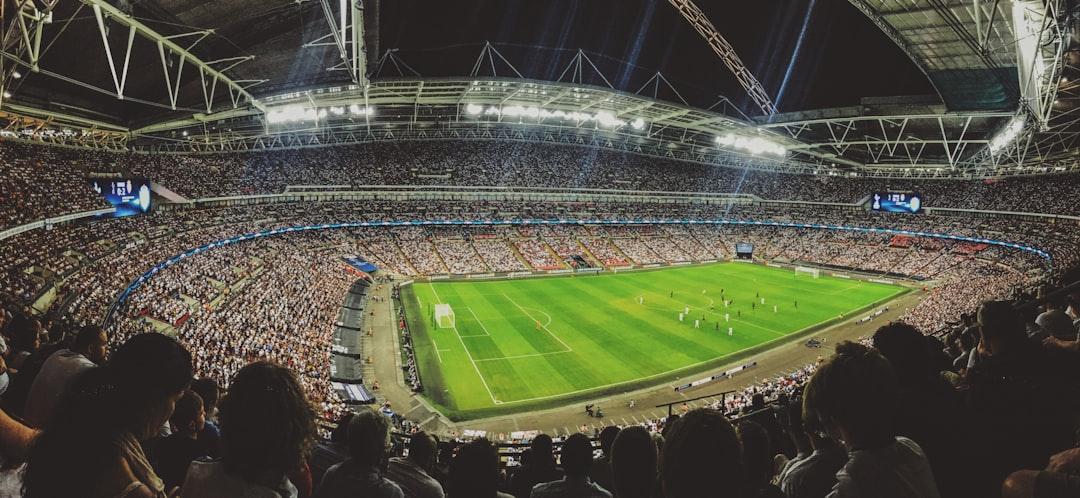
The FIFA World Cup Round of 16 clash between England and host nation Mexico, scheduled for this Sunday, carries an additional layer of complexity beyond mere footballing prowess. The match will be contested in Mexico City, a metropolis situated at a formidable altitude of 2,240 meters (approximately 7,350 feet) above sea level. This elevation introduces a significant physiological challenge for non-acclimatized athletes, a factor that has become a central talking point ahead of the crucial knockout fixture.
England's head coach, Thomas Tuchel, addressed these concerns with characteristic candor, reportedly dismissing the notion of his team resorting to specialized 'altitude pills' to mitigate the effects. With a laugh, Tuchel conveyed a message of confidence in his team's standard preparation and mental fortitude, indicating a pragmatic approach to the unique conditions.
Playing at 2,240 meters significantly reduces the partial pressure of oxygen in the atmosphere. For an athlete, this translates directly to a decreased oxygen uptake capacity, impacting aerobic performance. The human body, when exposed to such altitudes without prior acclimatization, typically experiences several physiological responses:
- Reduced VO2 Max: The maximum rate at which oxygen can be consumed during intense exercise decreases, leading to quicker fatigue and diminished endurance.
- Increased Heart Rate and Respiration: The body compensates for lower oxygen availability by pumping blood faster and breathing more rapidly, placing additional strain on the cardiovascular and respiratory systems.
- Impaired Recovery: The recovery process between bursts of activity, or even between halves, can be slower due to the sustained physiological stress.
- Potential for Altitude Sickness: While professional athletes are generally in peak physical condition, symptoms such as headaches, nausea, dizziness, and general malaise can still affect performance.
For a high-intensity sport like football, where sustained running, sprints, and rapid decision-making are critical, these effects can be profound. Players unaccustomed to such conditions often find themselves struggling for breath earlier, experiencing muscle fatigue more quickly, and seeing a drop in overall work rate during the latter stages of a match.
The impact of altitude on sporting events is well-documented. The 1968 Mexico City Olympics famously saw numerous world records broken in short-distance events due to reduced air resistance, while endurance events proved significantly more challenging. In football, teams regularly playing at high altitudes, such as those in the Bolivian or Ecuadorian leagues, often possess a distinct home advantage. Their bodies are physiologically adapted, making the breathless conditions for visiting teams a strategic weapon.
Teams preparing for high-altitude matches typically employ various strategies. These can range from arriving several weeks in advance for full acclimatization, using hypoxic tents to simulate altitude training, or focusing on tactical adjustments like conserving energy, slowing the pace of the game, and making judicious substitutions. Tuchel's dismissal of 'altitude pills' suggests a reliance on more conventional methods, emphasizing mental preparation and perhaps a belief in the inherent adaptability of his elite squad.
Beyond the physiological challenge, Tuchel also reportedly dismissed any notion of 'revenge' in the context of the upcoming match. This suggests a desire to keep his team's focus squarely on the present task rather than being sidetracked by historical narratives or past encounters. In knockout football, a clear mindset and an objective approach are paramount, and Tuchel's comments underscore a strategy aimed at minimizing external distractions.
The 'revenge' narrative could stem from various historical footballing contexts, whether past World Cup disappointments, controversial decisions, or perceived slights between the two nations. However, for a coach of Tuchel's caliber, the priority is always the immediate tactical battle and the performance on the day.
For England, the strategic implications are considerable. Their fitness staff will undoubtedly have developed protocols for hydration, nutrition, and recovery. The tactical plan might involve a more conservative start, careful management of player energy levels, and potentially a higher rate of substitutions to introduce fresh legs. The ability to control possession and dictate the tempo of the game will be crucial to avoid being drawn into an exhausting end-to-end contest.
Conversely, Mexico will undoubtedly leverage their natural advantage. Their players are accustomed to the conditions, and their home crowd will provide an additional boost, amplifying the pressure on the visiting English side. Their tactical approach might involve a high-tempo pressing game, particularly in the initial phases, aiming to exploit England's potential struggles with oxygen debt.
Ultimately, the Mexico City altitude will be an undeniable protagonist in this World Cup Round of 16 encounter. While Thomas Tuchel's confident dismissal of extraordinary measures signals a belief in his team's resilience and standard preparation, the scientific realities of playing at 2,240 meters will test every aspect of England's physical and mental fortitude. The match promises to be not just a battle of footballing skill, but also a profound test of human adaptation and strategic ingenuity.
Enjoying this article?
Get the daily AI briefing sent straight to your inbox.
Frequently Asked Questions
What is the altitude of Mexico City where the match will be played?
The FIFA World Cup Round of 16 match between England and Mexico will be played in Mexico City, which is situated at an altitude of 2,240 meters (approximately 7,350 feet) above sea level.
How does high altitude affect football players?
High altitude reduces oxygen availability, leading to decreased oxygen uptake, quicker fatigue, impaired recovery, and increased heart rate and respiration for unacclimatized players. This can significantly impact endurance and performance in high-intensity sports like football.
Did England's coach Thomas Tuchel plan to use special altitude medication?
No, England's head coach Thomas Tuchel reportedly denied any plans to use 'altitude pills' for his team, emphasizing a focus on standard preparation, mental resilience, and adapting to the conditions rather than extraordinary medical measures.
What advantages does Mexico have playing at this altitude?
Mexico, as the home nation, benefits from its players being naturally acclimatized to the high altitude, giving them a physiological advantage over non-acclimatized opponents. Additionally, playing at home provides strong crowd support, further boosting their performance.
Comments
0Please sign in to leave a comment.
Related articles
French Football Federation President Condemns Racist Remarks by Chilavert
Fédération Française de Football president Philippe Diallo has officially condemned racist remarks made by José Luis Chilavert, sparking a global conversation on sportsmanship.

Angel City FC Investigates Fireworks Mishap Following Home Match Victory
Following a celebratory fireworks display at Angel City FC's latest win, the organization is investigating a safety malfunction that sent debris into the crowd.

Thomas Tuchel Praises Mexico Fans as England Prepares for International Clash
Thomas Tuchel has publicly commended the Mexican fanbase for their respectful conduct, countering international speculation regarding team safety ahead of their upcoming fixture.