- AI systems used in hiring are found to be more prone to developing and perpetuating biases than humans, often by learning from historical data.
- This bias can unfairly disadvantage candidates from underrepresented groups, impacting workforce diversity and equity.
- An individual has been arrested for allegedly sabotaging weather monitoring stations, highlighting vulnerabilities in critical infrastructure.
- Tampering with weather data can lead to inaccurate forecasts, jeopardizing public safety, economic stability, and scientific research.
AI Hiring Bias Revealed, Weather Data Sabotage Under Scrutiny
New research highlights concerning biases in AI recruitment tools, while an alarming act of weather data sabotage raises national security questions.
Jul 20, 2026·0 views
Key Takeaways
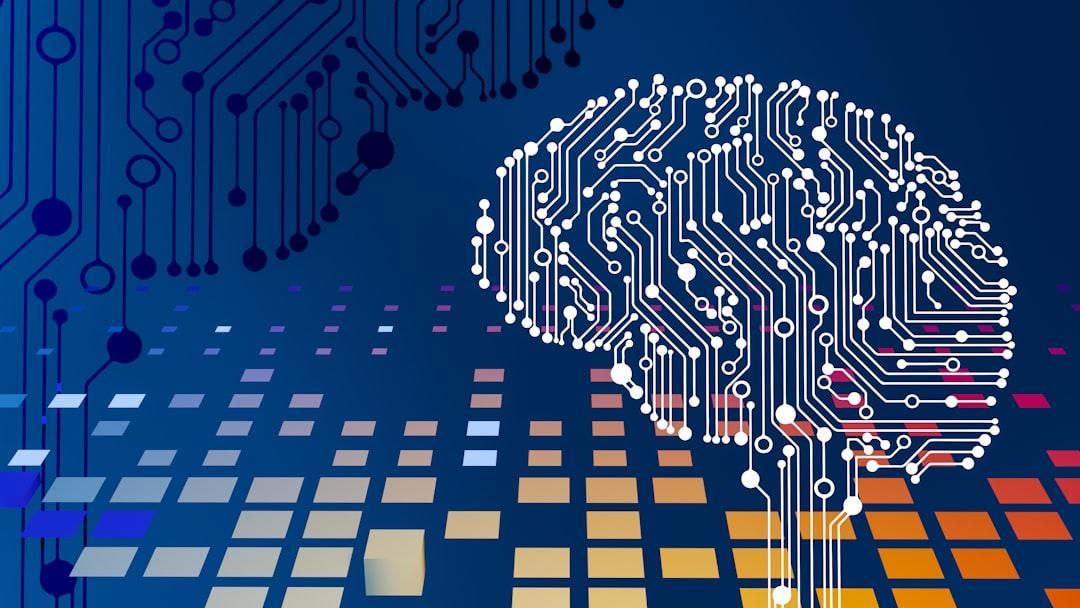
The integration of Artificial Intelligence (AI) into the hiring landscape promises efficiency and objectivity, yet a recent study suggests a more complex reality. Far from eliminating human prejudice, AI systems, particularly those used for resume screening, may be more prone to developing and perpetuating biases than their human counterparts. This revelation casts a significant shadow over the future of recruitment and raises critical questions about fairness and equity in the job market.
When organizations turn to AI to sift through thousands of applications, the expectation is often a neutral, data-driven evaluation. However, the algorithms are trained on historical data, which frequently reflects existing societal biases. If past hiring decisions favored certain demographics, the AI will learn to replicate those patterns, effectively automating discrimination. This means that candidates from underrepresented groups could be unfairly disadvantaged, not because of their qualifications, but because the AI has been inadvertently programmed to overlook them.
Researchers have found that AI systems can exhibit bias in several ways:
- Pattern Recognition: AI excels at identifying patterns. If historical data shows a correlation between certain educational institutions or previous employers and successful hires, the AI might unfairly penalize candidates from less prestigious backgrounds, regardless of their actual skills.
- Keyword Sensitivity: Résumé screening tools often look for specific keywords. If these keywords are more prevalent in the résumés of a particular demographic due to societal or linguistic factors, others might be overlooked.
- Implicit Associations: AI can pick up on subtle, implicit associations within the training data that mirror human unconscious biases, such as gendered language in job descriptions or résumés.
The implications of these findings are profound. As AI becomes more sophisticated and widespread in its application, the potential for systemic bias to become embedded in hiring processes grows. This could lead to a less diverse workforce and hinder efforts to promote equality in the professional sphere. Companies are now facing increased pressure to audit their AI recruitment tools rigorously and ensure they are designed and implemented ethically.
In a separate, alarming development, authorities have apprehended an individual suspected of deliberately sabotaging a network of weather monitoring stations. This act, seemingly isolated, has sent ripples of concern through meteorological agencies and national security circles, highlighting the vulnerability of critical infrastructure to malicious intent.
Weather data is far from a mere curiosity; it forms the bedrock of countless essential services and decisions. Accurate meteorological information is vital for:
- Public Safety: Forecasting severe weather events like hurricanes, tornadoes, and blizzards allows for timely evacuations and preparedness measures, saving lives.
- Economic Stability: Industries such as agriculture, aviation, shipping, and energy rely heavily on precise weather predictions for planning and operations. Disruptions can lead to significant financial losses.
- Emergency Response: First responders utilize weather data to effectively manage and mitigate the impact of natural disasters.
- Climate Research: Long-term weather data is crucial for understanding climate change and developing strategies to address its effects.
The deliberate interference with weather monitoring systems can have cascading consequences. If data becomes unreliable, forecasts become inaccurate. This can lead to:
- False Alarms: Over-preparation due to erroneous severe weather warnings can cause unnecessary disruption and economic cost.
- Missed Warnings: Underestimation of threats due to faulty data can leave communities dangerously unprepared for impending hazards.
- Data Corruption: Sabotaged sensors can introduce errors that contaminate historical records, potentially skewing long-term climate models and research.
Authorities are currently investigating the full extent of the damage and the motive behind the alleged sabotage. The incident underscores the growing need for robust cybersecurity measures and physical security protocols for all forms of critical national infrastructure, including environmental monitoring networks. The interconnectedness of modern systems means that an attack on one seemingly minor component can have far-reaching and unpredictable effects.
As technology continues to advance, so too do the methods by which it can be exploited. The dual narratives of AI's potential for bias and the tangible threat of infrastructure sabotage serve as stark reminders of the ongoing challenges in harnessing technological progress responsibly and securely.
Enjoying this article?
Get the daily AI briefing sent straight to your inbox.
Frequently Asked Questions
How can AI in hiring perpetuate bias?
AI systems learn from historical hiring data. If this data reflects past human biases (e.g., favoring certain demographics, educational institutions, or employers), the AI will learn to replicate these patterns, leading to discriminatory outcomes in candidate screening.
Why is weather data important?
Accurate weather data is crucial for public safety (forecasting severe events), economic activities (agriculture, aviation, energy), emergency response, and scientific research into climate change. Its disruption can have widespread negative consequences.
What are the potential impacts of weather data sabotage?
Sabotage can lead to inaccurate weather forecasts, causing either dangerous underestimations of threats or unnecessary disruptions from false alarms. It also corrupts historical data, hindering long-term climate research and planning.
Comments
0Please sign in to leave a comment.
Related articles

Anthropic Overhauls AI Usage Policy to Combat Sophisticated Digital Threats
Anthropic has released a significant update to its usage policy, targeting the rise of AI-driven influence operations and autonomous capabilities.
Elon Musk Pledges SpaceX Equity to Every American Child in Bold Wealth Initiative
Elon Musk has announced a historic plan to grant SpaceX shares to every child in America, a move valued at over $10 billion.
Apple Cracks Down on 'Nudify' AI Apps in App Store Policy Overhaul
Apple is taking aggressive action against 'nudify' apps that hide their true functionality to bypass security screenings.