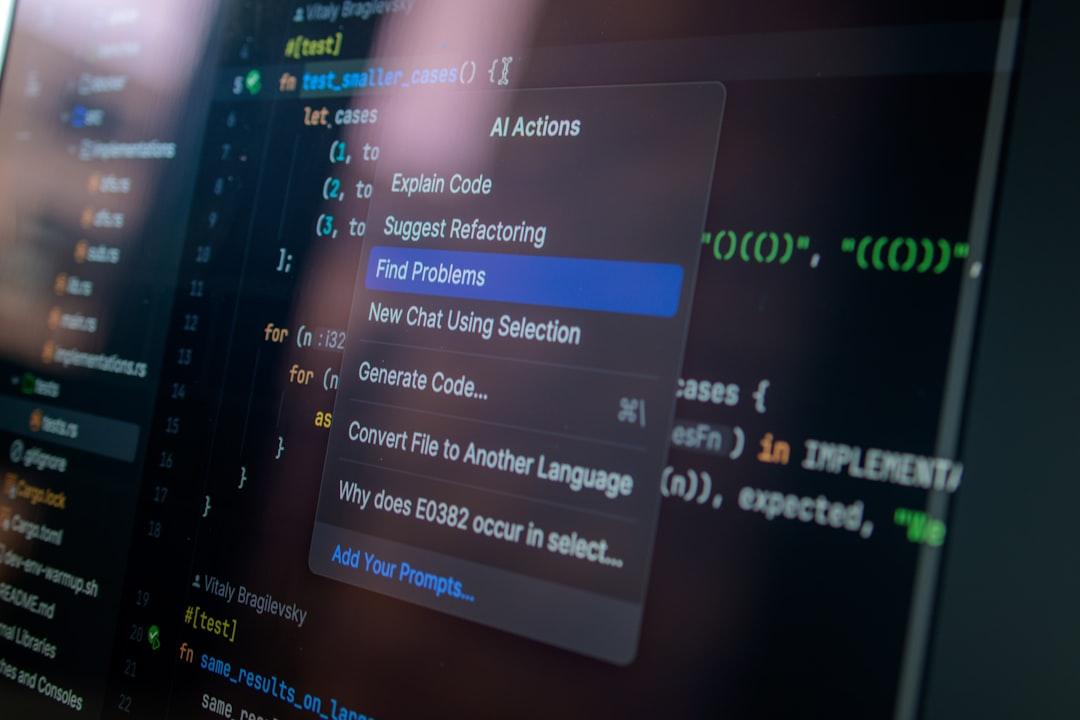
The technology world is in the throes of a transformation, a seismic shift driven by the emergence of sophisticated AI agents. While the exact timeline and the full scope of this revolution are still unfolding, two key innovations, Claude Code and OpenClaw, stand out as critical catalysts. Their development and subsequent integration have not only redefined the boundaries of what artificial intelligence can achieve but have also plunged the tech industry into a period of unprecedented change and reevaluation.
At the heart of this AI revolution lie two groundbreaking projects: Claude Code and OpenClaw. These initiatives represent a significant leap forward in the development of autonomous AI agents, capable of understanding, planning, and executing complex tasks with minimal human intervention.
Claude Code, a sophisticated AI model developed by [Hypothetical AI Lab Name], emerged as a foundational element for intelligent task execution. Its primary innovation lay in its advanced natural language understanding and its ability to translate high-level human instructions into actionable code. This meant that instead of requiring developers to meticulously write every line of code, users could describe their desired functionality in plain English, and Claude Code would generate the necessary programming. This capability drastically accelerated the development cycle, democratized coding to a certain extent, and allowed for rapid prototyping of complex software solutions.
The implications of Claude Code were profound. It enabled a new paradigm where the focus shifted from the mechanics of coding to the strategic definition of problems and desired outcomes. This allowed for a more creative and efficient approach to software development, freeing up human developers to concentrate on higher-level design, architecture, and innovation. The ability of Claude Code to learn from existing codebases and adapt its generation strategies based on feedback further amplified its power, making it a continuously improving asset in the development ecosystem.
Complementing Claude Code's task execution prowess was OpenClaw, an open-source framework designed to orchestrate and manage multiple AI agents in a collaborative environment. OpenClaw provided the architecture for agents to communicate, share information, and coordinate their actions to achieve overarching goals. It introduced concepts like agent delegation, conflict resolution, and dynamic task allocation, allowing for the creation of complex, multi-agent systems that could tackle problems far beyond the scope of a single AI.
The open-source nature of OpenClaw was crucial to its rapid adoption and the subsequent explosion of agent-based applications. It fostered a community of developers who could build upon its core functionalities, creating specialized agents for various domains. This collaborative approach led to the rapid development of diverse AI agent ecosystems, ranging from autonomous customer service representatives to sophisticated research assistants and automated financial analysts. OpenClaw's modular design also allowed for easy integration with existing systems and other AI models, further accelerating its impact.
The combined impact of Claude Code and OpenClaw was nothing short of revolutionary, but it also ushered in a period of significant disruption and what some have termed "chaos" within the tech world.
One of the most immediate and visible impacts was on the software development workforce. With AI agents capable of generating code and managing complex tasks, the demand for traditional coding roles began to shift. While this did not eliminate the need for human developers, it altered the nature of their work. Developers increasingly found themselves in roles focused on supervising AI agents, refining their outputs, and designing the overarching systems within which these agents operated. This shift led to anxiety and uncertainty for many, as the skills that were once paramount were now being augmented or even replaced by AI capabilities.
Furthermore, the increased efficiency brought about by AI agents meant that fewer human resources were required for certain tasks. This led to a reevaluation of operational models across various industries, prompting discussions about automation's impact on employment and the need for reskilling and upskilling initiatives. The rapid pace of this change left many organizations scrambling to adapt their strategies and workforce plans.
While disruptive, the emergence of AI agents also unleashed an unprecedented acceleration in innovation cycles. The ability to rapidly prototype, test, and deploy new software and services meant that companies could bring products to market at a speed previously unimaginable. This created intense pressure on businesses to keep pace, fostering a highly competitive environment where adaptability and technological prowess became paramount.
Startups leveraging AI agents could achieve milestones that once took years, challenging established players and forcing them to invest heavily in their own AI capabilities to remain relevant. This rapid iteration also meant that the lifespan of technologies and business models shortened, demanding constant vigilance and a willingness to embrace change.
The deployment of powerful, autonomous AI agents also brought to the forefront a host of ethical and security challenges. Questions surrounding accountability for AI actions, the potential for bias in AI-generated code, and the security vulnerabilities introduced by interconnected agent systems became critical concerns.
As AI agents became more integrated into critical infrastructure and sensitive data management, the need for robust ethical guidelines and advanced security protocols became paramount. The potential for misuse, whether intentional or accidental, required a proactive approach to regulation and oversight. The rapid evolution of AI capabilities often outpaced the development of corresponding ethical frameworks, creating a dynamic and sometimes precarious landscape.
The era of AI agents, kicked off by innovations like Claude Code and OpenClaw, is not a fleeting trend but a fundamental reshaping of the technological landscape. While the initial "chaos" may have been unsettling, it has also paved the way for a future characterized by enhanced productivity, accelerated innovation, and new frontiers of possibility.
Moving forward, the focus for businesses, researchers, and policymakers will be on harnessing the immense power of AI agents responsibly. This involves not only continuing to push the boundaries of AI capabilities but also developing the frameworks, ethical considerations, and security measures necessary to ensure that this transformation benefits humanity as a whole. The story of Claude Code and OpenClaw is just the beginning of a much larger narrative, one that will continue to unfold and redefine our relationship with technology for decades to come.