- The 2026 World Cup is the first to exclude both Brazil and Germany from the quarterfinal stage.
- This shift highlights increased parity and tactical sophistication among smaller football nations.
- Global talent distribution and data analytics are narrowing the gap between elite and emerging teams.
- The tournament format changes and increased competition have made traditional powerhouses more vulnerable.
A New World Order: Brazil and Germany Exit Before Quarterfinals
The 2026 FIFA World Cup has shattered historical precedents, leaving the final eight teams without two of football's most storied titans.
Jul 6, 2026·0 views
Key Takeaways
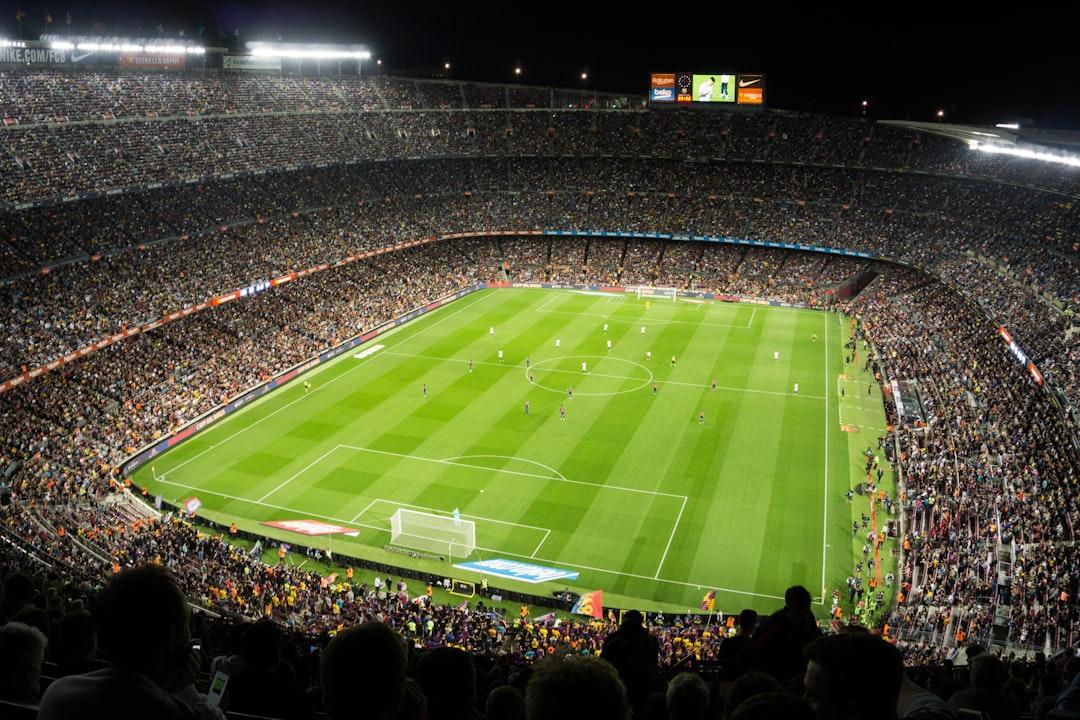
The 2026 FIFA World Cup will be remembered not just for its expanded format or its host nations, but for the seismic shift in the global football hierarchy. In a turn of events that has left pundits stunned and fans reeling, the tournament’s quarterfinal stage features neither Brazil nor Germany. This marks the first time in the nearly 100-year history of the competition that these two perennial powerhouses have been absent from the final eight simultaneously.
For decades, the FIFA World Cup has been defined by a sense of inevitability regarding these two nations. Brazil, the five-time champions, and Germany, the four-time winners, have long served as the benchmarks for excellence. Their absence from the business end of the 2026 tournament is more than just a statistical anomaly; it is a clear indicator that the gap between the sport’s traditional elite and the rest of the world has narrowed to a razor-thin margin.
To understand the gravity of this development, one must look at the historical data. Since the inaugural tournament in 1930, the presence of either a Brazilian or German side in the latter stages was considered a fixture of the sport. Their exit in 2026 signals a democratization of talent and tactical sophistication. Modern football scouting, improved youth academies in emerging nations, and the global distribution of elite coaching have collectively eroded the historical dominance of the European and South American giants.
This tournament has showcased a level of parity previously unseen on the world stage. Tactical discipline, once the exclusive domain of the top-tier nations, is now a hallmark of teams from every confederation. The ‘underdog’ narrative has been replaced by a reality where any well-organized side with a cohesive game plan can dismantle a footballing superpower.
Several key factors contributed to this historic shift in the 2026 landscape:
- Globalized Talent Pools: Players from non-traditional footballing nations are now gaining experience in the world’s top leagues, bringing back elite-level expertise to their national teams.
- Advanced Analytics: The integration of AI-driven scouting and performance data has allowed smaller federations to punch above their weight, identifying tactical weaknesses in historically dominant squads.
- Tournament Fatigue: With the expanded 48-team format, the physical and mental toll on squads has increased, leading to higher levels of volatility in knockout matches.
- Tactical Innovation: Defensive structures have become increasingly sophisticated, making it harder for star-studded rosters to break down organized low-block defenses.
As the tournament progresses toward the final, the absence of these two giants creates a vacuum that is being filled by rising teams eager to claim their first major trophy. This scenario injects a fresh energy into the competition, forcing audiences to reconsider their long-held biases about who 'deserves' to win. For international football, this is a positive development that fosters growth and interest in regions that were previously marginalized in the conversation of world-class success.
However, for the traditionalists, this is a period of mourning. The absence of the Brazilian flair and the German machine-like efficiency changes the aesthetic profile of the final rounds. Yet, the high-octane, unpredictable nature of the remaining matches suggests that the future of the game is in safe hands, even if the names on the trophy are destined to be new ones.
Whether this becomes the 'new normal' remains to be seen. Brazil and Germany will undoubtedly undergo soul-searching and restructuring in the coming years. Historically, these nations have proven resilient, often using failure as a catalyst for massive systemic reform. However, the 2026 World Cup has proven that the path to glory is no longer a paved road for the legends of the game. It is a grueling, unpredictable climb, and in this new era, every team is starting at the bottom of the mountain.
Enjoying this article?
Get the daily AI briefing sent straight to your inbox.
Frequently Asked Questions
Why is the 2026 World Cup historic for Brazil and Germany?
It is the first time in the history of the FIFA World Cup that neither Brazil nor Germany has reached the final eight (quarterfinals) in the same tournament.
What caused the early exit of top football nations in 2026?
Increased global parity, better access to elite training and analytics, and improved defensive tactics have allowed lower-ranked teams to compete more effectively against traditional powerhouses.
Comments
0Please sign in to leave a comment.
Related articles
Haaland vs. Pickford: England’s Tactical Dilemma in World Cup Quarter-Final
With a World Cup semi-final spot on the line, England’s defense faces the ultimate test against an unstoppable Erling Haaland.
AS Roma’s Youth Revolution: Building a Dynasty for the 2026 Era
AS Roma is undergoing a tactical and cultural shift, placing young talent at the heart of their quest for Champions League glory in 2026.
RC Strasbourg Target Thomas Frank in Major Managerial Overhaul
RC Strasbourg has identified Thomas Frank as their top candidate to lead the club following a disappointing run of form and a search for a new strategic direction.