- France defeated Spain 3-1 in the 2006 World Cup Round of 16 despite being labeled as an aging, declining team.
- The match highlighted the contrast between Spain's emerging talent and France's experienced, veteran-heavy squad.
- Zinedine Zidane and Patrick Vieira provided crucial late-game heroics to secure the comeback victory.
- The victory remains a significant case study on the value of tactical discipline and experience in tournament settings.
A Legacy of Experience: Revisiting France's 2006 World Cup Masterclass Over Spain
Before the golden generation of Spanish football took flight, Zinedine Zidane and Les Bleus delivered a tactical masterclass in Hanover to silence the critics.
Jul 13, 2026·0 views
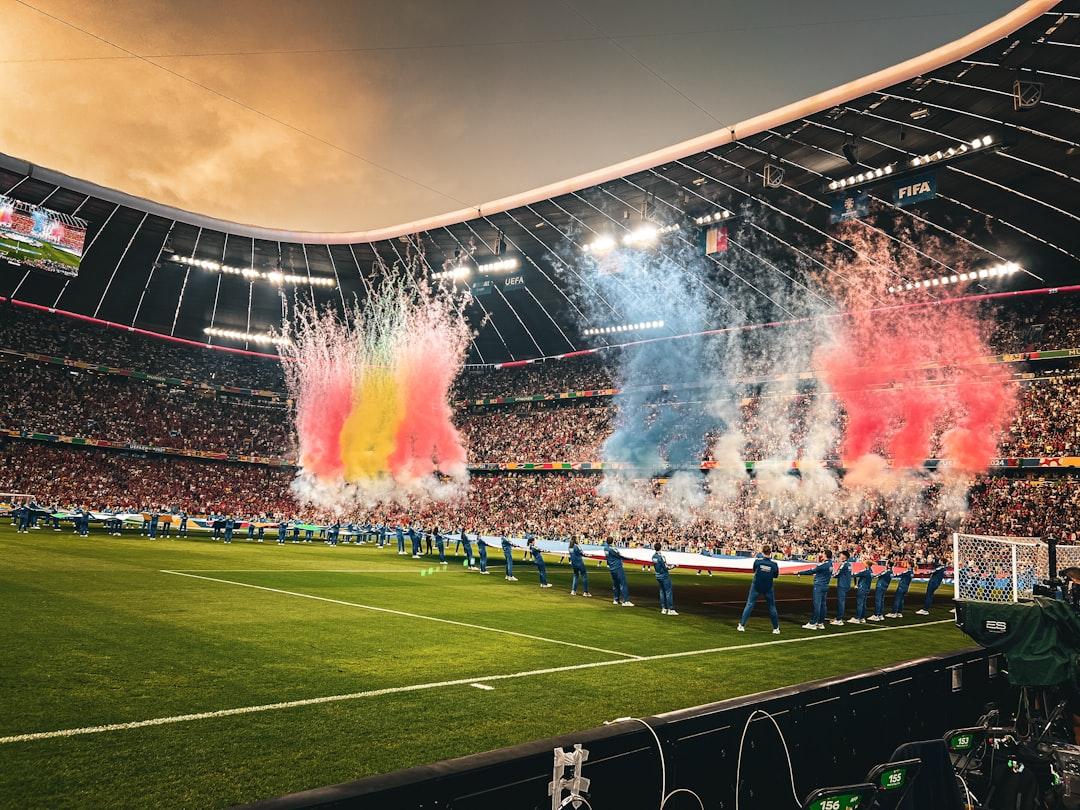
Key Takeaways
In the landscape of international football, few narratives are as compelling as the clash between the aging masters and the hungry, up-and-coming challengers. As we look back at the 2006 FIFA World Cup, the Round of 16 encounter between France and Spain stands as a definitive moment in football history. It was a match defined by the contrast between a French side written off by pundits as 'too old' and a Spanish squad brimming with the raw, untapped talent that would eventually dominate the globe.
Heading into the tournament in Germany, the French national team was widely viewed as a fading force. The core of the 1998 World Cup-winning side, including iconic figures like Zinedine Zidane, Lilian Thuram, and Claude Makélélé, was deep into their thirties. The international media was relentless, suggesting that the legs of these legends had finally given way.
Conversely, Spain entered the tournament with a sense of destiny. They were a team in transition, moving toward the tiki-taka philosophy that would later define their era. With players like Fernando Torres, Xavi, and David Villa, the Spanish side was seen as the 'next big thing'—a team ready to dismantle the old guard and claim their place at the top of the football pyramid.
When the two sides met at the AWD-Arena in Hanover, the script seemed to favor Spain early on. David Villa opened the scoring with a penalty in the 28th minute, putting France on the back foot. However, the experience of the French squad proved to be their greatest asset. Rather than succumbing to panic, Raymond Domenech’s men displayed a level of composure that only decades of elite competition can forge.
Franck Ribéry, the energetic newcomer of the French side, leveled the score just before halftime, breathing new life into a team that refused to bow out. The second half became a testament to tactical discipline. France successfully neutralized Spain’s midfield, with Makélélé acting as the ultimate disruptor, effectively stifling the creative channels of Xavi and Cesc Fàbregas.
The match reached its climax in the final minutes. With the score tied at 1-1, Patrick Vieira rose to the occasion, heading in a goal in the 83rd minute that effectively broke Spanish spirits. The final blow came in stoppage time when Zinedine Zidane—a man whose career was supposedly on its last legs—produced a moment of vintage brilliance. He danced past the Spanish defense, sliding the ball past Iker Casillas to seal a 3-1 victory.
This goal was more than just a scoreline change; it was a statement. Zidane, often criticized for his lack of fitness during the group stages, proved that genius is timeless. The match cemented the idea that while speed and youth are vital, the psychological fortitude and tactical intelligence of seasoned veterans remain the most dangerous weapons on the pitch.
For football historians, the 2006 France vs. Spain game serves as an important case study in tournament management. It highlights the fine line between 'too old' and 'experienced.' While Spain would go on to win the European Championship in 2008 and the World Cup in 2010, the 2006 match served as a harsh, necessary lesson in the realities of knockout football.
- The Power of Resilience: France’s ability to concede first and maintain their structure remains a blueprint for tournament success.
- Midfield Battles: The duel between the veteran Makélélé and the emerging Spanish midfield remains one of the most tactical masterclasses in World Cup history.
- The 'Aging' Myth: The match effectively debunked the notion that a team’s age is the sole predictor of their physical output, emphasizing instead the importance of game management and mental toughness.
As we look forward to future tournaments, the memory of that night in Hanover reminds us that football is rarely as simple as a youth movement versus an aging squad. It is about the intersection of timing, temperament, and the ability to perform when the world expects you to fail.
Enjoying this article?
Get the daily AI briefing sent straight to your inbox.
Frequently Asked Questions
What was the final score of the France vs Spain match in the 2006 World Cup?
France defeated Spain 3-1 in the Round of 16, with goals from Franck Ribéry, Patrick Vieira, and Zinedine Zidane.
Why was the 2006 French team considered 'too old'?
The French squad featured many players from their 1998 World Cup winning campaign who were in their mid-to-late thirties, leading pundits to question their physical fitness and speed.
Comments
0Please sign in to leave a comment.
Related articles
Alisson Becker Reflects on Brazil’s World Cup Heartbreak and Future Outlook
Alisson Becker shares a candid perspective on the disappointment of Brazil’s World Cup campaign and how he is processing the setback.
Harry Kane Believes England Can Elevate Performance Ahead of World Cup Bid
England captain Harry Kane insists that the national team has not yet peaked, suggesting a higher gear is possible as they prepare for the 2026 World Cup.
Celtic Eyeing Summer Move for Ivorian Midfielder Mory Gbane
Celtic are reportedly tracking Ivorian midfielder Mory Gbane, but face significant competition from clubs in the English Championship.