- The 2026 World Cup is driving a unique cultural crossover between football fans and MLB spectators.
- International fans are introducing European-style stadium chants and active support into American baseball games.
- MLB players like Michael Harris II are benefiting from a new 'folk hero' status created by these international fan traditions.
- The trend suggests a long-term shift toward more participatory and high-energy fandom in US professional sports.
A Cultural Collision: How the 2026 World Cup is Transforming MLB Stadiums
As the FIFA World Cup captures American attention, baseball stadiums are witnessing a vibrant fusion of international soccer culture and traditional American sports fandom.
Jul 11, 2026·0 views
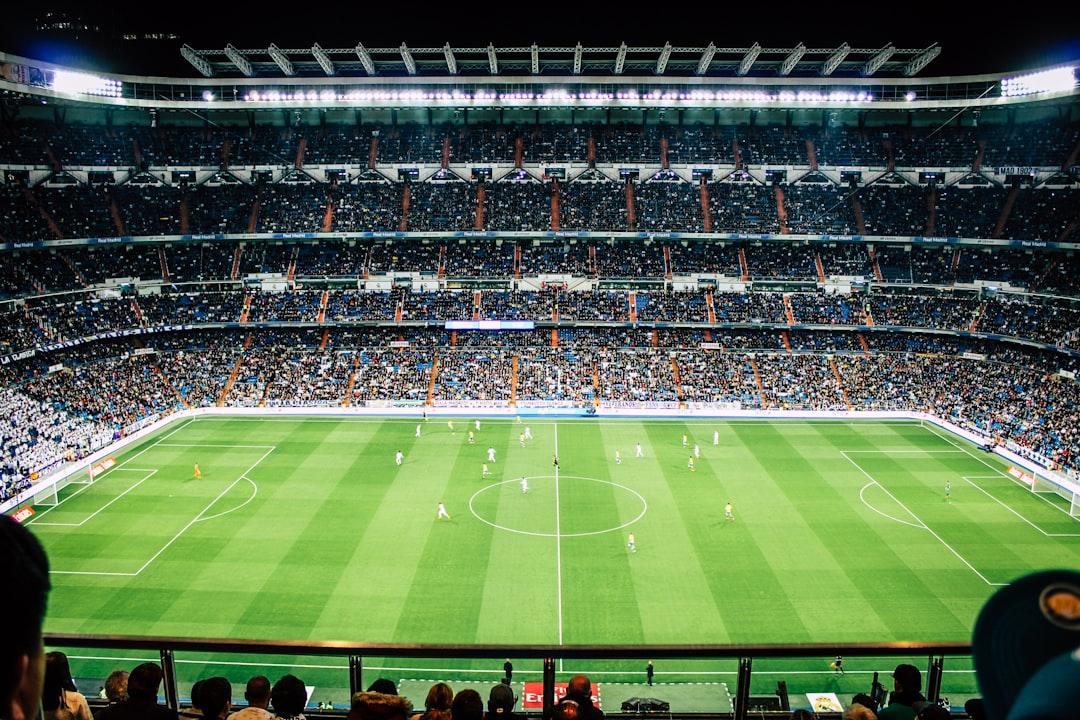
Key Takeaways
The summer of 2026 will be remembered as a watershed moment for American sports culture. As the FIFA World Cup grips the nation, a unique phenomenon has emerged: the migration of global football’s raucous, rhythmic atmosphere into the hallowed, traditionally sedate confines of Major League Baseball (MLB) stadiums. This crossover is not merely a scheduling quirk; it is a profound collision of fan cultures that is redefining how Americans experience live sports.
In cities across the United States, from the historic streets of Boston to the sweltering summer evenings in Atlanta, the air is thick with the sound of terrace chants. However, these songs are increasingly being directed at players who trade bats for gloves, not feet for balls. The energy brought to the country by international visitors has proven contagious, forcing a pivot in how domestic fans engage with their local teams.
Perhaps nowhere is this cultural shift more evident than in Atlanta. The story of Braves center-fielder Michael Harris II serves as the perfect case study. Harris, a talented 25-year-old outfielder, has long been a reliable asset for the Braves, yet he has historically occupied a quiet space in the national spotlight compared to global superstars like Shohei Ohtani or Aaron Judge.
That changed this month. As English football fans descended upon the city for World Cup fixtures, they brought with them the tradition of the 'folk hero'—the player who earns a dedicated song from the stands. During a recent game at Truist Park, the supporters, buoyed by the festive atmosphere of the World Cup, began serenading Harris with chants usually reserved for Premier League strikers. The result was electric. The local crowd, initially surprised, soon joined in, transforming a standard mid-season baseball game into a high-energy European-style sporting event.
The influx of international visitors has acted as a catalyst for this change. In Boston, fans from Scotland have been spotted weaving their traditional football anthems into the local baseball experience at Fenway Park. This integration of cultures highlights a growing trend: the 'Global Sports Fan.' This demographic is no longer content with the traditional hot-dog-and-stadium-organ experience; they are bringing their own traditions, including drums, flags, and persistent vocal support, to the American diamond.
This shift has forced MLB franchises to rethink their engagement strategies. While baseball has historically relied on the 'crack of the bat' and the rhythmic hum of the crowd, the new, high-volume environment is creating a more immersive, albeit louder, experience. Teams are beginning to recognize that this influx of soccer energy could be the key to engaging a younger, more diverse generation of fans who crave constant stimulation and participatory fandom.
Is this just a temporary fever dream brought on by the World Cup, or does it signal a permanent shift in how Americans support their teams? Industry analysts suggest that the 2026 World Cup is providing a masterclass in fan engagement. By witnessing the passion of international supporters firsthand, American fans are beginning to shed their traditional reserve.
- Increased Participation: Fans are moving away from passive spectating toward active participation through chants and organized support.
- Cultural Exchange: The blending of baseball traditions with international football culture is creating a unique, hybrid fan experience.
- Marketing Opportunities: Teams are finding new ways to market their players as 'folk heroes' by tapping into the communal power of stadium songs.
As the tournament progresses, the 'collision of cultures' continues to reshape the landscape of the national pastime. While baseball will always be rooted in the history of the diamond, the influence of the world’s most popular sport is undeniably leaving its mark. For players like Michael Harris II, the shift is a welcome one—a chance to experience the kind of legendary, song-led adoration that was once reserved for the world’s biggest soccer stars.
Enjoying this article?
Get the daily AI briefing sent straight to your inbox.
Frequently Asked Questions
How is the 2026 World Cup affecting MLB games?
The World Cup has introduced international football fan traditions, such as rhythmic chanting and vocal support, into American baseball stadiums, creating a more high-energy atmosphere.
Why are MLB players receiving soccer-style chants?
International visitors are applying their native sports traditions to local baseball players, turning them into 'folk heroes' and encouraging domestic fans to participate in the new, louder fan culture.
Comments
0Please sign in to leave a comment.
Related articles
Lamine Yamal: The Teen Prodigy Redefining Spain’s Tactical Future
Lamine Yamal continues to dazzle on the international stage, with legends like Wayne Rooney and Cesar Azpilicueta predicting even greater heights for the Spanish star.
Manchester City Join Race for Rising Star Elijah Upson Amid Elite Interest
Manchester City, Chelsea, and Everton are reportedly tracking the development of defensive prodigy Elijah Upson as clubs look to secure the next generation of talent.
Lamine Yamal Issues Bold Warning to France Ahead of World Cup Semifinal
Teenage phenom Lamine Yamal has fired a warning shot at France, claiming Spain is ready to dominate their upcoming World Cup semifinal showdown in Texas.