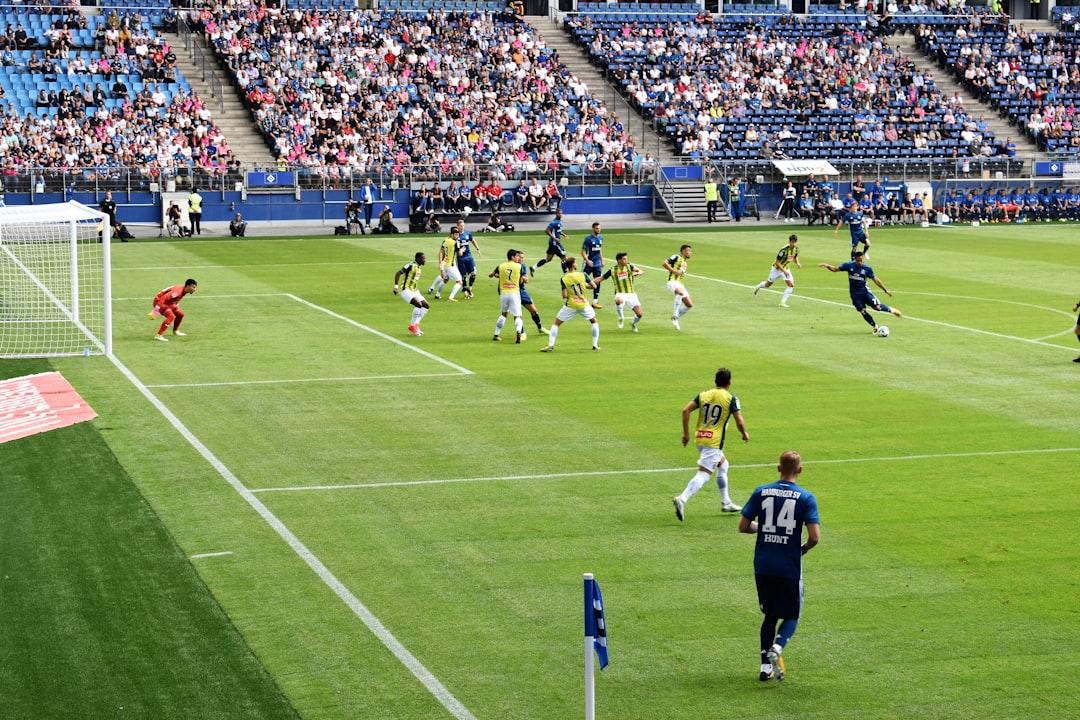
- The top four FIFA-ranked teams have all successfully reached the 2026 World Cup semifinals.
- Argentina and France rely on squad depth and tactical versatility to maintain their winning momentum.
- England has prioritized a disciplined, defensive-first approach to reach the final four.
- Spain has successfully modernized their possession-based style to become a more direct attacking threat.
2026 World Cup Semifinal Preview: The Global Powerhouses Clash
As Argentina, England, France, and Spain reach the final four, we analyze the tactical evolution and star power defining this historic tournament.
Jul 13, 2026·0 views
Key Takeaways
The 2026 FIFA World Cup has proven to be a testament to consistency. As we approach the final stages of the competition, the leaderboard reflects the established hierarchy of international football. Argentina, England, France, and Spain—the top four ranked nations in the world—have navigated the grueling knockout stages to secure their spots in the semifinals. This alignment of ranking and performance is a rarity in the modern game, signaling a tournament defined by tactical discipline, squad depth, and the resilience of traditional footballing powerhouses.
Argentina continues to operate with a blend of tactical flexibility and emotional intensity that has become their hallmark under the current coaching regime. Throughout this tournament, the Albiceleste have showcased an ability to adapt mid-match, shifting from high-pressing dominance to a more measured, defensive structure when required.
Key takeaways from their journey to the final four include:
- Midfield Control: The engine room has been instrumental in dictating the tempo of matches, regardless of the opponent.
- Defensive Solidity: Despite a few high-scoring encounters, the defensive line has tightened significantly as the stakes have risen.
- Individual Brilliance: The team’s ability to rely on individual moments of genius remains a primary weapon in their arsenal.
England enters the semifinals with a reputation for pragmatism. Often criticized for a cautious approach, the Three Lions have nonetheless proven themselves to be the most difficult team to break down. Their path has been defined by clean sheets and clinical finishes, highlighting a squad that prioritizes structural integrity over expansive flair. By minimizing unforced errors, England has managed to neutralize high-octane attacking threats, making them the most disciplined defensive unit remaining in the tournament.
France remains a formidable force, largely due to an embarrassment of riches in their player pool. Even when key starters have been rotated or sidelined, the quality of the substitutes has ensured that Les Bleus never lose their competitive edge. Their tactical versatility allows them to switch between counter-attacking styles and possession-based play with ease. The French squad’s experience on the global stage has been a decisive factor, as they have consistently managed the pressure of elimination football better than any other side.
Spain has revitalized their identity, blending their traditional possession-based philosophy with a newfound verticality. By moving the ball with purpose and integrating younger, more aggressive wingers, Spain has become a nightmare for teams that prefer to sit deep. Their semifinal appearance confirms that their youth-led transition period is officially complete. They are no longer just keeping the ball for the sake of it; they are keeping the ball to create high-percentage scoring opportunities.
As these four titans prepare to face off, the margins for error have vanished. The semifinals will likely be decided by three primary factors:
- Set-Piece Execution: In tight games between evenly matched sides, dead-ball situations often provide the breakthrough.
- Squad Depth: The toll of the 2026 tournament format has been heavy. The teams with the freshest legs and the most effective bench options will hold a distinct advantage in the final 20 minutes of play.
- Psychological Resilience: With the world watching, the ability to remain composed under the weight of national expectation cannot be overstated.
As the tournament reaches its crescendo, the footballing world is set for a historic conclusion. Whether it is the tactical pragmatism of England or the fluid creativity of Spain, the remaining matches promise to be a masterclass in the evolution of the beautiful game.
Enjoying this article?
Get the daily AI briefing sent straight to your inbox.
Frequently Asked Questions
Which teams are in the 2026 World Cup semifinals?
The four teams that have reached the semifinals are Argentina, England, France, and Spain.
What has defined the 2026 World Cup tournament so far?
The tournament has been defined by the dominance of the top-ranked teams and a focus on tactical discipline, squad depth, and defensive resilience.
Comments
0Please sign in to leave a comment.
Related articles
Guernsey FC's Resilient Comeback Extends Winning Streak
Guernsey FC demonstrated impressive resilience, battling back from an early deficit to secure a vital 2-1 victory against Little Common. Manager Tony Vance lauded his side's 'character' as they continued their strong run of form, highlighting the mental fortitude crucial for their season's ambitions.
Champions Cup Opening Round: English Rugby Clubs Face Stinging Defeat, One Lone Success
The opening round of the Champions Cup delivered a stark wake-up call for English rugby, as a staggering seven out of eight Premiership entrants failed to secure a win. This analysis delves into the factors behind the widespread struggle and what it means for the tournament ahead.
Sevilla Boss Lashes Out at Officiating Following 4-1 Real Madrid Defeat
Sevilla manager Luis Garcia Plaza has publicly condemned the officiating in his side’s 4-1 loss to Real Madrid, claiming the referee robbed his team of a fair result.