- The 2026 FIFA World Cup has been a commercial and sporting success with thrilling matches and expanded participation.
- A series of controversial refereeing decisions and concerns about VAR inconsistency have led to widespread accusations of undermining sporting integrity.
- Allegations of external pressures on officiating have surfaced, creating a significant crisis of trust for FIFA.
- FIFA faces the challenge of addressing these controversies to maintain the tournament's legacy and the credibility of the sport.
2026 World Cup: On-Field Brilliance Marred by Off-Field Controversy
The 2026 FIFA World Cup has captivated audiences with thrilling matches, but lingering concerns over sporting integrity threaten to overshadow its success.
Jul 8, 2026·0 views
Key Takeaways
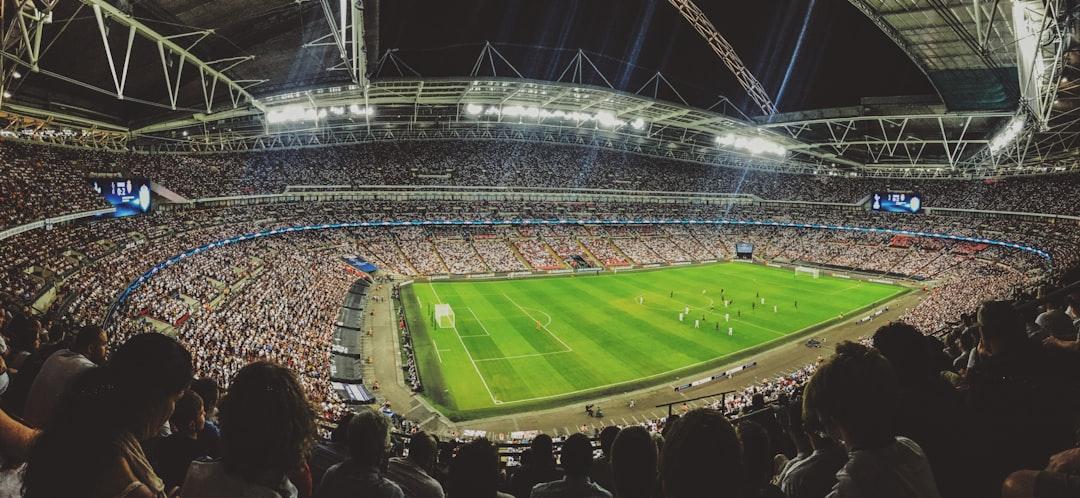
The 2026 FIFA World Cup has, in many respects, been a resounding success. The expanded format, bringing together 48 nations across North America, has undeniably delivered a feast of football. From underdog stories to nail-biting knockout ties, the on-field action has consistently met and often exceeded expectations, thrilling fans and generating significant global interest. However, beneath the surface of this box-office triumph, a growing storm of controversy is brewing, casting a long shadow over the tournament's integrity and leaving FIFA facing a monumental challenge.
The narrative of the 2026 World Cup has been one of exhilarating competition. New heroes have emerged, established stars have shone, and the expanded reach of the tournament has fostered a sense of global unity and shared passion. The sheer volume of matches, while demanding, has provided a constant stream of drama, ensuring that football fans have had little respite from the excitement. Yet, this on-pitch brilliance has been increasingly punctuated by moments that have sparked outrage and raised fundamental questions about the fairness of the officiating and the decision-making processes at the highest levels of the sport.
Central to the growing discontent are a series of controversial refereeing decisions that have impacted crucial matches. These moments, often occurring in high-stakes games where the outcome can define a nation's tournament hopes, have led to accusations of bias, incompetence, and even a deliberate undermining of sporting integrity. While refereeing is an inherently challenging aspect of football, the frequency and significance of these questionable calls in the 2026 World Cup have pushed the boundaries of acceptable error.
Fans, pundits, and even some players have voiced their frustration, with social media platforms abuzz with debates and analysis of contentious incidents. The use of VAR (Video Assistant Referee), intended to enhance accuracy, has itself become a focal point of criticism. In some instances, VAR interventions have been perceived as inconsistent or overly intrusive, leading to further confusion and anger. The subjective nature of certain interpretations, coupled with what some perceive as a lack of transparency in the decision-making process, has fueled a growing sense of distrust.
The intensity of the debate has escalated beyond mere fan complaints. Reports and whispers of external pressures and influences on officiating have begun to surface, adding a sinister dimension to the controversy. While definitive proof remains elusive, the sheer volume of incidents has prompted serious discussions about whether the spirit of fair play is truly being upheld. These allegations, if substantiated, would represent a grave crisis for FIFA and the sport of football as a whole.
FIFA, the global governing body for football, finds itself in a precarious position. On one hand, the tournament has been a commercial success, showcasing the sport's global appeal and its ability to generate immense revenue. The expanded format has broadened its reach, and the fan engagement has been phenomenal. However, the mounting accusations and the palpable sense of injustice felt by many threaten to tarnish this success irrevocably. A World Cup plagued by questions of fairness risks losing its credibility and its standing as the pinnacle of global sport.
Addressing these concerns requires more than just perfunctory statements from FIFA. The organization needs to demonstrate a genuine commitment to transparency, accountability, and the upholding of sporting integrity. This could involve:
- Independent Review: Establishing an independent body to review controversial decisions and the officiating process throughout the tournament.
- Enhanced Training and Standards: Investing in more rigorous training and continuous professional development for referees, with a focus on consistency and decision-making under pressure.
- Improved VAR Protocols: Refining VAR protocols to ensure greater clarity, consistency, and public understanding of its application.
- Open Communication: Fostering more open and transparent communication with stakeholders, including players, coaches, and the media, regarding officiating standards and decisions.
The 2026 FIFA World Cup has the potential to be remembered as a landmark event, celebrating the sport's global reach and its ability to unite nations. However, if the current controversies are not addressed with the seriousness and transparency they deserve, its legacy could be irrevocably damaged. The beautiful game, at its highest level, must be played on a level playing field, and FIFA has a profound responsibility to ensure that this remains the case, not just for this tournament, but for the future of football itself.
The coming weeks will be crucial for FIFA as it navigates this complex situation. The organization's response will undoubtedly shape its reputation and the trust placed in it by millions of fans worldwide.
Enjoying this article?
Get the daily AI briefing sent straight to your inbox.
Frequently Asked Questions
What are the main criticisms surrounding the 2026 World Cup?
The primary criticisms revolve around a series of controversial refereeing decisions and perceived inconsistencies in the application of VAR, leading to accusations that sporting integrity has been compromised.
How has FIFA responded to the controversies?
While specific official responses are ongoing, the article suggests that FIFA needs to demonstrate a commitment to transparency, accountability, and improvement in officiating standards and VAR protocols to address the growing concerns.
What is the potential impact of these controversies on the World Cup's legacy?
If not addressed effectively, these controversies risk tarnishing the legacy of the 2026 World Cup, potentially damaging the credibility of FIFA and the sport of football globally.
Comments
0Please sign in to leave a comment.
Related articles
Athletic Club Crisis: Gorka Guruzeta Out for Season With ACL Injury
Athletic Club confirms Gorka Guruzeta will miss the remainder of the season after suffering a season-ending cruciate ligament injury against Valencia CF.
Napoli Star Alisson Santos Faces Another Injury Setback After Return
Napoli’s momentum hits a snag as Alisson Santos suffers a fresh injury blow immediately following his return to the pitch.
Kamari Doyle Urges Leicester City to Build Momentum After Doncaster Victory
Leicester City midfielder Kamari Doyle believes the club's recent triumph over Doncaster is the catalyst needed to spark a consistent winning streak.